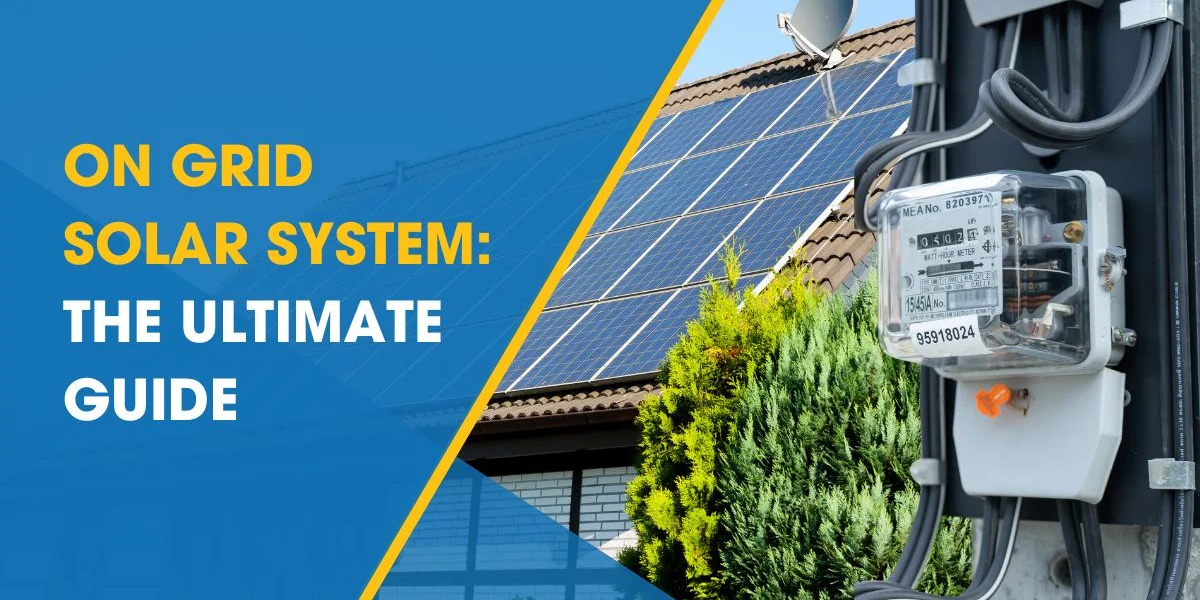
As energy costs rise and sustainability becomes more critical, thousands of Pakistani homeowners and businesses are turning to solar solutions. Among the various options available, the On-Grid Solar System stands out as the most efficient and cost-effective way to save energy and reduce electricity bills. In this guide, we’ll walk you through how these systems work, their advantages, ideal sizing, and what you need to know before making the switch.
☀️ What is an On-Grid Solar System?
An On-Grid Solar System—also known as a grid-tied solar setup—generates electricity using solar panels and connects directly to the utility grid. During daylight hours, your system powers your home or business and feeds any extra electricity back into the grid through net metering, allowing you to earn energy credits.
⚙️ Key Components of an On-Grid System
Solar Panels – Convert sunlight into DC electricity
Grid-Tie Inverter – Converts DC into AC electricity for home use and synchronizes with the WAPDA grid
Net Meter – Records power consumed from and exported to the grid
Go Solar, Stay Connected: The Ultimate Guide to On-Grid Solar Systems in 2025 Safety Equipment – Includes breakers, earthing, surge protection, and cabling infrastructure
? Why Choose an On-Grid Solar System?
✅ Lower Your Electricity Bills
Your solar panels generate free electricity, reducing or even eliminating your monthly bills.
✅ Net Metering Benefits
Feed surplus electricity into the grid and receive credits or reductions on your bill through NEPRA-approved policies.
✅ Affordable Setup
No need for expensive batteries, making on-grid systems more budget-friendly.
✅ Faster ROI
On average, homeowners in Pakistan recover their investment in 3–4 years.
✅ Environmentally Friendly
Reduce your carbon footprint and contribute to a cleaner, greener Pakistan.
? Ideal System Sizes & Estimated Savings
| User Type | System Size | Estimated Monthly Savings |
|---|---|---|
| Small Home | 3kW | PKR 15,000 – 20,000 |
| Medium Home | 5kW | PKR 25,000 – 35,000 |
| Large Home | 10kW | PKR 50,000 – 65,000 |
| Commercial/Office | 20kW+ | PKR 100,000+ |
?? Why On-Grid Systems Work Best in Pakistan
Abundant Sunlight: Over 300 sunny days annually make Pakistan ideal for solar
Soaring Utility Rates: WAPDA unit prices are increasing yearly
Government Support: Net metering policies by NEPRA/AEDB encourage solar adoption
No More Load Shedding: Get consistent electricity without relying on generators
? Cost Breakdown (2025 Estimates)
Per kW Price: PKR 140,000 – 160,000 (depends on brands and inverter type)
Example: 5kW system = approx. PKR 700,000 – 800,000
Installation Time: 3–5 days on average
Net Metering Process: Takes 3–6 weeks for approval and activation
?️ What to Look for in a Solar Installer
Choosing the right solar provider is critical to performance and long-term success. Make sure they offer:
✔️ Tier-1 Panels (like LONGi, Jinko, Canadian Solar)
✔️ Certified Inverters (such as Huawei, Growatt, SMA)
✔️ Net Metering Authorization from AEDB
✔️ Full System Warranty (10–25 years on panels, 5–10 years on inverters)
✔️ After-Sales Support for maintenance and upgrades
✔️ Proper System Design with safety, surge protection, and grounding
? Final Thoughts
An On-Grid Solar System is your best path to energy independence, lower bills, and environmental responsibility. With easy integration into Pakistan’s power grid, net metering benefits, and long-term cost savings, this solution is ideal for homes and businesses alike. Make the smart switch today and let the sun power your tomorrow.

gia gioki
63 posts
-
 What's The Current Job Market For Smart Robot Professionals Like?
Robotic Vacuum Cleaner On Sale vacuum cleaners (47.105.231.218) Smart Robot Vacuum Sale (http://www.tengenstudio.com/)
-
 Case Studies: Successful ERP Transformations with Offshore Odoo Consulting Teams
In this article, we delve into several compelling case studies showcasing successful ERP transformations powered by offshore Odoo consulting teams. These real-world examples highlight how partnering with the right odoo consulting company can drive digital transformation, optimize business
-
 Custom Odoo Modules: When to Build and When to Buy
In this article, we'll explore when it's more beneficial to build a custom Odoo module and when buying makes more sense. We'll also discuss how odoo erp customization services can help businesses make the right decision and ensure a successful implementation.
-
 Why Content Is Important for SEO
Why Content Is Important for SEO - Why Content Is Important for SEO
-
 Tips & Techniques For SEO Content Writing
Tips & Techniques For SEO Content Writing
-
 Reasons Why an SEO Writer is So Important Today
Reasons Why an SEO Writer is So Important Today


