Global Smartphone Market Set to Hit USD 932.61 Billion by 2033, Driven by 5G, AI, and Rising Consumer Demand


According to the latest report from Renub Research, the global smartphone market is projected to reach USD 932.61 billion by 2033, growing at a CAGR of 6.24% from USD 540.94 billion in 2024. This impressive trajectory is being driven by multiple factors including technological innovation, 5G rollout, increasing internet penetration, and rising disposable incomes, especially in emerging economies.
Smartphones have transformed from basic communication devices to versatile tech hubs, integrating everything from AI-powered cameras to augmented reality, health tracking, and mobile payments. As tech giants and emerging players alike race to integrate next-gen features, global demand is expected to soar over the forecast period.
The expansion of 5G infrastructure is redefining mobile connectivity, enabling faster data transfer, lower latency, and higher bandwidth. The adoption of 5G-capable smartphones is increasing rapidly, especially in markets like the United States, China, South Korea, and several parts of Europe and the Middle East.
Modern smartphones now offer professional-grade cameras, AI-based personalization, high-refresh-rate displays, extended battery life, and immersive audio-visual experiences. This has elevated smartphone utility across photography, gaming, productivity, entertainment, and more.
Countries such as India, Indonesia, Nigeria, and Brazil are witnessing a boom in mobile internet usage, largely due to declining data costs, government initiatives, and digital literacy programs. The affordability of smartphones from brands like Xiaomi, Realme, and Tecno is supporting this shift.
With rising per capita income, especially across Asia-Pacific, Latin America, and Africa, more consumers are able to afford mid to high-end smartphones. This has increased the overall Average Selling Price (ASP) of smartphones globally.
AI is playing a major role in smartphone functionality, enhancing voice assistants, facial recognition, photography, and predictive text. AI-enabled chips by Qualcomm and MediaTek are helping brands deliver smarter and faster experiences to consumers.
Android continues to dominate due to its affordability and device variety.
iOS retains a stronghold in premium markets, particularly in North America and parts of Europe.
Premium Segment (>USD 700): Dominated by Apple, Samsung, and Google Pixel.
Mid-Range (USD 300–700): Fastest-growing due to value-for-money offerings.
Budget Segment (<USD 300): Key to expansion in Asia-Pacific and Africa.
Online retail has grown due to the convenience, frequent offers, and wider selection.
Offline retail remains vital in regions where consumers prefer hands-on experience.
Asia-Pacific holds the largest market share due to population density, tech adoption, and local manufacturing.
North America and Europe are mature markets with high ASPs.
Middle East & Africa and Latin America are emerging as high-potential regions.
Several companies are spearheading innovation and market share acquisition:
Apple Inc.
Samsung Electronics
Xiaomi Corporation
Huawei Technologies
Oppo Mobile
Vivo Communication
Realme
Google (Pixel)
Motorola Mobility (Lenovo)
These brands are investing heavily in AI, display tech, camera innovation, and 5G while customizing models to local market preferences.
Devices like the Samsung Galaxy Z Fold and Motorola Razr represent the next era of form factor innovation. The foldable segment is expected to grow exponentially by 2030.
Eco-conscious consumers are demanding sustainable manufacturing, recyclable materials, and longer product lifecycles. Companies are introducing modular designs and eco-friendly packaging.
The adoption of eSIMs and emergency satellite communication in premium devices is another disruptive trend, ensuring global connectivity even in remote areas.
With growing awareness around data security, OEMs are integrating on-device AI, secure enclaves, and biometric authentication.
While growth is promising, the industry faces challenges:
Global chipset shortages may disrupt supply chains.
E-waste and sustainability concerns are increasing regulatory pressure.
Market saturation in developed economies limits volume growth.
Geopolitical tensions can impact trade, especially in China-US technology exchanges.
R&D spending by major OEMs is at an all-time high. Apple, for instance, spent over $30 billion on R&D in FY2024, focusing on AR/VR, custom chipsets, and battery tech. Similarly, Chinese OEMs are ramping up local innovation and global expansion strategies.
With 5G expansion, AI integration, and emerging market adoption, the smartphone market will remain one of the most dynamic technology sectors through 2033. Innovation in design, sustainability, and performance will continue to drive replacement cycles and new customer acquisition.
To explore the complete report, methodology, and in-depth data, visit:
? Smartphone Market Report – Renub Research
1. What is the current size of the global smartphone market?
As of 2024, the global smartphone market size is USD 540.94 billion, according to Renub Research.
2. What is the projected market size by 2033?
The smartphone market is expected to reach USD 932.61 billion by 2033.
3. What is the growth rate of the smartphone industry?
The market is projected to grow at a CAGR of 6.24% from 2025 to 2033.
4. Which region dominates the smartphone market?
Asia-Pacific holds the largest share, driven by countries like China, India, and South Korea.
5. Who are the leading smartphone manufacturers?
Top players include Apple, Samsung, Xiaomi, Huawei, Oppo, Vivo, and Realme.
6. What role does 5G play in market growth?
5G is a key enabler, offering faster speeds and better connectivity, which boosts demand for compatible smartphones.
7. What are the emerging trends in smartphones?
Key trends include foldable devices, sustainable manufacturing, AI integration, and satellite connectivity.
8. What segments are growing the fastest?
The mid-range (USD 300–700) and foldable phone segments are witnessing rapid growth.
9. How are smartphones sold globally?
Smartphones are sold via offline stores, online marketplaces, and direct-to-consumer websites.
10. What are the challenges for smartphone makers?
Challenges include chip shortages, environmental regulations, geopolitical issues, and slowing growth in mature markets.
New Publish Report:
Renub Research is a Market Research and Consulting Company with more than 15 years of experience, especially in international Business-to-Business Research, Surveys, and Consulting. We provide a wide range of business research solutions that help companies make better business decisions.
We partner with clients across all sectors and regions to identify their highest-value opportunities, address their most critical challenges, and transform their businesses. Our wide clientele includes key players in Healthcare, Travel & Tourism, Food & Beverages, Power & Energy, Information Technology, Telecom & Internet, Chemicals, Logistics & Automotive, Consumer Goods & Retail, Building & Construction, and Agriculture.
Our core team comprises experienced professionals with graduate, postgraduate, and Ph.D. qualifications in Finance, Marketing, Human Resources, Bio-Technology, Medicine, Information Technology, Environmental Science, and more.
Company Name: Renub Research
Contact Person: Rajat Gupta, Marketing Manager
Phone No: +91-120-421-9822 (IND) | +1-478-202-3244 (USA)
Email: [email protected]
For detailed insights and custom analysis, visit the report page now:
? Global Smartphone Market Report – Renub Research
renub research
3Blog posts
-
 Nhà riêng, nhà phố TP HCM giảm giá vì khó bán
Phân khúc nhà riêng, nhà phố tại TP HCM ghi nhận xu hướng giảm giá bán trong bối cảnh thanh khoản thị trường suy yếu, người mua thận trọng.
-
 Tài khoản ngân hàng hơn 3 năm không giao dịch có thể bị đóng
Ngân hàng có thể chủ động đóng tài khoản rác và tài khoản không giao dịch 3 năm trở lên để hạn chế rủi ro gian lận, lừa đảo.
-
 CEO Nvidia nỗ lực tăng sức hút tại Hàn Quốc
Bữa tối với bia và gà rán năm 2025 cùng Chủ tịch Samsung, Hyundai giúp Jensen Huang biết làm thế nào để thu hút sự chú ý tại Hàn Quốc.
-
 Chính quyền ông Trump đề xuất áp thuế bổ sung với 60 nền kinh tế
Văn phòng Đại diện Thương mại Mỹ đề xuất áp thuế bổ sung đến 12,5% hàng nhập từ 60 nền kinh tế, vì hành vi thương mại không công bằng.
-
 Chứng khoán dứt chuỗi giảm điểm
Sau 7 phiên đi xuống liên tiếp, VN-Index tăng 12,5 điểm nhưng rơi vào tình trạng xanh vỏ, đỏ lòng khi số lượng cổ phiếu giảm chiếm phần nhiều hơn.
-
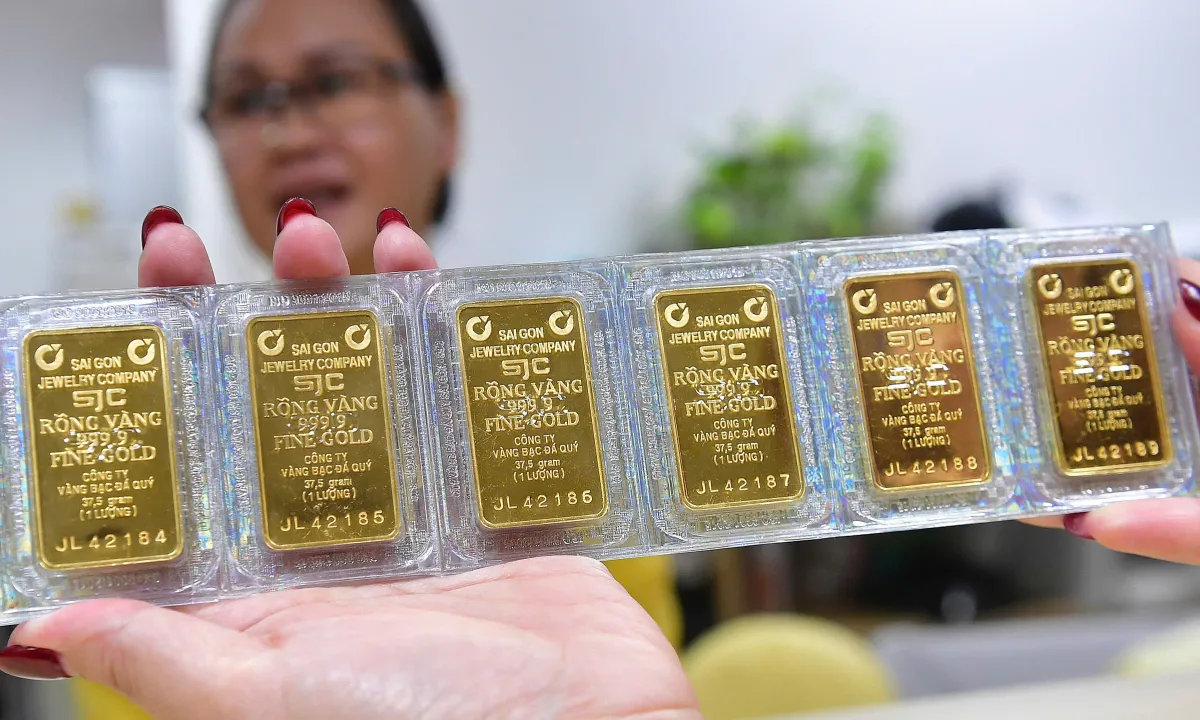 Bộ Tài chính: Chưa đủ căn cứ áp thuế thu nhập với mua bán vàng miếng
Bộ Tài chính cho biết chưa đủ căn cứ áp thuế thu nhập cá nhân với mua bán vàng miếng, vì cần chờ cấp có thẩm quyền thông qua đề án lập sàn giao dịch vàng.
-
 Giá vàng miếng xuống thấp nhất từ đầu năm
Các thương hiệu bán ra vàng miếng quanh mức 156,5 triệu đồng một lượng, thấp nhất từ kể từ đầu năm.
-
 Thủ tướng: Sớm đưa các dự án năng lượng trọng điểm vào hoạt động
Thủ tướng Lê Minh Hưng yêu cầu Bộ Công Thương sớm đưa các dự án năng lượng trọng điểm vào hoạt động, trong bối cảnh thời tiết diễn biến bất thường, nhu cầu điện tăng.
-
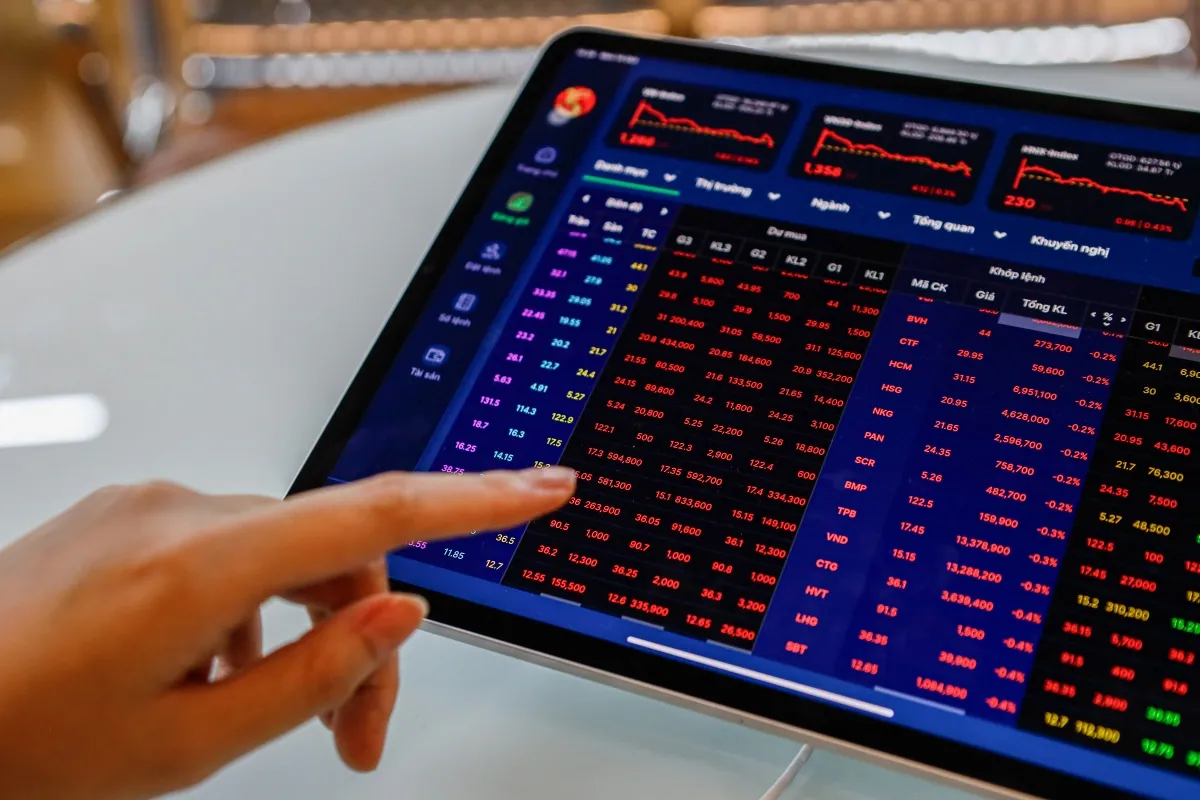 VN-Index chưa cắt chuỗi giảm sâu
VN-Index giảm liên tục 7 phiên và có lúc thủng mốc 1.800 điểm do áp lực xả hàng tập trung vào một số cổ phiếu trụ.
-
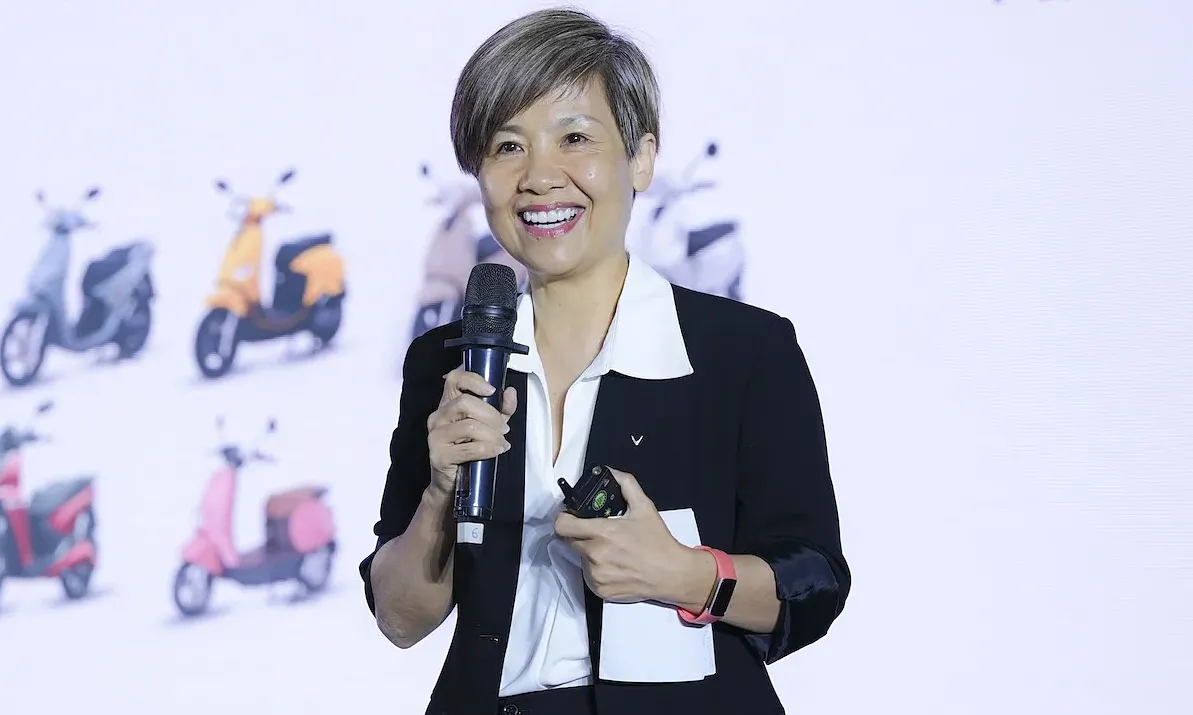 Công ty sở hữu mảng sản xuất của VinFast có Chủ tịch mới
Bà Thái Thị Thanh Hải được bầu làm Chủ tịch của VFTP, doanh nghiệp sở hữu mảng sản xuất cùng hai nhà máy của VinFast tại Việt Nam.
-
 Có nên bán vàng để dành mua nhà khi giá giảm mạnh?
Theo chuyên gia, vàng là tài sản phòng vệ nhưng không tuyệt đối, nên có thể bán bớt một phần để tránh ảnh hưởng kế hoạch mua nhà năm sau.


