
This article dives into the evolution, types, and impact of printing across various fields, and highlights how it continues to shape our world.
The origins of printing trace back to ancient civilizations, where woodblock printing was commonly used. In China, as early as the 7th century, intricate designs and texts were imprinted onto paper. This method, while effective, was labor-intensive and paved the way for more efficient processes.
In the 15th century, Johannes Gutenberg invented the printing press, which changed the course of history. By introducing movable type, Gutenberg’s press made it possible to produce multiple copies quickly, leading to the spread of books, knowledge, and ideas across Europe.
Offset printing, which uses metal plates to transfer ink onto paper, has been a staple in commercial printing. It’s commonly used for newspapers, magazines, and large-scale print projects due to its high quality and cost efficiency.
Digital printing is a more recent development that uses digital files instead of physical plates. This technique has opened up new possibilities, making short-run and on-demand printing more affordable and accessible for businesses and individuals.
In the field of education, printing plays a crucial role. Textbooks, research papers, and academic journals are widely printed, providing students and researchers with easy access to reliable resources.
Businesses rely on printing for creating brochures, business cards, and promotional materials. High-quality prints convey professionalism and help businesses build their brand presence.
With environmental concerns rising, the printing industry is adapting to eco-friendly practices. Innovations like soy-based inks, recycled paper, and waterless printing are examples of how the industry is reducing its ecological footprint.
One of the most exciting developments in recent years is 3D printing. Unlike traditional printing, which produces flat images on paper, 3D printing creates tangible objects layer by layer. This technology is being used in industries like medicine, construction, and manufacturing.
Printing has come a long way from ancient woodblock methods to advanced 3D printing. As technology continues to evolve, printing remains an essential tool for education, business, and beyond. With continued innovation, the impact of printing will only expand, making it a field full of exciting possibilities for the future.

Mike Boss
24 posts
-
 Green Engineering and Health Optimization at Whiteland The Aspen
To address this, Whiteland Corporation integrated specialized CTMA3 Air Purification technology into the core building systems. This central air infrastructure works continuously to treat, filter, and circulate air throughout enclosed common areas, double-height entrance lobbies, and tower
-
 Mastering the Asset: Technical Infrastructure, Micro-Market Value, and Structural Layouts at DLF Park Place
This deep dive focuses on the granular technical infrastructure, exact structural layouts, and macro-economic factors that explain why this specific project maintains a massive edge over its competition in 2026.
-
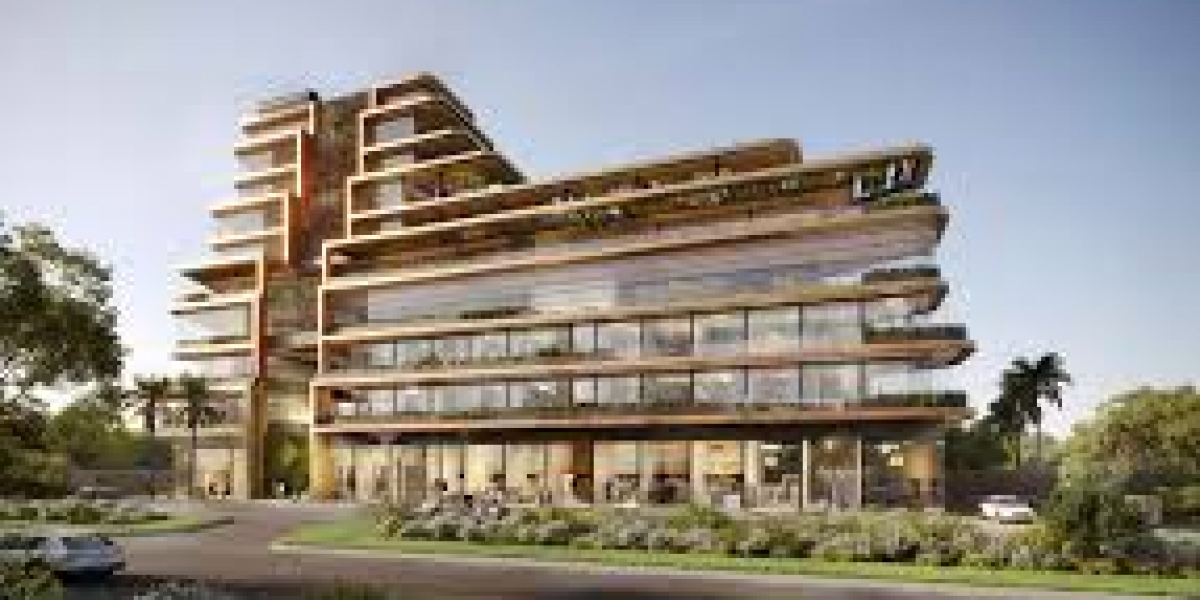 Brand Identity and Tenant Experience: Cultivating Loyalty at Elan Empire Gurgaon
Securing high occupancy in a premium high-street asset is only half the battle. For long-term viability, property management and individual investors must shift their focus to building tenant loyalty and creating a distinctive brand identity.
-
 Master Review: Evaluating Godrej Nature Plus, Sector 33, Gurgaon
The layout uses a smart structural pattern where towers are angled away from each other. This creates a staggered footprint that gives corner apartments clear, unblocked views of the Aravalli foothills while ensuring optimal morning and afternoon sunlight. Inside the towers, the floor plan
-
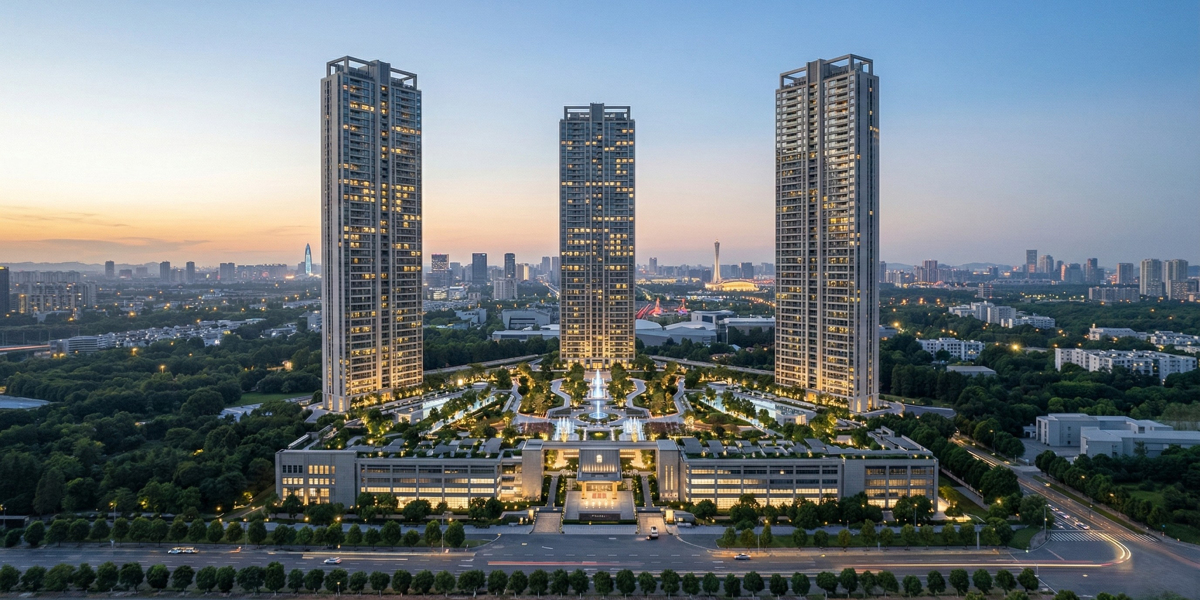 BPTP Downtown 66: A Masterpiece of Vertical Luxury in Sector 66
BPTP Downtown 66 has emerged as one of the most anticipated high-rise developments on the Golf Course Extension Road. Designed by the globally acclaimed architectural firm Aedas, this project is not just a residential complex but a vertical ecosystem where luxury meets functionality.
-
 Aesthetic Clinic in Australia | Beauty Clinic in Carolina | PM Aesthetics
Discover a trusted aesthetic clinic in Australia and a professional beauty clinic in Carolina. PM Aesthetics offers advanced skincare, cosmetic treatments, and personalized beauty solutions.
-
 The Masterful Synergy at Signature Global Tonino Lamborghini
Signature Global Tonino Lamborghini Residences represents a ₹2,890 crore synergy of Italian supercar aesthetics and Indian engineering excellence in Sector 71.
-
 Sidewalk Repair NYC: A Complete Guide for Property Owners
Sidewalks in New York City endure constant wear and tear due to heavy foot traffic, extreme weather conditions, and tree root growth. Over time, cracks, uneven surfaces, and potholes can develop. These issues not only create an unpleasant appearance but also pose serious safety hazards for
-
 Why Natural Stone Wall Panels Are Becoming the First Choice for Modern Interiors
Discover why natural stone wall panels are becoming a top choice for modern interiors and exteriors. Learn about their durability, aesthetic appeal, and versatile applications for residential and commercial spaces.
-
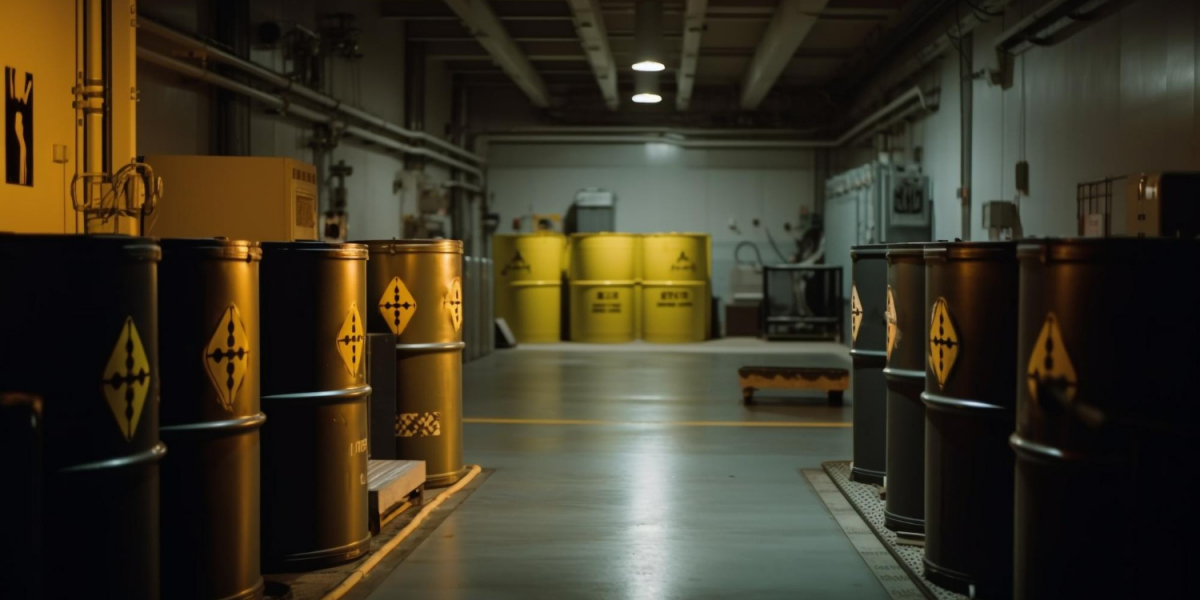 Chemical Supplier for Industrial in UAE: Reliable Solutions for Modern Industries
Find a reliable chemical supplier for industrial in UAE offering high-quality products, consistent supply, and tailored solutions for manufacturing, oil & gas, construction, and water treatment industries.
-
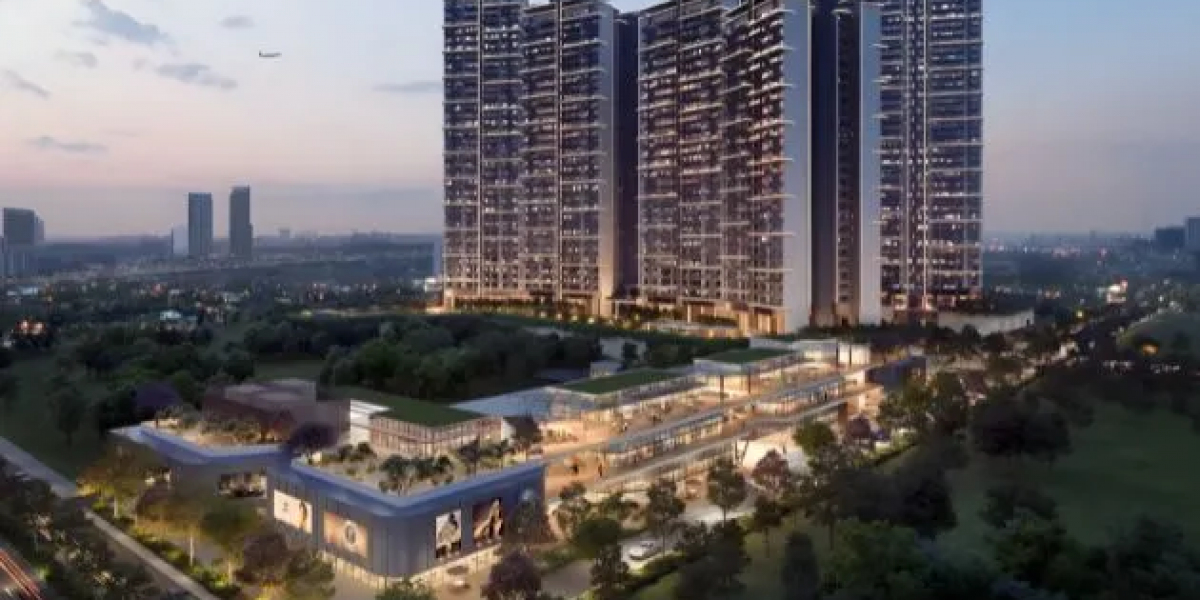 Signature Global Cloverdale SPR Gurgaon – A Modern Address for Comfortable Living
This connectivity allows residents to easily access major employment hubs, corporate offices, and business districts. The proximity to IGI Airport further adds to its appeal, especially for professionals who travel frequently.


