‘Every day the policy changes’: chaos and confusion for Filipino workers over US immigration rules


By Natasha May • June 8, 2026 • World news
The US relies on migrant workers in crucial sectors but shifting policies under Donald Trump create uncertainty and fear
Jay*, a Filipino migrant, cares for an 82-year-old US veteran in San Francisco’s Bay Area who has suffered from a stroke. They were playing a word search memory game together when Jay saw the news on Facebook about a policy memo from the US Department of Homeland Security (DHS). It suggested migrants might have to return to their home countries in order to apply for their green card, which allows its holder to live and work permanently in the US, unlike temporary visas that have expiration dates and can require renewals. Within a week, the DHS appeared to have walked back the policy, but his immigration lawyer still advised him to pause his own green card application as the environment felt more uncertain than ever. “Every day the policy is changing,” Jay says. Jay is one of thousands of Filipinos in vital care-giving roles in America whose lives have become more precarious under the Trump administration’s chaotic crackdown on immigration, forcing some into more vulnerable working conditions. It is an experience he has already lived. Together with his colleague Lei*, Jay was employed in a residential aged care home where he was made to work months without a single day off. Lei slept underneath the stairs; Jay in a storage room. Close to one in five healthcare workers in the US are immigrants, according to American Immigration Council analysis released in April, with the Philippines the most common country of birth. This includes almost 171,200 Filipino immigrant nurses – one out of every 25 nurses in the US. Those numbers do not include many more who care for US citizens in unskilled care work. Kai Marie, the chair of Migrante USA, which represents Filipino migrant workers, says their work is essential in the care and health industries. But she says confusing and contradictory announcements from the Trump administration – like those around the green card rules – not only threaten migrants’ personal feelings of security, but create an environment where some employers can take advantage of caregivers. “What employers can sometimes do – which is what Jay experienced – is use the threat of contacting immigration as a way to silence complaints … even if those complaints are very much valid, like speaking up to assert that their labour protection should be respected. “There’s uncertainty for people that are here,” Marie says,“because we’re even seeing green card holders that are being detained currently.” Migrante USA is advocating for the release of a 39-year-old Filipino green card holder Kuya Jeff from Alaska who was detained by Immigration and Customs Enforcement (ICE) over previous non-deportable offences he had already served time for. There has been a surge in migrants being detained by ICE as a consequence of a mass deportation campaign the Trump administration embarked on after Donald Trump retook office. Marie says the Philippine government is also not actively defending the rights of their nationals within the US. She points to the Philippines’ ambassador to the US Jose Manuel Romualdez’s comments to GMA News following the green card memo which echoed the US administration’s orders without questioning them. Romualdez said in the article that Filipinos applying for a green card would have to “go home first”. Sharvari Dalal-Dheini, the director of government relations at the American Immigration Lawyers Association, says the US agency still has not provided updated public guidance about this alleged “walk back” on the green card memo. “Stakeholders continue to be confused and dubious of the government’s claims. Until we have official word, we remain concerned and extremely cautious,” Dalal-Dheini says. Marie says it will not only be migrants and their families who are affected by the uncertainty, but also the US citizens they support. Gabriela*, another Filipino migrant who has worked as a carer in the same retirement home in the San Fernando Valley in California for 15 years, says compassion is “like a trademark” of Filipinos. She has been caring for one of her patients, who is 97 years old, for nine years. She says she had no choice but to leave her parents because there was no opportunity in the Philippines to provide a livelihood for her children. Having her green card application pending, Gabriela says she feels “scared” about what would happen to her children and patients if she were made to return to the Philippines. At the root of it, Marie says, is also the failure of governments of countries from which migrants originate, like the Philippines, to provide people with the means to make a living in their home country in the first place. “There needs to be more leadership from both the US government and the Philippines government to understand the human impact, the human cost of these things.” A spokesperson for the Philippines embassy in Washington said: “[The] Philippines is recognized globally as being at the forefront of promoting and protecting the welfare and rights of Filipino nationals overseas. “While the Philippines continues to offer opportunities as a growing economy, many overseas Filipinos have carefully weighed their choices and determined that employment abroad is better suited to their personal, professional, or financial goals.” * Names have been changed to protect identities
Source: The Guardian
Guardian News World
33 posts
-
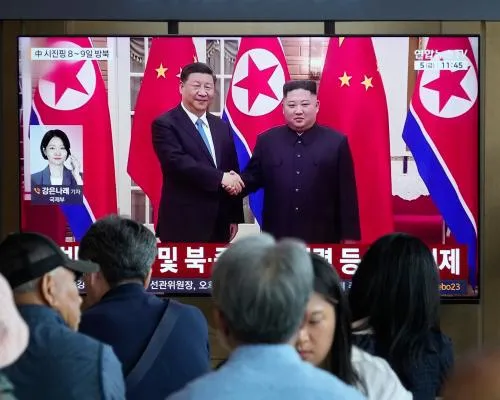 Xi Jinping set to meet Kim Jong-un in North Korea, as China seeks to revitalise relationship
The China-North Korea relationship has been strained by a fall in trade during the pandemic and Pyongyang’s increasing ties with Russia
-
 Anh, Pháp, Đức ủng hộ Nga và Ukraine đối thoại trực tiếp
Anh, Pháp, Đức ra tuyên bố chung ủng hộ lời kêu gọi của Kiev về Nga - Ukraine đàm phán trực tiếp, sau khi ông Putin từ chối gặp ông Zelensky.
-
 Cảnh báo sóng thần sau động đất 7,8 độ ngoài khơi Philippines
Trận động đất mạnh 7,8 độ xảy ra ngoài khơi bờ biển miền nam Philippines khiến ít nhất một người thiệt mạng, trung tâm cảnh báo khu vực đã phát cảnh báo sóng thần.
-
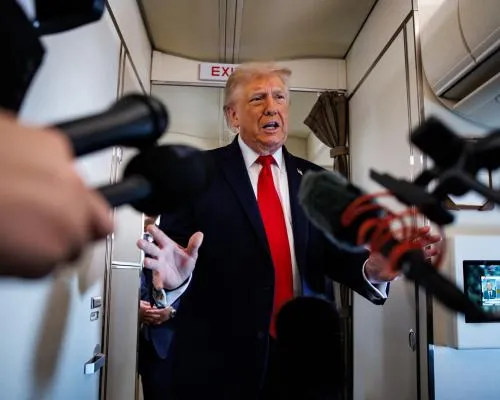 Trump walks out of interview with NBC’s Meet the Press after clash over election claims
Kristen Welker questioned Trump’s allegations that races for California governor and 2020 president were ‘rigged’
-
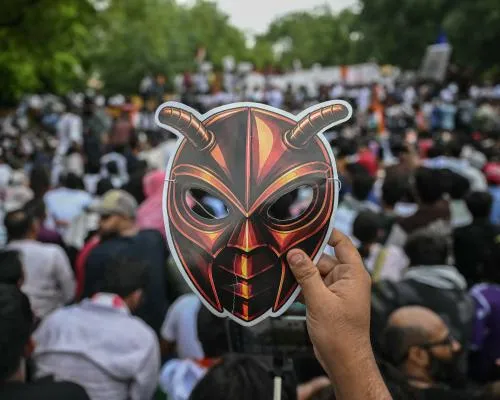 ‘What if all cockroaches came together?’ The youth movement threatening to shake up India’s politics
Cockroach Janta party began as online joke but is growing into one of the most unexpected challenges to country’s rightwing government
-
 Iran phóng loạt tên lửa đạn đạo nhằm vào Israel
Iran phóng loạt tên lửa nhằm vào Israel, lần đầu kể từ khi đạt thỏa thuận ngừng bắn với Mỹ, nhằm đáp trả cuộc tập kích thủ đô Lebanon.
-
 Ex-CIA official accused of stealing $40m in gold bars reportedly created fake spy program
David Rush, who was arrested in May, stole millions from US government through ‘special access program’, officials say
-
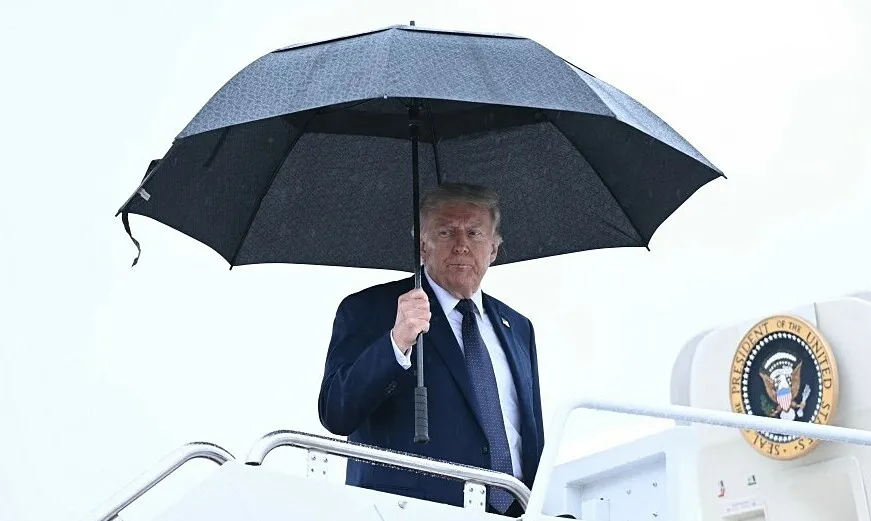 Pháp tìm cách níu chân ông Trump tại hội nghị G7
Pháp đang tìm cách bảo đảm ông Trump tham dự trọn vẹn hội nghị G7 sắp diễn ra, khi mối quan tâm của Tổng thống Mỹ với châu Âu phai nhạt.
-
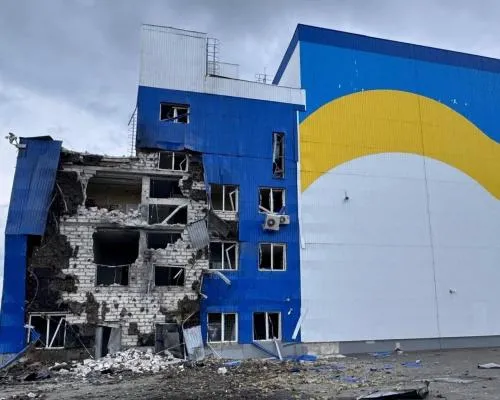 Russian drone hits building storing spent nuclear fuel near Chornobyl
Attack was ‘extremely vile’ and deliberate, says Ukraine’s president Volodymyr Zelenskyy
-
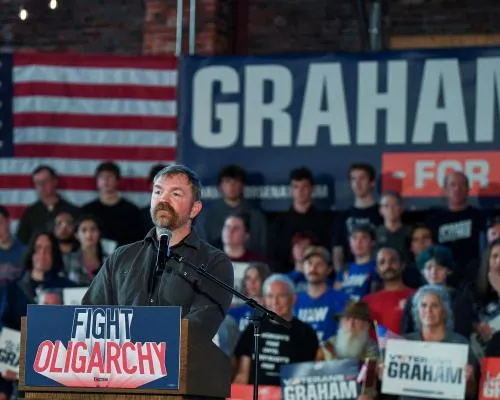 Democrat Ro Khanna says he supports Graham Platner despite ‘shameful’ actions
Congressman issues qualified defense of Maine Democrat candidate who is seeking to unseat Republican incumbent


