By Jakub Krupa • June 19, 2026 • World news
It follows a similar move at the G7 earlier this week, where leaders calling on Russia to engage with the peace process
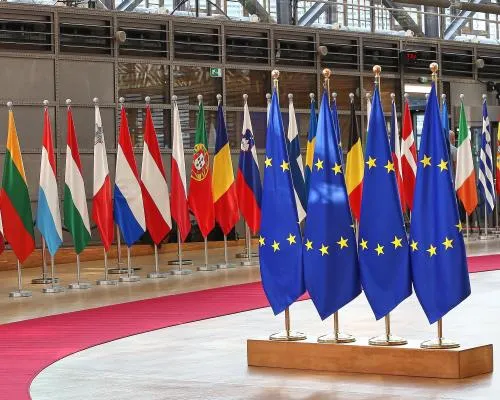
Not many other leaders showed up to offer doorstep comments this morning – and can you really blame them, after they had just a few hours of sleep? But Ireland’s Micheál Martin popped in to tell reporters that “it’s imperative that we continue to make progress” on this budget. But he also made it clear that agriculture is one big sticking point, with some countries not happy with the proposed allocation. “It was very clear that quite a number of member states are anxious to improve somewhat on the draft budget proposals around agriculture, but it will be very challenging because there are a lot of competing demands,” he said, adding that “there are [already] some who believe the budget is too high as it is.” Martin also praised Zelenskyy’s presentation last night as “one of the more significant presentations he has made” to EU leaders. He said – echoing the leaders’s statement – that there are no signs from Russia that it would be willing to engage with the proposed peace process. However, he still backed the calls for establishing a diplomatic channel with Russia. “There’s some distance to go yet before, before we get there [to negotiations], but opening up channels, in my view, given our own experience in conflict resolution, is not something that we would criticise or be negative about.” Meanwhile, Germany’s chancellor Friedrich Merz has sought to set the tone for discussions on the bloc’s new 2028-2034 budget, opposing a proposed increase in spending. Arriving for day two of the talks, Merz said the EU should “not move into further indebtedness,” AFP reported. “We must not do that.” The political talks on the budget are expected to take several months. After a long, long night in Brussels, EU leaders have signed off on a joint statement of support for Ukraine – the first signed off by all 27 member states since March 2025. Guess we can call it the Magyar effect, after Péter Magyar, the new Hungarian prime minister, who replaced the infamously obstructive Viktor Orbán. The statement reads fairly similar to that issued by the G7 earlier this week, siding with Ukraine and calling on Russia to engage with the peace process. “Having failed to achieve its military and strategic objectives, Russia has intensified its missile and drone attacks against Ukrainian cities and energy infrastructure. The European Council urges Russia to show genuine willingness regarding peace, agree to a full, unconditional and immediate ceasefire and engage in meaningful negotiations towards a just and lasting peace. … The European Union remains determined to further increase pressure on Russia and continue weakening Russia’s war economy so that it stops its brutal war of aggression and engages in meaningful negotiations towards peace.” Despite some appetite for direct talks with Russia among certain leaders, they do not get a mention in the conclusions. The bleary-eyed leaders are already back in the room this morning, discussing another contentious topic: of the EU’s next financial settlement. Getting an agreement here is going to prove much more difficult, and we are unlikely to see binding decisions today. Either way, we are going to hear from the leaders later today, when they are done with the talks. I will bring you all the details here. It’s Friday, 19 June 2026, it’s Jakub Krupa here, and this is Europe Live. Good morning.
Source: The Guardian

Guardian News World
239 posts
-
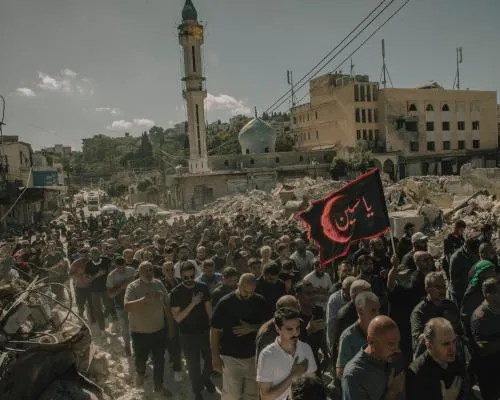 Inside the city of grief hit hardest by Israel strikes on southern Lebanon
People in Nabatieh mourn the city’s recent dead in religious ceremony held amid empty streets and shattered buildings
-
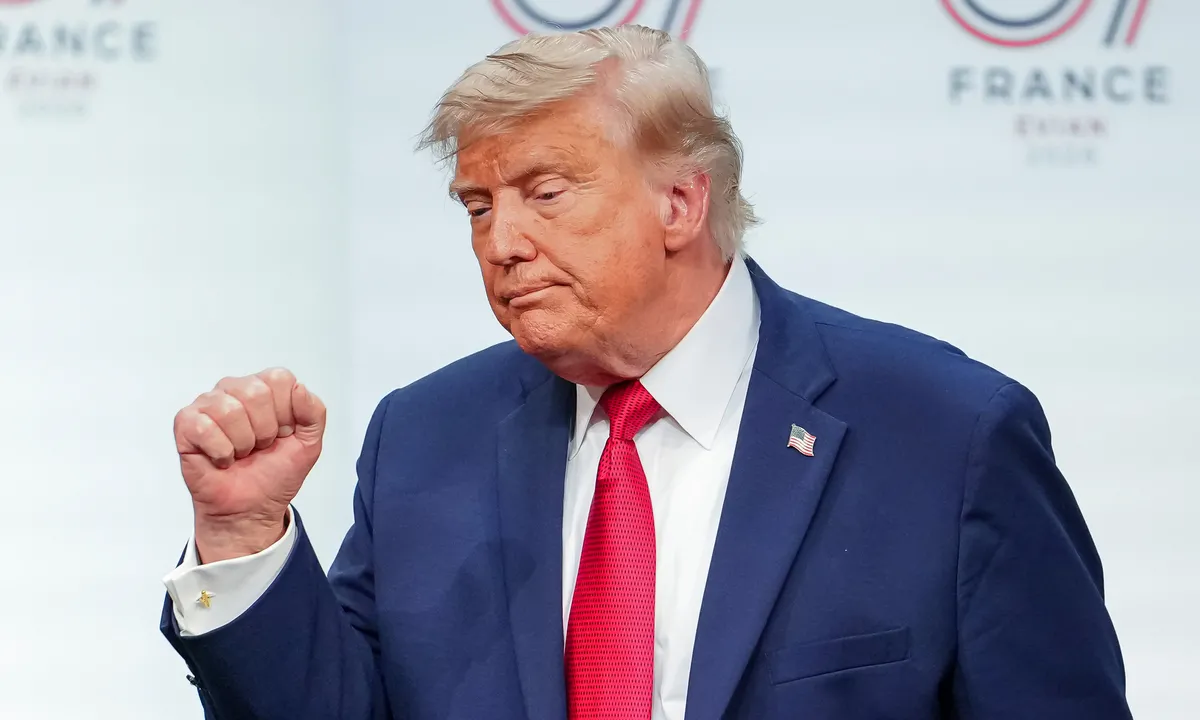 Ông Trump: Quyền lực của tôi không có giới hạn
Tổng thống Trump cho rằng xung đột với Iran cho thấy sức mạnh quân sự Mỹ và khẳng định không có giới hạn nào với quyền lực của ông.
-
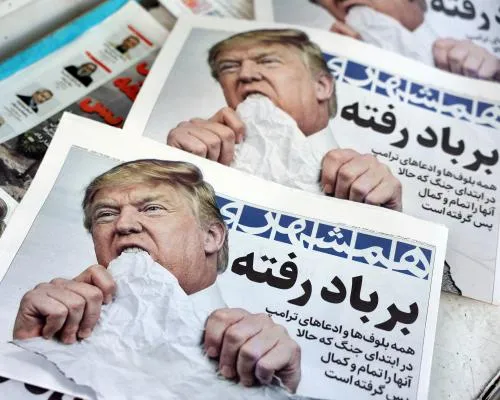 First Thing: Trump signs deal that Iran labels ‘a record of US failure’
President hails ‘major win’ for US as he attempts to exit war having failed to achieve regime change in Tehran. Plus: an investigation into the murky world of OnlyFans ‘managers’
-
 Hành trình từ lái máy kéo đến gây dựng đế chế tỷ đô của 'Nữ hoàng Bánh xe'
Từng bị từ chối vì là phụ nữ khi xin lái máy kéo vào những năm 1970, Trần Ái Liên đã chứng minh tư duy khác biệt khi gây dựng tập đoàn sản xuất bánh xe.
-
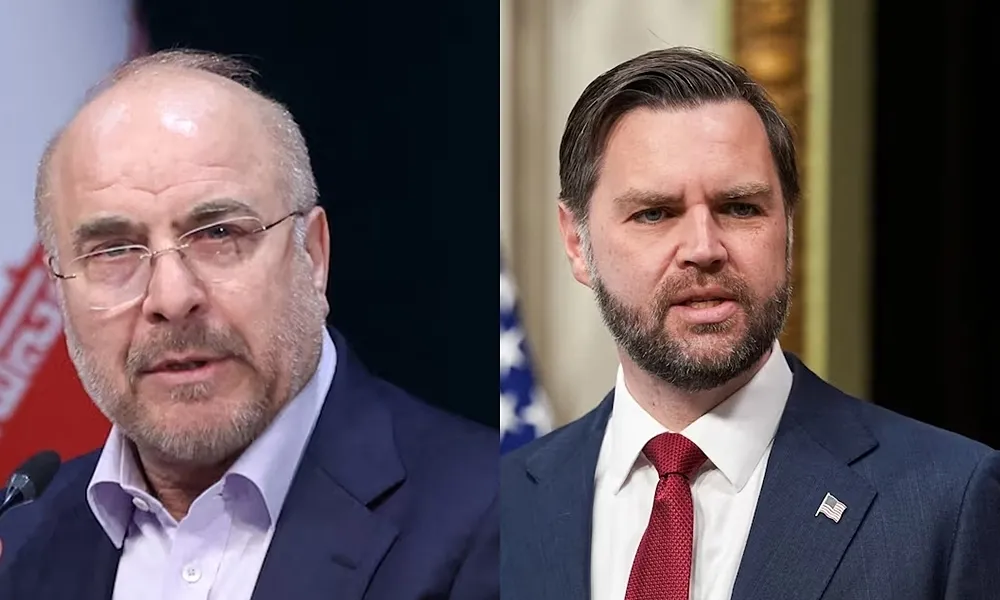 Mỹ - Iran hoãn đàm phán hòa bình tại Thụy Sĩ
Thụy Sĩ cho biết phái đoàn Mỹ và Iran sẽ không đàm phán tại nước này như dự kiến, làm tăng hoài nghi về thỏa thuận hòa bình.
-
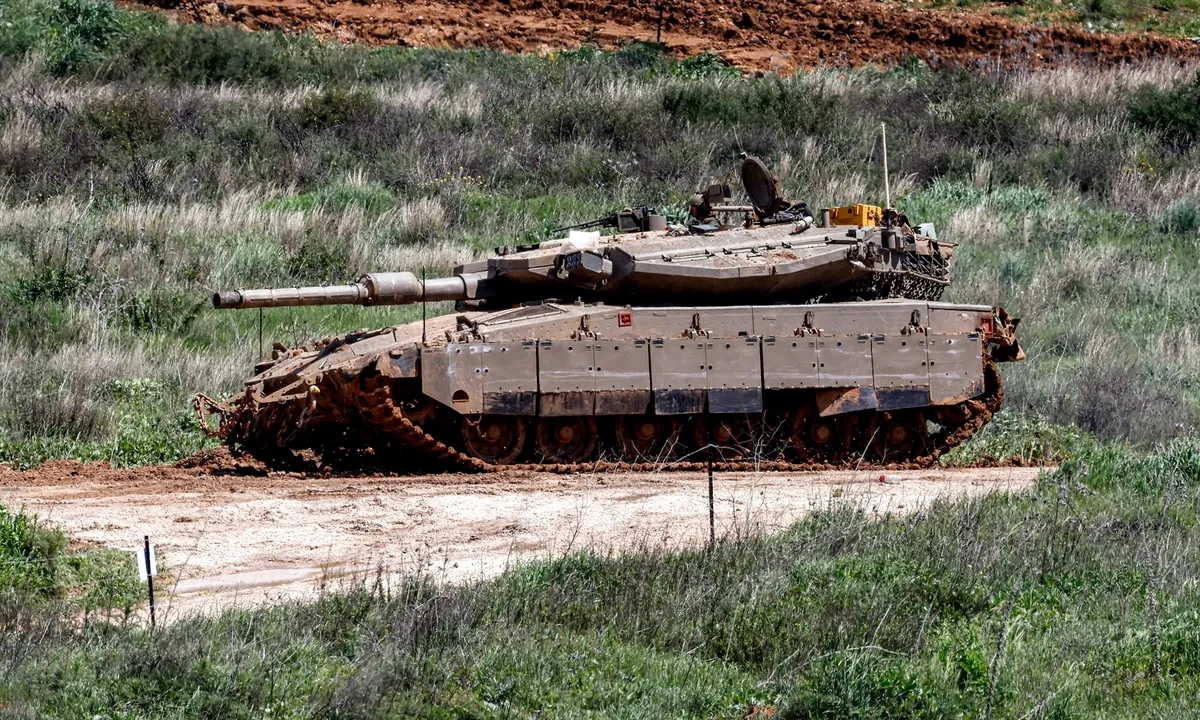 Xe tăng Israel trúng tập kích ở Lebanon, 4 binh sĩ thiệt mạng
Israel thông báo 4 quân nhân, trong đó có một tiểu đoàn trưởng, thiệt mạng sau khi một xe tăng bị lực lượng Hezbollah tập kích tại Lebanon.
-
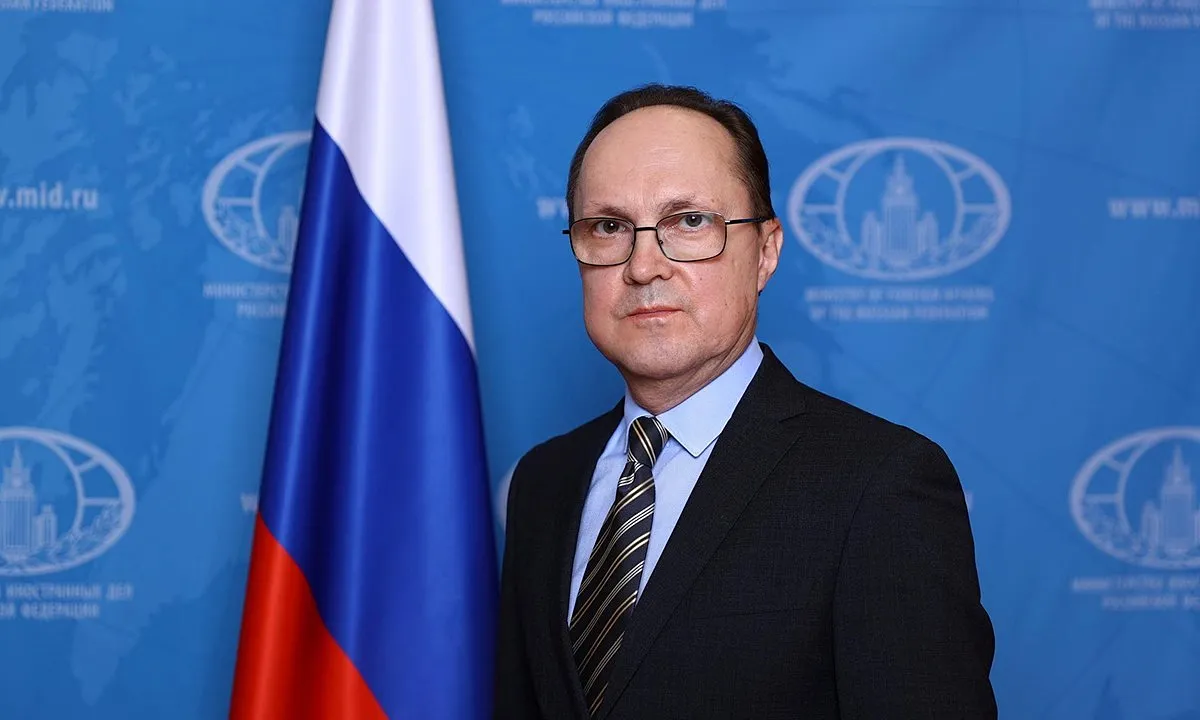 Đại sứ Bezdetko: Việt Nam đóng vai trò quan trọng trong quan hệ ASEAN - Nga
Đại sứ Bezdetko đánh giá cao việc Việt Nam ủng hộ và triển khai nhiều sáng kiến nhằm thúc đẩy quan hệ ASEAN - Nga.
-
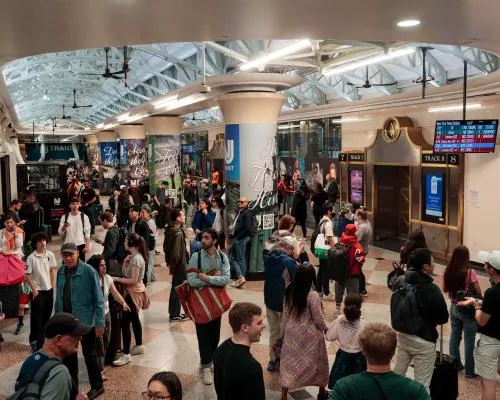 Will Penn Station’s much-needed makeover boost commuters – or Trump?
A proposed $8bn renovation of the hub has critics wondering if it’s another example of the US president bolstering his legacy at taxpayers’ expense
-
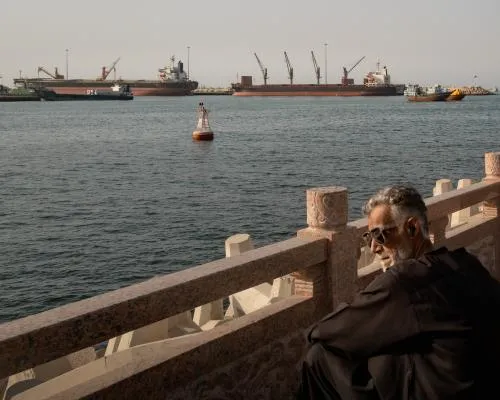 Normal shipping will not resume in strait of Hormuz until 80 mines cleared
Tanker owner trade body says centre of strait will remain closed for ‘some time’, with vessels risking running aground by taking Omani route
-
 Man charged with hate crime over cross burning in Chicago park
Merlin Lu faces felony and misdemeanor charges after police released images of a suspect fleeing the scene


