
In an increasingly mobile and connected world, traditional stationary surveillance systems often fall short of modern security demands. Enter Mobile Video Surveillance (MVS)—a flexible, powerful solution that extends real-time monitoring to moving vehicles, remote sites, and temporary locations. From law enforcement and emergency response to construction sites and public events, MVS systems offer unmatched adaptability and situational awareness.
The mobile video surveillance market comprises systems used for real-time monitoring in moving vehicles such as police cars, buses, trains, and drones. Components include cameras, storage devices, and wireless communication. Applications span law enforcement, transportation, and military. The market is segmented by component, application, and region, supporting security and situational awareness.
This article explores what mobile video surveillance is, how it works, key applications, and its growing role in today’s security infrastructure.
Mobile Video Surveillance refers to a system of cameras and supporting technology mounted on moving platforms—such as vehicles, drones, or portable units—that capture, transmit, and sometimes store video data in real-time or for later analysis. Unlike fixed CCTV systems, MVS is designed for dynamic, temporary, or remote operations where traditional surveillance may be impractical.
These systems typically include:
High-resolution cameras (HD, 4K)
Wireless transmission modules (4G/5G, Wi-Fi)
GPS tracking
Onboard storage (DVR/NVR systems)
Remote monitoring and control via apps or centralized software
Wide-angle, infrared, pan-tilt-zoom (PTZ), and thermal options.
Mounted on vehicles, drones, poles, or mobile units.
Digital Video Recorders (DVRs) or Network Video Recorders (NVRs) that support continuous, scheduled, or event-triggered recording.
Cellular (4G/5G), satellite, or Wi-Fi for remote data transmission and live viewing.
Vehicle battery, solar panels, or external generators to ensure 24/7 operation.
Software platforms that allow users to watch live feeds, review footage, and control cameras remotely via mobile or desktop.
Patrol vehicles equipped with MVS for real-time crime monitoring.
Body-worn cameras for officers.
Crowd surveillance during public events or protests.
Monitoring cargo in transit.
Enhancing safety in public transport systems.
Managing traffic and accident response.
Securing construction sites, especially after hours.
Monitoring worker compliance and safety regulations.
Oil rigs, mining operations, and rural infrastructure projects benefit from deployable MVS units.
Event security for concerts, festivals, and political rallies.
Tactical surveillance in hostile or remote areas.
Border patrol using vehicle and drone-based cameras.
Flexibility and Mobility: Easily moved and redeployed to new locations as needed.
Real-Time Monitoring: Enables instant decision-making and rapid response.
Cost-Effective: Reduces the need for permanent infrastructure.
Enhanced Safety: Deters crime and improves emergency response.
Evidence Collection: Captures high-quality video that can be used in investigations or legal proceedings.
Remote Access: Enables monitoring from any location through cloud-based systems.
Connectivity Issues: Remote areas may have limited network access.
Power Supply Management: Continuous operation may require renewable or backup power.
Data Storage and Bandwidth: High-resolution video consumes significant space and transmission resources.
Privacy and Legal Concerns: Use must comply with local surveillance and data protection laws.
AI and Analytics: Automated license plate recognition, facial recognition, and behavior analysis.
Cloud Integration: Improved scalability, storage, and remote access.
Drone Surveillance: Expanding the reach and perspective of traditional systems.
Edge Computing: Localized data processing to reduce latency and bandwidth use.
Improved Cybersecurity: Encryption and secure transmission protocols to protect video data.
Mobile video surveillance is rapidly transforming the security landscape by offering unparalleled flexibility, mobility, and intelligence. As technology evolves, MVS systems will become even more integrated, intelligent, and indispensable across various industries. From enhancing public safety to protecting valuable assets, mobile surveillance is shaping the future of real-time monitoring and response.
Related Reports:

Shraddha Dhumal
31 posts
-
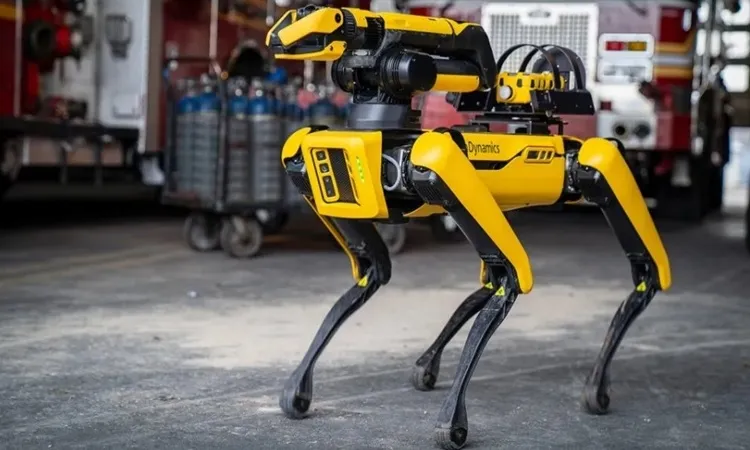 Những robot động vật giải quyết thách thức kỹ thuật
Lấy cảm hứng thiết kế từ tự nhiên, một số robot động vật đáp ứng xuất sắc các nhiệm vụ khó khăn từ giám sát công nghiệp tới thám hiểm dưới nước.
-
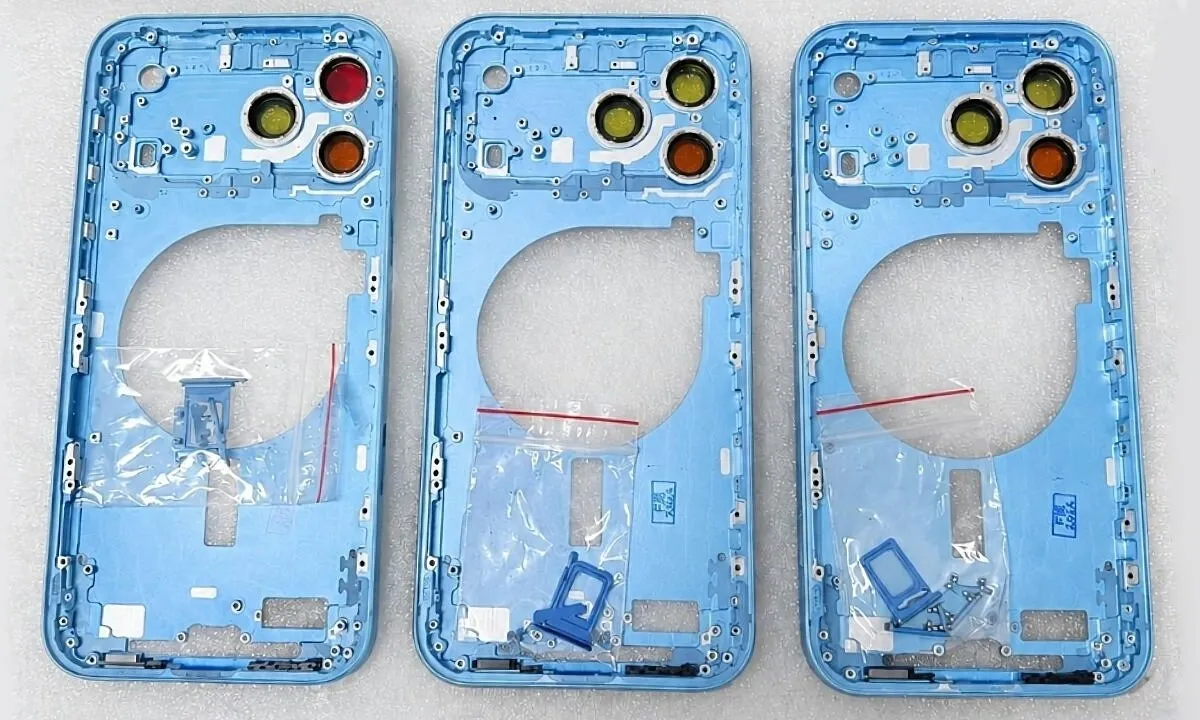 Rò rỉ khung iPhone 18 Pro với ba màu mới
Một số hình ảnh được cho là khung sườn của iPhone 18 Pro xuất hiện trên mạng, cho thấy các tùy chọn màu sắc thực tế của sản phẩm.
-
 Robot 'chú hề' đá trúng khán giả nhí
Khi biểu diễn trước đám đông tại Tân Cương, robot hình người G1 của công ty Unitree vô tình đá vào bụng một cậu bé đứng xem.
-
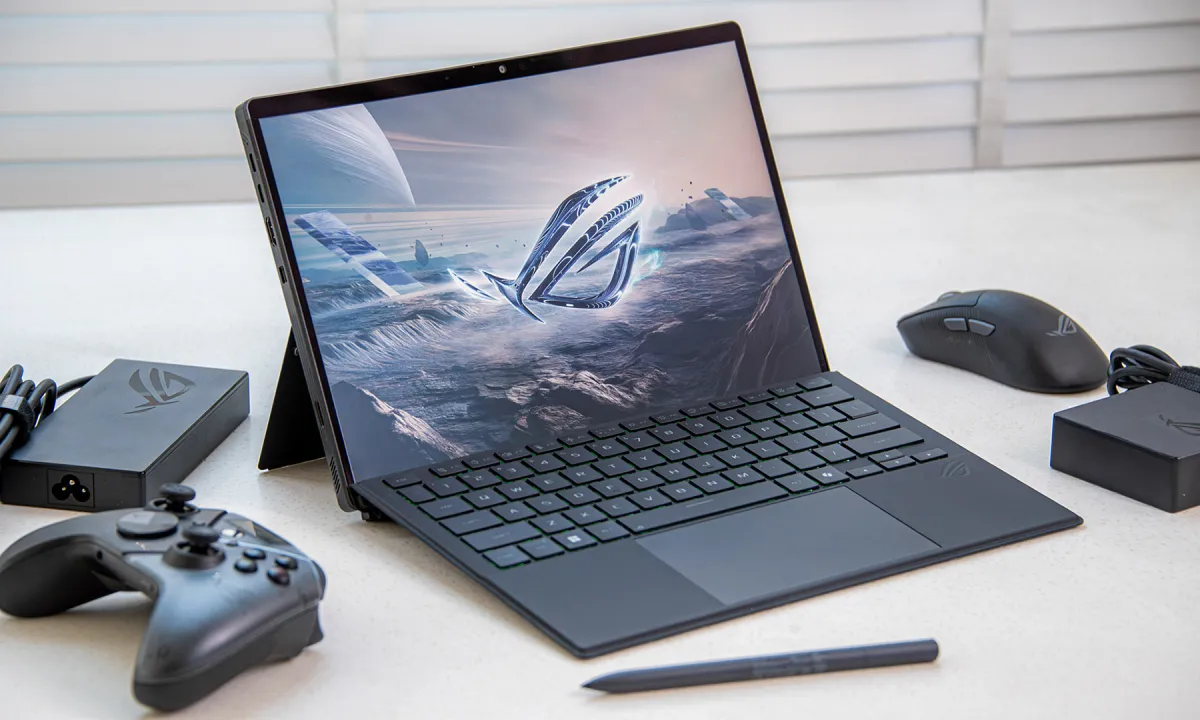 Các mẫu laptop gaming nổi bật của ROG 20 năm qua
Dòng Zephyrus G14 mỏng nhẹ, Zephyrus Duo với màn hình đôi, Flow Z13 thiết kế lai tablet là các mẫu laptop gaming đặc biệt của ROG.
-
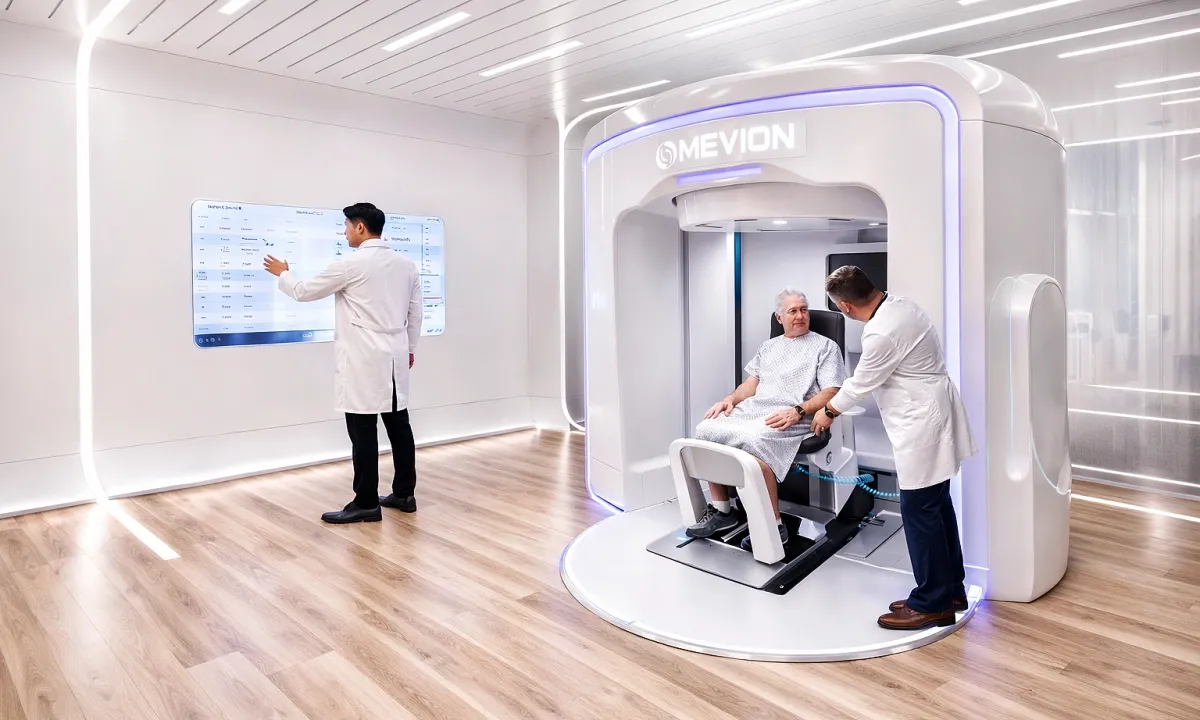 AI hỗ trợ xạ trị trúng đích trong 'siêu máy' 2.000 tỷ đồng
Máy proton Mevion S250-FIT dùng AI tấn công khối u chính xác và an toàn hơn, là hệ thống xạ trị tư thế ngồi đầu tiên trên thế giới của Mevion (Mỹ), được Bệnh viện Tâm Anh đưa về Việt Nam.
-
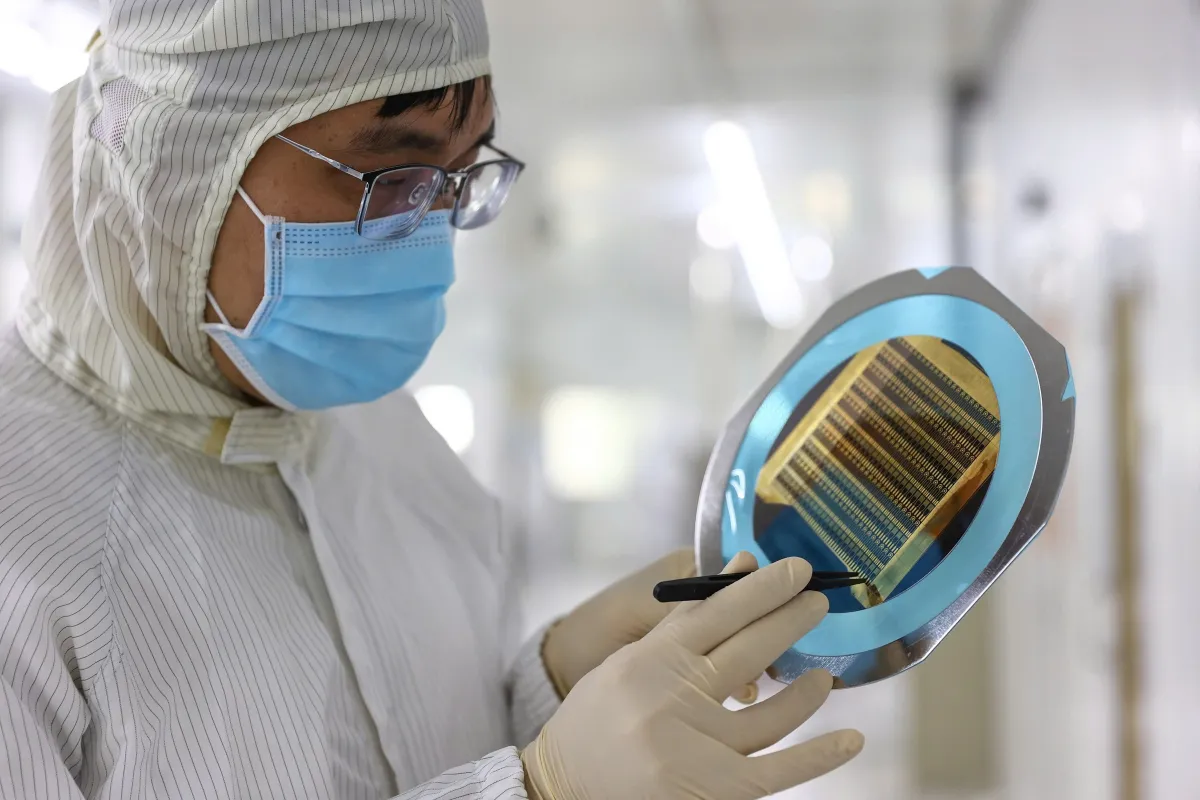 Tái cấu trúc phòng thí nghiệm trọng điểm, làm chủ công nghệ chiến lược
Việt Nam dự kiến xây dựng khoảng 10-15 trung tâm nghiên cứu và phòng thí nghiệm quốc gia quy mô lớn, tập trung vào AI, bán dẫn... phục vụ mục tiêu làm chủ công nghệ chiến lược.
-
 Anthropic: Cần cơ chế dừng phát triển AI toàn cầu
Startup Anthropic cho rằng thế giới cần chuẩn bị phương án giảm tốc hoặc dừng phát triển AI nếu các mô hình có khả năng tự nâng cấp quá nhanh.
-
 Tổng Bí thư, Chủ tịch nước Tô Lâm đề nghị chuyên gia Google hỗ trợ phát triển AI
Trong buổi tiếp ông Eric Schmidt, nguyên Chủ tịch Google, cùng đoàn chuyên gia, Tổng Bí thư, Chủ tịch nước Tô Lâm đề nghị hỗ trợ Việt Nam xây dựng tầm nhìn, chính sách và hệ sinh thái AI.
-
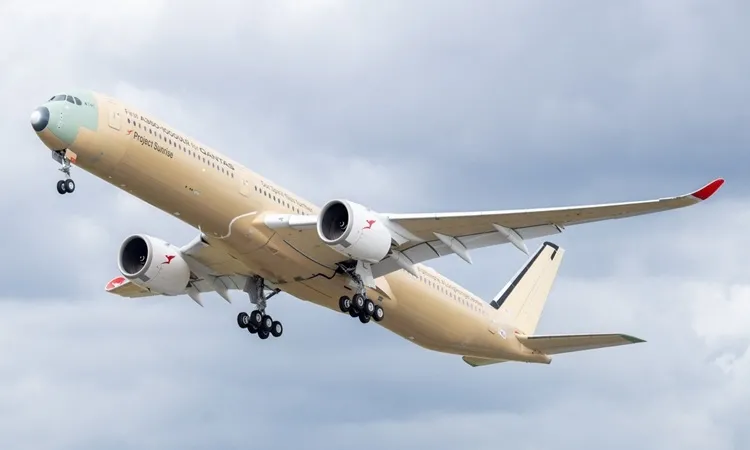 Máy bay chở khách có tầm bay xa nhất thế giới
Máy bay A350-1000ULR của Airbus có thể bay liên tục 22 giờ với tầm bay tối đa lên tới trên 18.000 km.
-
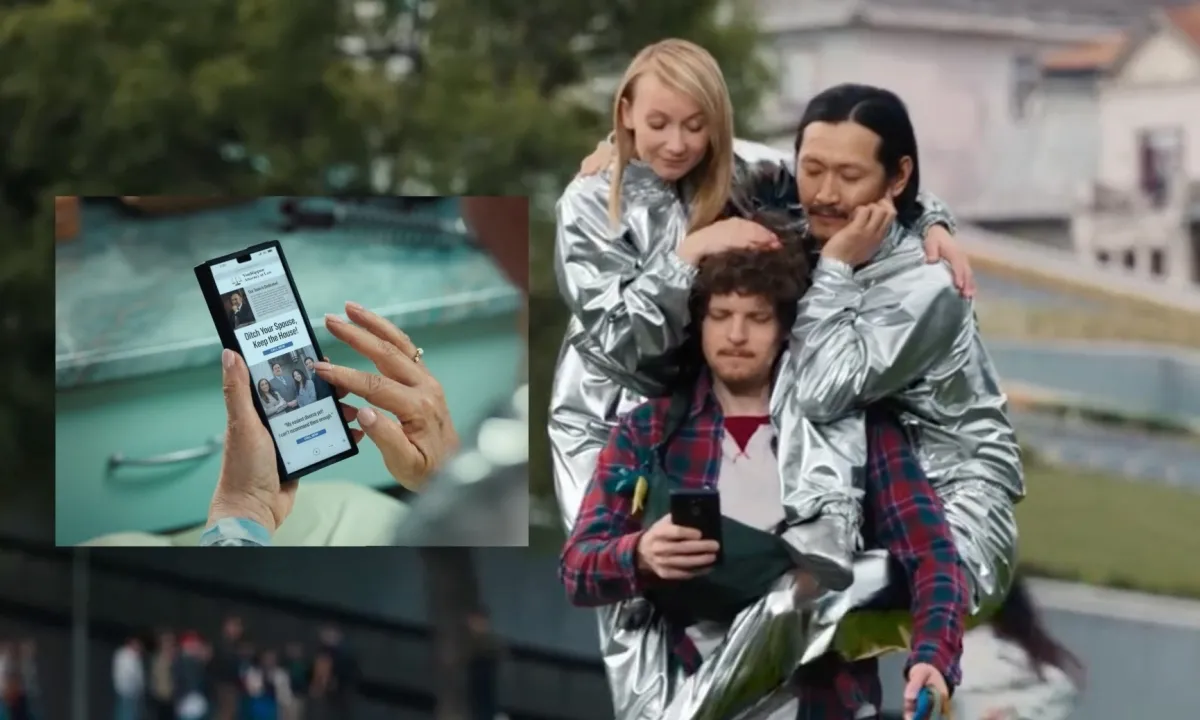 Apple 'đá xoáy' trình duyệt Chrome
Trong video giới thiệu khả năng bảo mật dữ liệu riêng tư của Safari, Apple ẩn ý trình duyệt Chrome không bảo vệ người dùng trước những kẻ theo dõi.
-
 Tổng Bí thư, Chủ tịch nước Tô Lâm đề nghị Google hỗ trợ xây dựng hệ sinh thái AI
Trong buổi tiếp ông Eric Schmidt, nguyên Chủ tịch Google, cùng đoàn chuyên gia, Tổng Bí thư, Chủ tịch nước Tô Lâm đề nghị hỗ trợ Việt Nam xây dựng tầm nhìn, chính sách và hệ sinh thái AI.


