By Chris Stein in Washington • June 25, 2026 • US news
Senator warns of ‘tsunami of anger’ against big companies and suggests future administrations may undo key deals
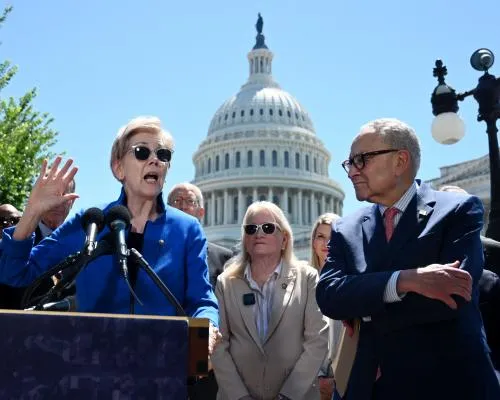
Democratic senator Elizabeth Warren has warned that corporate mergers approved by the Trump administration – including a pending deal that would put two of America’s largest news outlets under the control of a family sympathetic to the president – could be undone by a future administration. “After 2028, we’ll have new players in Washington, and everyone who’s engaged in this merger frenzy right now is aware of that,” Warren said in an interview. “The deals that are being cut today are occurring in the shadow of a coming political tsunami of anger against these giant corporations that think they can mow through one industry after another and run up prices and suck out profits and never be held accountable.” “By 2028” – the year of the next presidential election – “they may find out they have badly miscalculated,” Warren said. The Massachusetts senator’s comments come after the justice department earlier this month approved the $111bn merger of Warner Bros Discovery, the parent company of CNN and HBO, and Paramount Skydance, which includes CBS News and is controlled by the Ellison family. The deal has prompted concerns that Larry Ellison, a longtime associate of Donald Trump, and his son, David, could reorient CNN’s coverage to be favorable to the president. After gaining control of CBS News in the merger last year that created Paramount Skydance, David Ellison appointed as editor-in-chief Bari Weiss, a conservative commentator who had no experience in television. The news network has since been plagued by allegations of political bias, including at 60 Minutes, the most watched show in television news. At CNN, the looming prospect of the Ellisons gaining control of that network and potentially installing Weiss in a leadership role has sparked concerns inside the network. Warren warned that if the networks are indeed combined under the Ellisons, it would mean “there’s one ultimate decision-maker who decides what’s important and what’s not” at two of the country’s biggest news outlets. “A bigger problem is that Ellison himself wants to inject a tilt into the news, and that means, where Americans turn for news, they can depend less and less on hearing independent, unbiased reports, and increasingly hearing a predigested version of the world that is comfortable for the new management of these news outfits,” she said. State attorneys general have reportedly planned a lawsuit over the deal, but have yet to announce it. Warren said she “wouldn’t draw a lot of inferences” from the delay, because bringing such a case requires significant resources and coordination among states as they decide “how they’re going to to pool their efforts to go up against a giant like Ellison”. Beyond media, the Trump administration has also approved Nippon Steel’s $14.9bn acquisition of US Steel; Omnicom’s $13.5bn acquisition of Interpublic to create the world’s largest advertising agency; and a $35bn deal between Capital One and Discover Financial. In a speech to the Open Market Institute in Washington, the senator accused the Trump administration of turning a blind eye to the merger wave’s harmful effects on consumers in exchange for political donations. “As soon as Trump took office, corporations came knocking at the White House door to get their pro-monopoly deals approved,” Warren said. “Have you wondered why companies keep donating millions of dollars to Trump’s gold-encrusted ballroom, his arch, or his library? It looks a lot like a pay-to-play scheme.” Warren is not alone among Senate Democrats in threatening to undo mergers approved under the Republican administration. In February, Senator Chris Murphy warned in a post on social media that Paramount, which had then become the prime bidder for Warner Bros Discovery after Netflix dropped out, “should enjoy its growing news monopoly while they have it because when Democrats win back power we are going to break up these anti-democratic information conglomerates. All of them.” In November, voters will cast ballots in midterm elections that could put Democrats back in control of the Senate and House of Representatives. Warren, who represents Massachusetts and is currently the top Democrat on the Senate banking committee, said returning to the majority could offer her party some limited opportunity to strike back at the Trump administration’s merger policy. “What we’ll be able to change in the law will be tough, with Donald Trump still sitting in the White House and able to veto anything he doesn’t like,” Warren said. However, she noted that antitrust law permits retroactive breakups of mergers “if they are later determined to violate those laws”.
Source: The Guardian

World News Today
338 posts
-
 US renters call for action to combat surge of ‘take it or leave it’ apartment fees
Tenants push for tougher rules against unfair add-on charges. Industry players argue against policies that they say could limit the ‘effective use of fees’
-
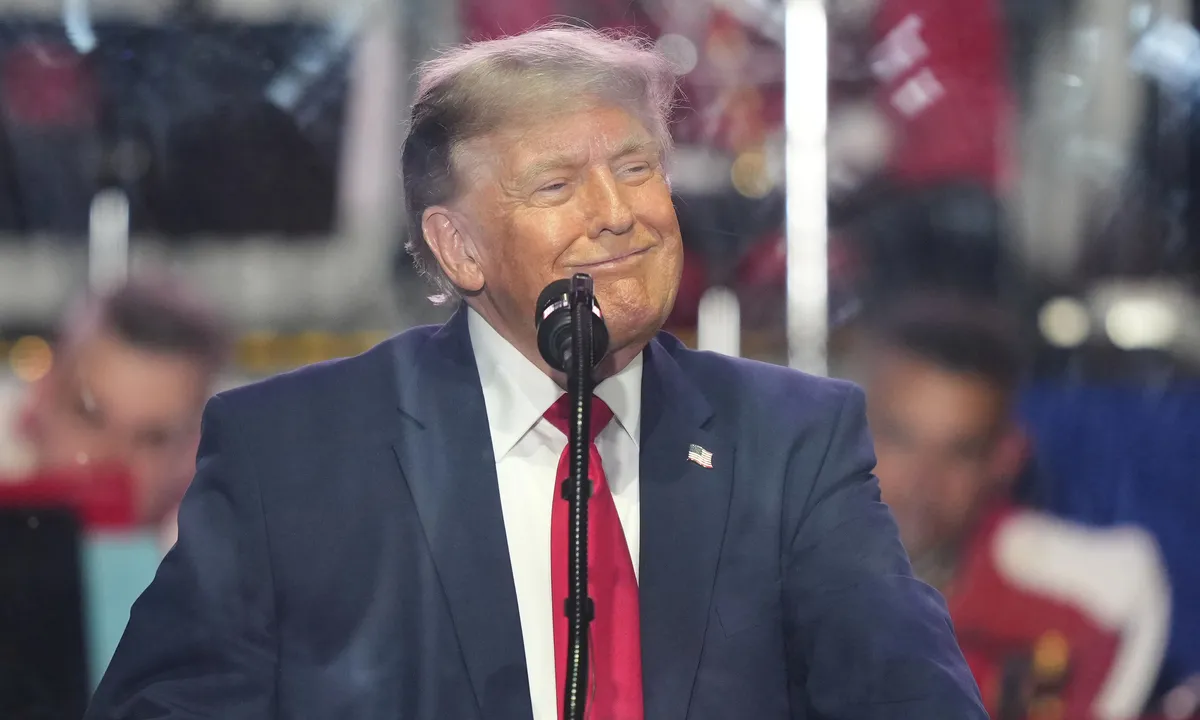 Phe Cộng hòa thay đổi lập trường, ông Trump phản ứng gay gắt
Phe Cộng hòa thay đổi lập trường để xoa dịu ông Trump về nghị quyết siết quyền lực chiến tranh của ông, song Tổng thống vẫn chỉ trích mạnh mẽ.
-
 Europe braced for another day of extreme heat as warnings issued across UK, France and Italy – live
UK June heat record could be broken for the second consecutive day
-
 Trump mở cửa khả năng Thổ Nhĩ Kỳ tái tham gia dự án F-35
Ông Trump để ngỏ khả năng giúp Thổ Nhĩ Kỳ trở lại dự án F-35 sau khi bị loại khỏi chương trình vì mua hệ thống S-400 từ Nga.
-
 Darializa Avila Chevalier: pro-Palestinian doctoral student steps into politics with ‘faith in the future’
Mamdani-backed candidate won New York’s 13th congressional district with no experience in office but ideas for how politics can ‘actually invest in life’
-
 Tranh chấp giữa Mỹ và Trung Quốc về hoạt động kiểm tra tàu hàng ở Thái Bình Dương
Vụ tranh chấp giữa Mỹ và Trung Quốc về hoạt động kiểm tra tàu hàng ở Thái Bình Dương đã trở thành một điểm nóng trong quan hệ hai nước. Hải cảnh Trung Quốc…
-
 Papua New Guinea at risk of food shortages as El Niño brings frost and drought
Oxfam predicts PNG will be worst-hit country in Pacific from the weather pattern, with up to 3 million people affected nationwide
-
 ‘Degrading’: why did a US fighter pilot avoid British trial after strangling a woman in England?
Jacob Wulfson’s fellow airmen decided his fate after a court martial at RAF Lakenheath – a distressing week for Sarah Steele, the academic he assaulted
-
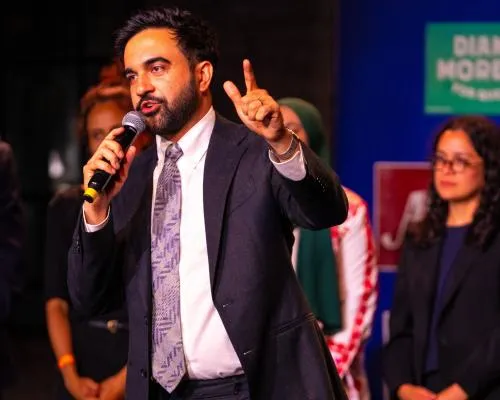 New York primaries show Zohran Mamdani has lost none of his political magic
The New York Knicks might have won in five, but the city’s mayor did it in three: a trio of candidates backed by Mamdani appear set to land seats in US Congress
-
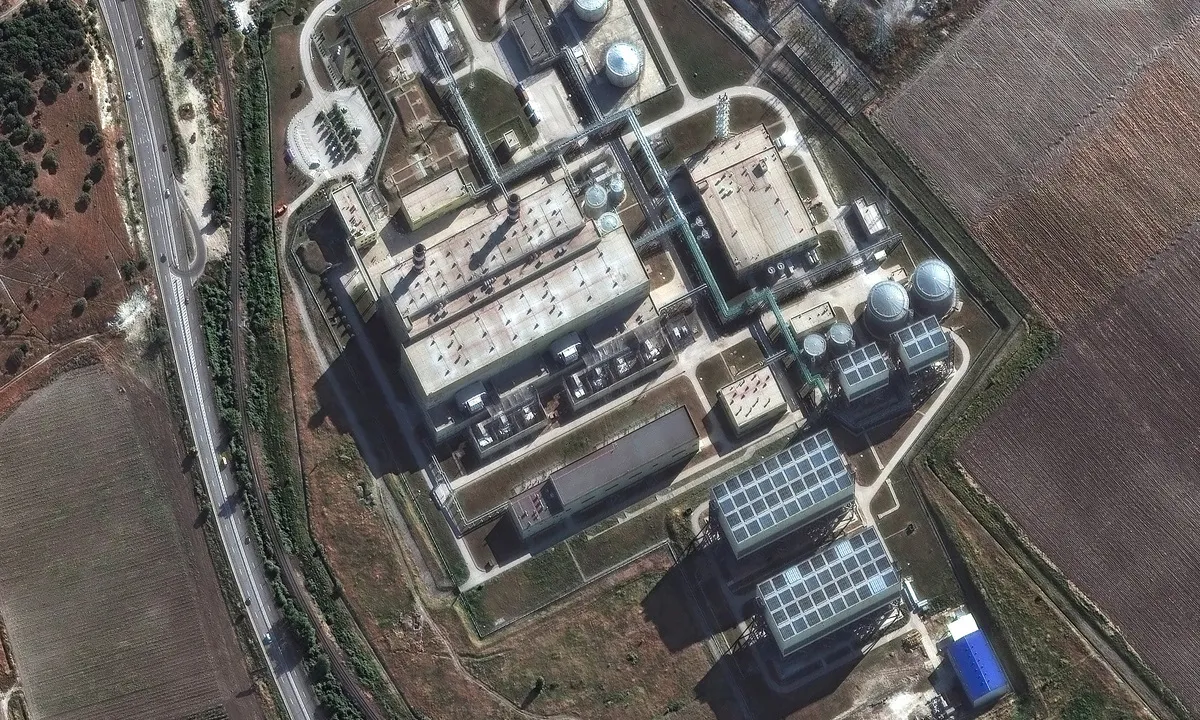 Mất điện loạt thành phố Crimea sau đòn tấn công của Ukraine
Loạt thành phố Crimea mất điện sau khi bị tấn công bằng UAV của Ukraine, thị trưởng Sevastopol kêu gọi người dân tiết kiệm điện và đoàn kết vượt qua khó khăn.


