
In today's world, where climate change and pollution are growing concerns, every small action matters—including how we package our food. Eco-friendly food containers are becoming the smarter, sustainable choice for individuals, restaurants, and businesses looking to reduce their environmental impact. These containers are not just a trend—they are a practical solution to the mounting problem of plastic waste.
Eco-friendly food containers are packaging solutions made from biodegradable, compostable, recyclable, or reusable materials. Unlike traditional plastic or Styrofoam containers that linger in the environment for hundreds of years, these alternatives break down naturally or can be reused, leaving minimal or no trace behind.
Sugarcane Bagasse – A natural byproduct of sugarcane processing that’s strong, durable, and compostable.
Cornstarch (PLA) – A plant-based plastic that’s biodegradable and safe for the environment.
Bamboo & Palm Leaves – Naturally beautiful, biodegradable, and ideal for plates and serving trays.
Recycled Paper & Kraft Board – Great for dry and semi-wet food, and easily recyclable.
Glass and Stainless Steel – Durable and reusable, perfect for long-term food storage.
Plastic containers are one of the top contributors to landfill waste and ocean pollution. Switching to biodegradable or compostable containers helps tackle this issue directly.
Plastic containers may leach harmful chemicals into food, especially when heated. Eco-friendly options made from natural materials are safer and non-toxic.
Businesses that use sustainable packaging are seen as responsible and modern. Consumers increasingly prefer brands that care for the environment.
Using recyclable or compostable packaging motivates people to dispose of waste the right way, creating a cleaner community.
Restaurants and Cafés: Offering delivery in eco-containers helps them attract eco-conscious customers.
Home Kitchens: People are replacing plastic tiffins and lunch boxes with glass or steel alternatives.
Event Planners: Parties and events are now using biodegradable plates, cups, and cutlery for a waste-free experience.
While eco-friendly containers are a great option, choosing the right one depends on:
Type of food (dry, oily, liquid, hot)
Disposal method available (composting, recycling)
Budget and quantity
Look for certifications like BPI, FSC, or USDA Certified Biobased to ensure authenticity.
Eco friendly food containers are a small change that makes a big difference. By choosing sustainable packaging, we not only protect our health and planet but also inspire others to do the same. Whether you're a business owner or an everyday consumer, making the eco-switch is a powerful step toward a greener future.

nature Plus
1 posts
-
 Elegant House Warming Invitation Video Templates for Memorable Griha Pravesh Celebrations
A new home is a dream come true for every family.
-
 Brand Identity and Tenant Experience: Cultivating Loyalty at Elan Empire Gurgaon
Securing high occupancy in a premium high-street asset is only half the battle. For long-term viability, property management and individual investors must shift their focus to building tenant loyalty and creating a distinctive brand identity.
-
 Master Review: Evaluating Godrej Nature Plus, Sector 33, Gurgaon
The layout uses a smart structural pattern where towers are angled away from each other. This creates a staggered footprint that gives corner apartments clear, unblocked views of the Aravalli foothills while ensuring optimal morning and afternoon sunlight. Inside the towers, the floor plan
-
 Creative Baby Shower Invitation Video Templates for Special Celebrations
These templates are easy to customize with names, event dates, venue details, photos, and personal messages. Whether you want a cute pink theme, a royal blue design, floral decorations, or animated baby elements, MyVideoInvites offers a wide variety of styles for every celebration.
-
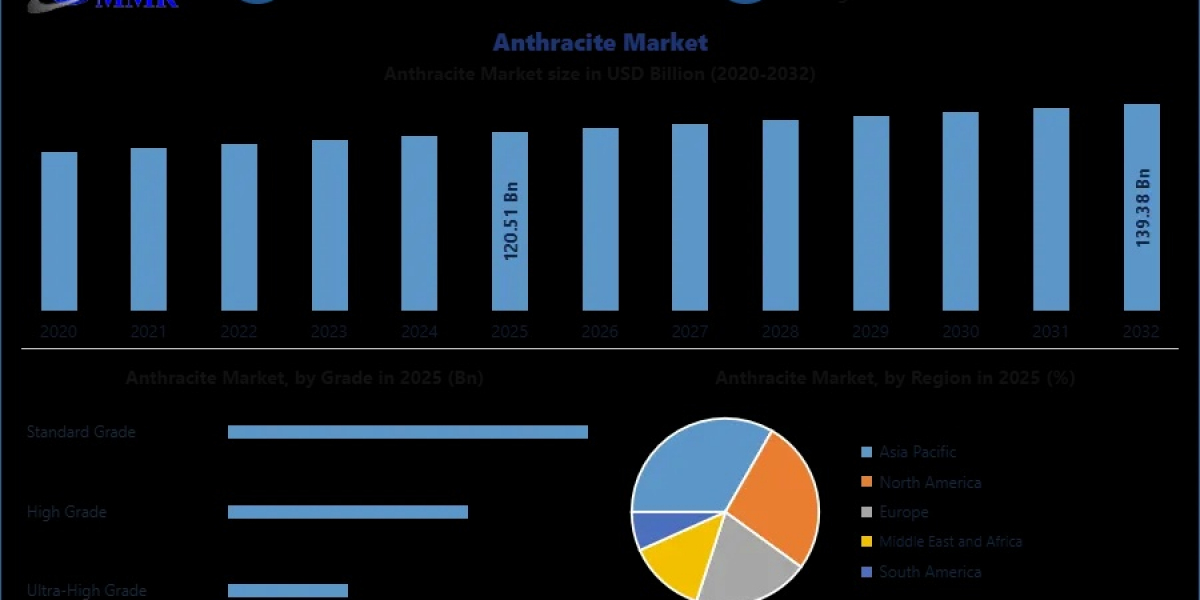 Anthracite Market Opportunities Emerging from Energy Production Needs
The Asia‑Pacific anthracite market is driven by rapid industrialization, robust steel production capacity, and expanding energy demand.
-
 Mastering the Metropolitan Maze The Ultimate Legal Shield for Capital Motorists
Mastering the Metropolitan Maze The Ultimate Legal Shield for Capital Motorists
-
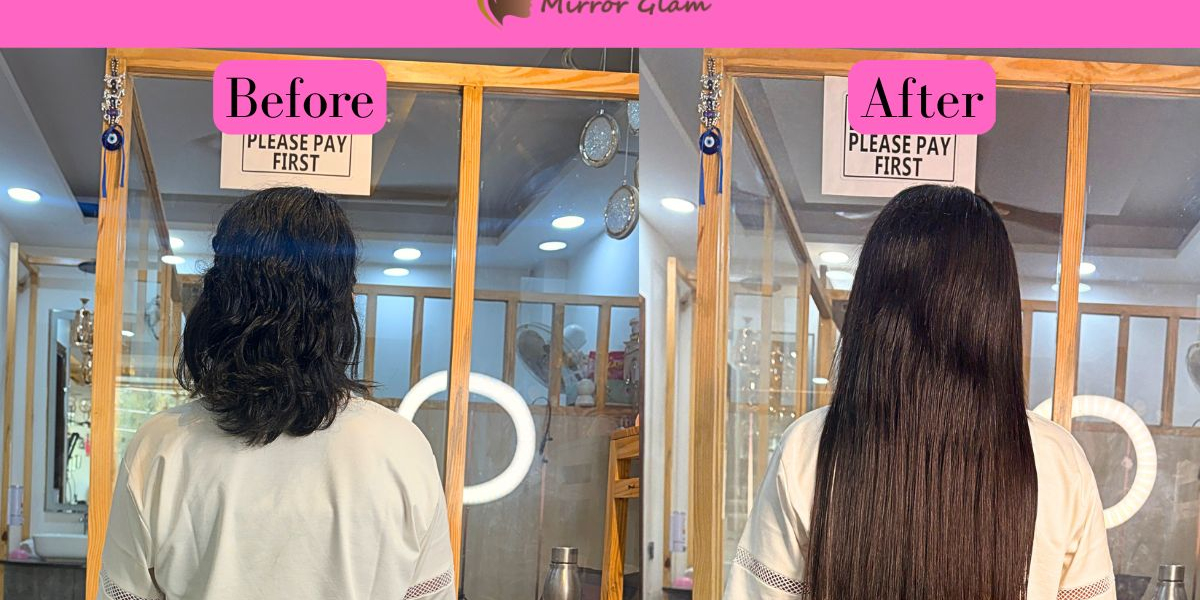 Permanent Makeup in Delhi – Wake Up Beautiful Every Day
Permanent Makeup in Delhi – Wake Up Beautiful Every Day
-
 1st Birthday Invitation Video Maker with Music and Photos
Creating a birthday invitation video online is simple and convenient with myvideoinvites. The platform offers ready made templates and easy editing tools that allow users to create professional looking invitations without technical experience.
-
 The Architecture of Victory: Why the 2026 Border Demands Elite Representation
The Architecture of Victory: Why the 2026 Border Demands Elite Representation
-
 The Apex of Traffic Offenses: Defending Against the Severity of a Dangerous Driving Charge
The Apex of Traffic Offenses: Defending Against the Severity of a Dangerous Driving Charge
-
Portugal Golden Visa: Complete Guide 2026 Benefits
Among the many options available, the Portugal Golden Visa has become one of the most attractive residency-by-investment programs.