
Each year, Dussehra (also known as Vijayadashami) marks the grand culmination of festivities, symbolizing the triumph of good over evil. In 2025, this festival is especially anticipated across India, bringing together devotion, culture, and tradition. In this article, we’ll explore the date, timings, rituals, significance, regional customs, and practical tips for Dussehra 2025.
Being aware of precise timings is essential — many rituals, especially Puja (worship) and burning of effigies, must align with these muhurats for spiritual efficacy.
Dussehra symbolizes the victory of good over evil. Burning effigies of Ravana, Kumbhakarna, and Meghnad (in many regions) is a vivid representation of the destruction of arrogance, cruelty, and negativity.
It also has a moral dimension: the festival reminds us that even mighty evil can fall, and good — when rooted in dharma (righteousness) — will ultimately triumph.
Read Also: Navratri 2025
In many cities, the Ramlila — theatrical enactments of episodes from Ramayana — is staged across the 9 days of Navratri, reaching climax on Dussehra. On the final day, the defeat of Ravana is dramatized, culminating in Ravana Dahan (burning of effigies).
The burning of effigies is the symbolic center of Dussehra in many parts of India. Large effigies of Ravana, his brother Kumbhakarna, and his son Meghnad are built and set ablaze, often with firecrackers, to signal the victory of virtue.
In 2025, the celebrations are expected to be vibrant, combining tradition with modern digital engagement:
Read Also: Karwa Chauth
Dussehra 2025 is not just a day on the calendar — it’s a deep cultural and spiritual event that unites millions in celebration of virtue, tradition, and hope. Whether you attend a grand public gathering or conduct worship at home, aligning with auspicious timings and understanding the rituals can make your observance meaningful.

Vedic Meet
30Blog posts
-
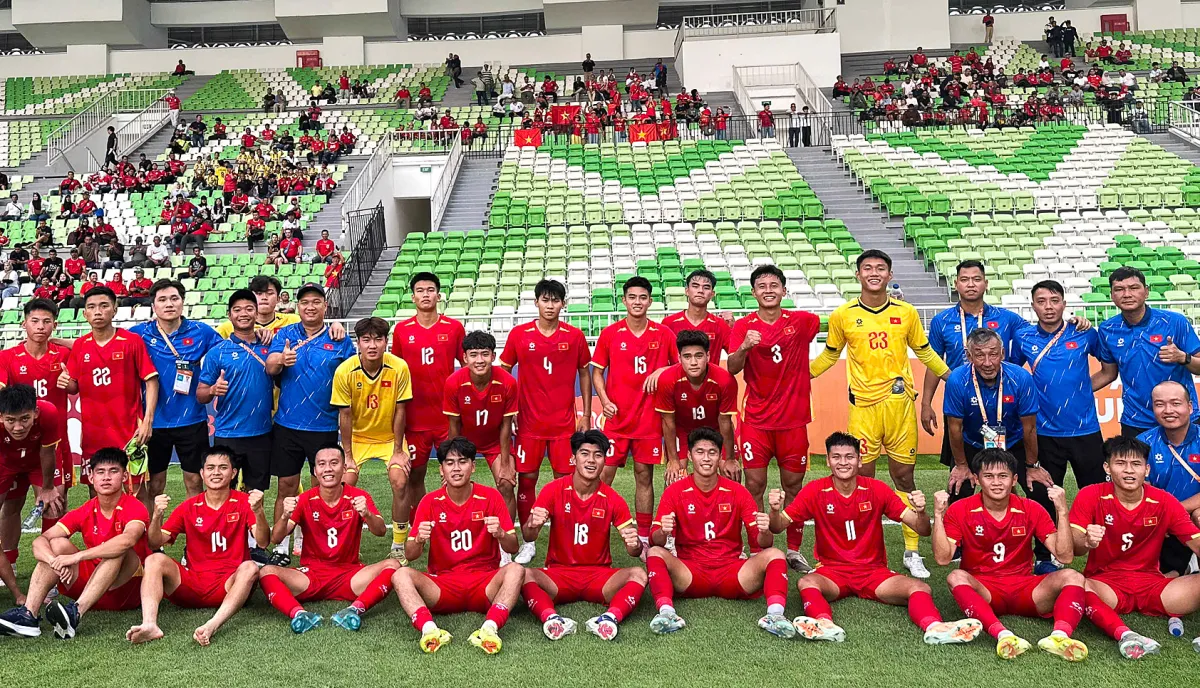 Việt Nam tiếp tục thắng đậm ở giải U19 Đông Nam Á
Tiền đạo Hoàng Công Hậu tiếp tục tỏa sáng giúp Việt Nam hạ Myanmar 5-0 ở lượt hai bảng A giải U19 Đông Nam Á 2026 chiều nay.
-
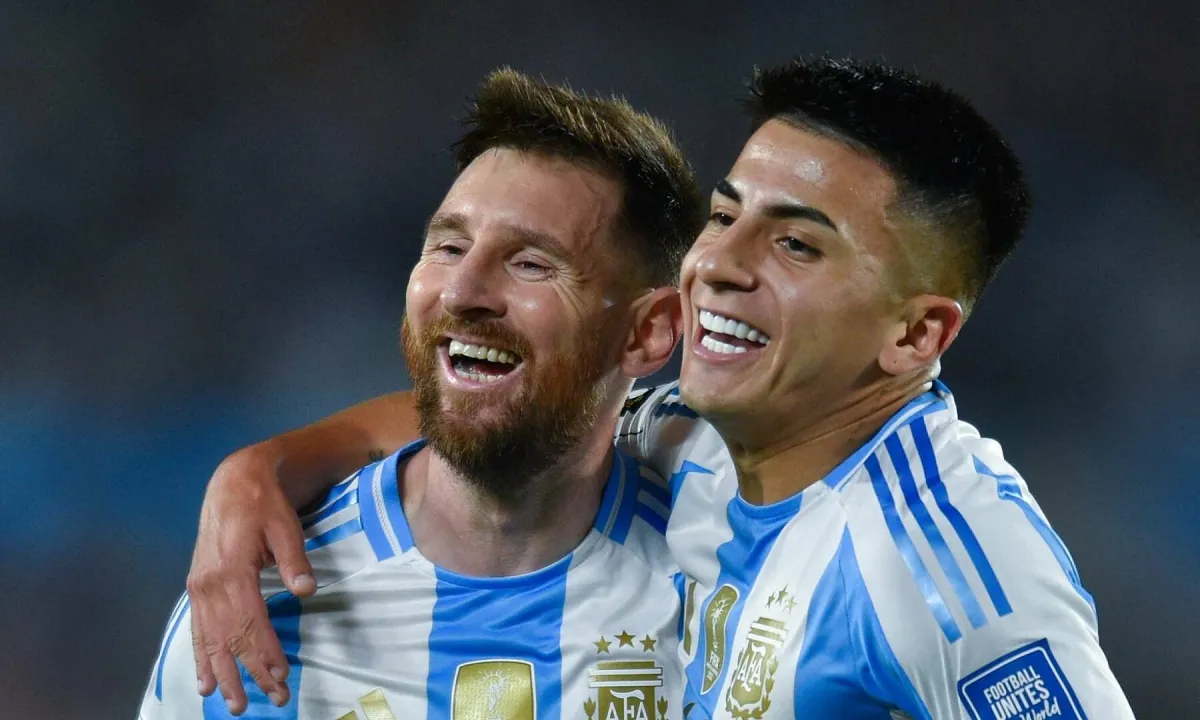 Vì sao Argentina khó bảo vệ thành công World Cup?
Cách chia cặp đấu, lời nguyền dành cho các nhà ĐKVĐ hay sự phụ thuộc quá lớn vào Lionel Messi có thể gây nhiều trở ngại cho Argentina ở World Cup 2026.
-
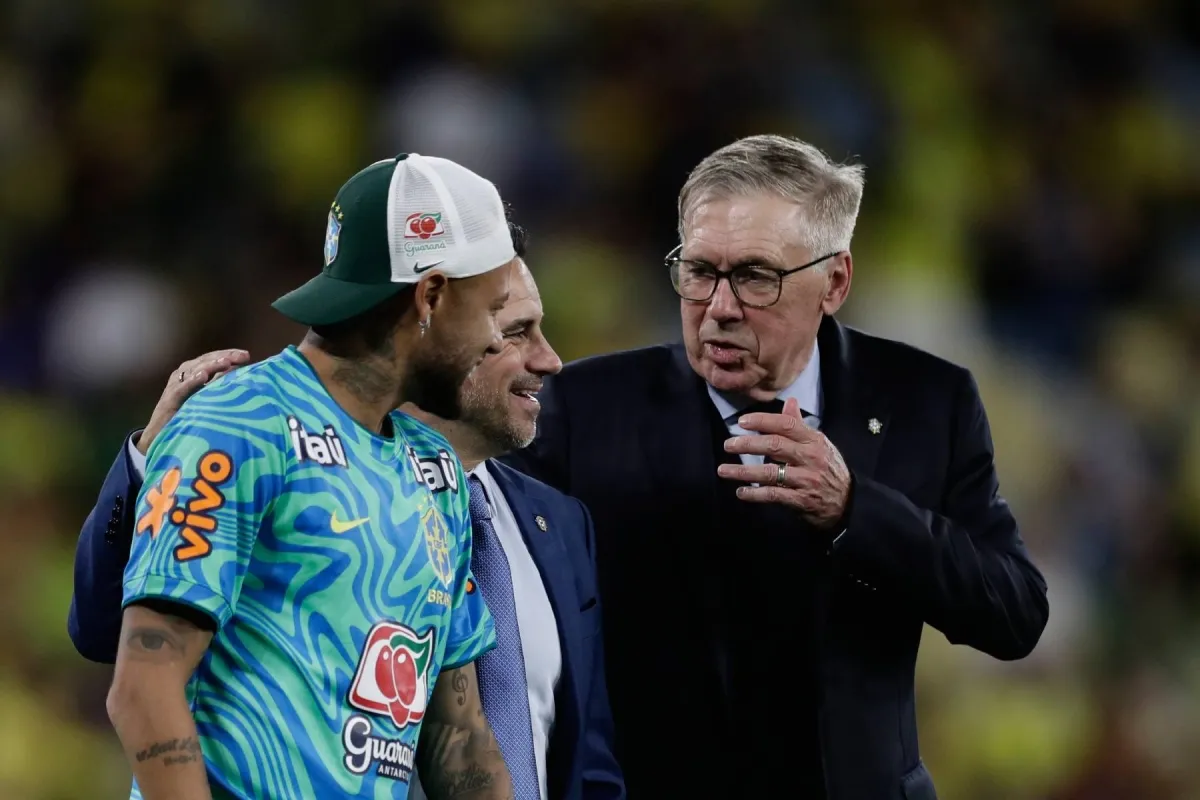 Ancelotti và nhiệm vụ đánh thức người khổng lồ thứ sáu
Trước khi dẫn dắt Brazil, HLV Carlo Ancelotti từng giúp 5 đội bóng trở lại đỉnh cao sau thời gian dài ngủ quên.
-
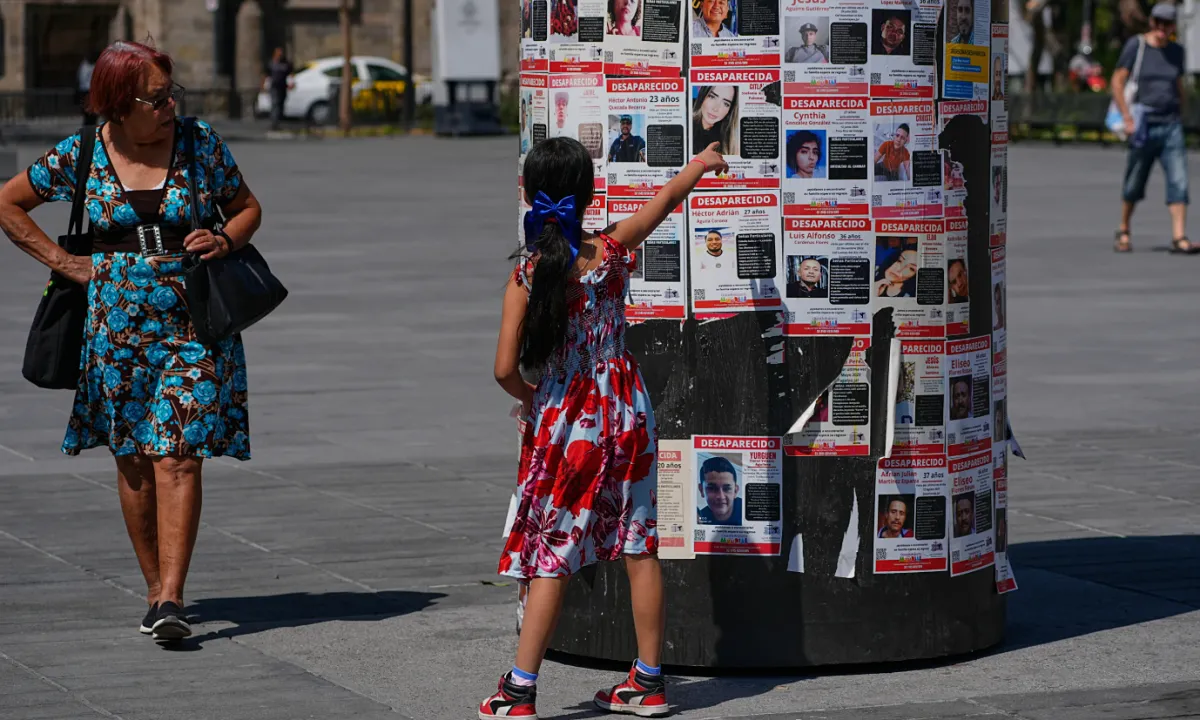 Nỗi ám ảnh bạo lực ở Mexico trước thềm World Cup 2026
Trong khi World Cup 2026 đến gần, hàng chục nghìn gia đình vẫn ngày ngày đi tìm người thân mất tích tại Mexico.
-
 Harry Kane: 'Tôi không thích vỗ ngực tự xưng mình xứng đáng giành Quả Bóng Vàng'
Sau mùa giải bùng nổ với 61 bàn cho Bayern Munich, tiền đạo tuyển Anh Harry Kane chia sẻ trên tờ L’Équipe về tham vọng vô địch World Cup 2026 cùng giấc mơ chinh phục Quả Bóng Vàng.
-
 Cầu thủ gốc Việt dự World Cup 2026 là ai?
Ibrahim Maza, tiền vệ 20 tuổi mang dòng máu Việt Nam và Algeria nằm trong nhóm cầu thủ chuẩn bị tham dự World Cup 2026 cùng đội tuyển Bắc Phi.
-
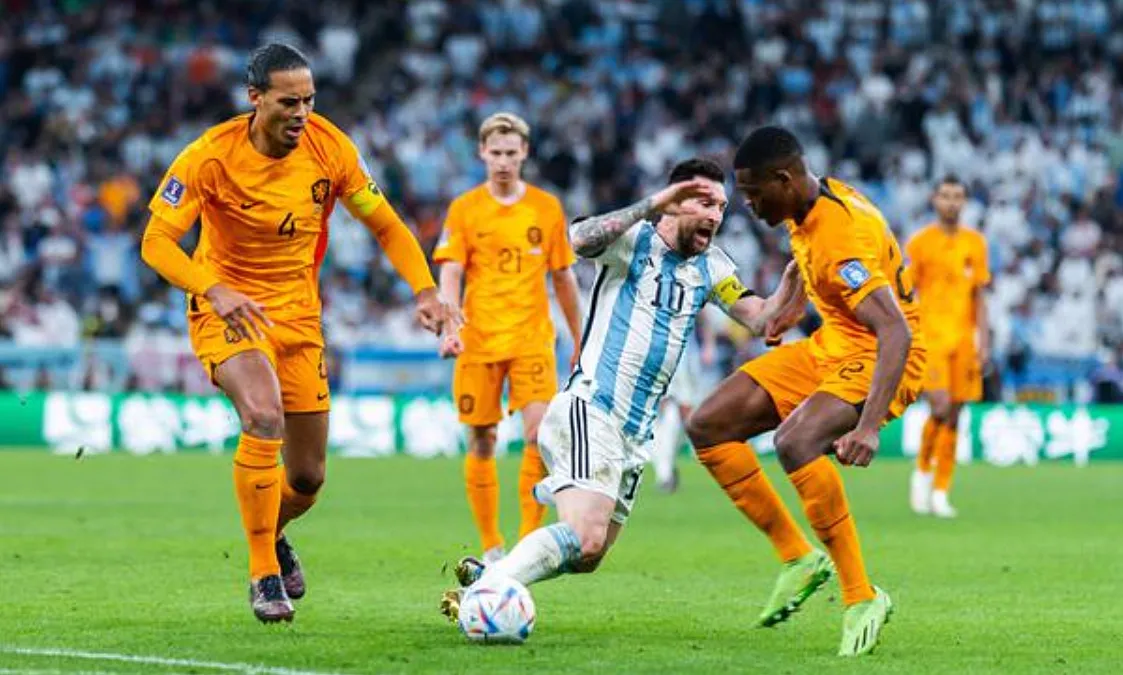 Van Dijk: 'Không phải có cầu thủ giỏi nhất mới vô địch World Cup'
Đội trưởng tuyển Hà Lan Virgil van Dijk tin Hà Lan đang sở hữu sự trưởng thành, kinh nghiệm và tính gắn kết đủ để cạnh tranh chức vô địch World Cup 2026.
-
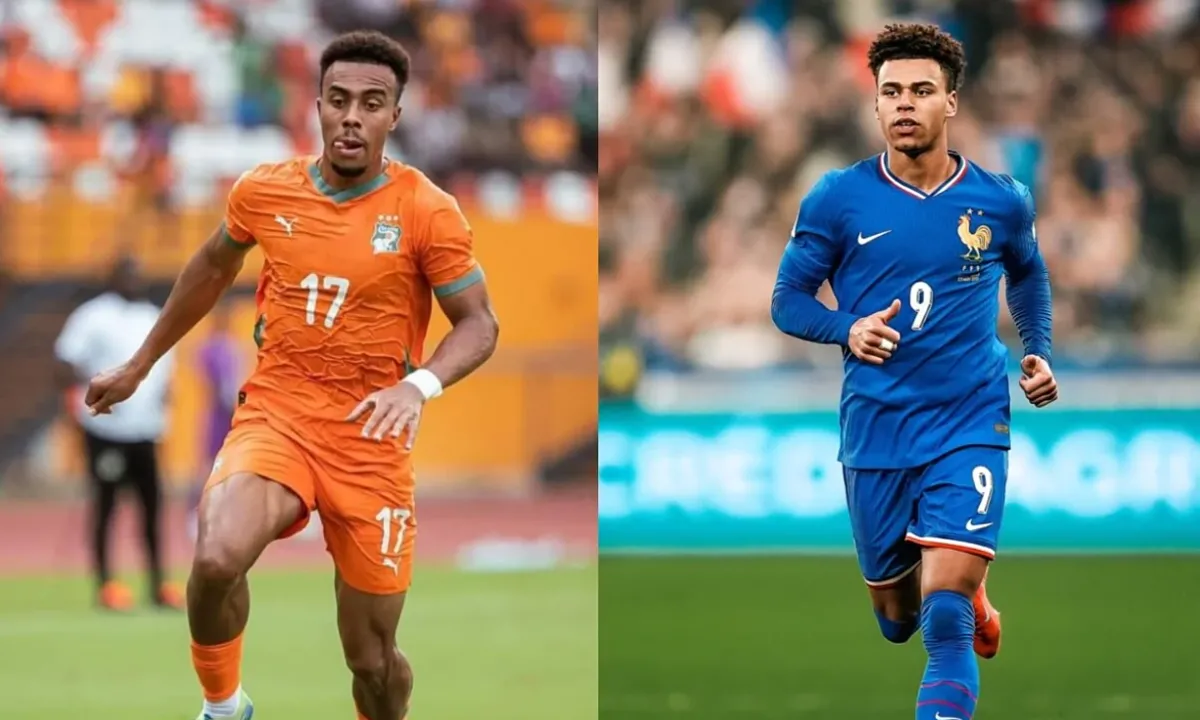 Anh em nhà Doue đi hai ngả tới World Cup 2026
Trong khi Desire Doue khoác áo đội tuyển quê mẹ Pháp, anh trai Guela Doue phụng sự quê cha Bờ Biển Ngà. Cả hai sẽ đối đầu nhau trong một trận giao hữu trước thềm World Cup 2026.
-
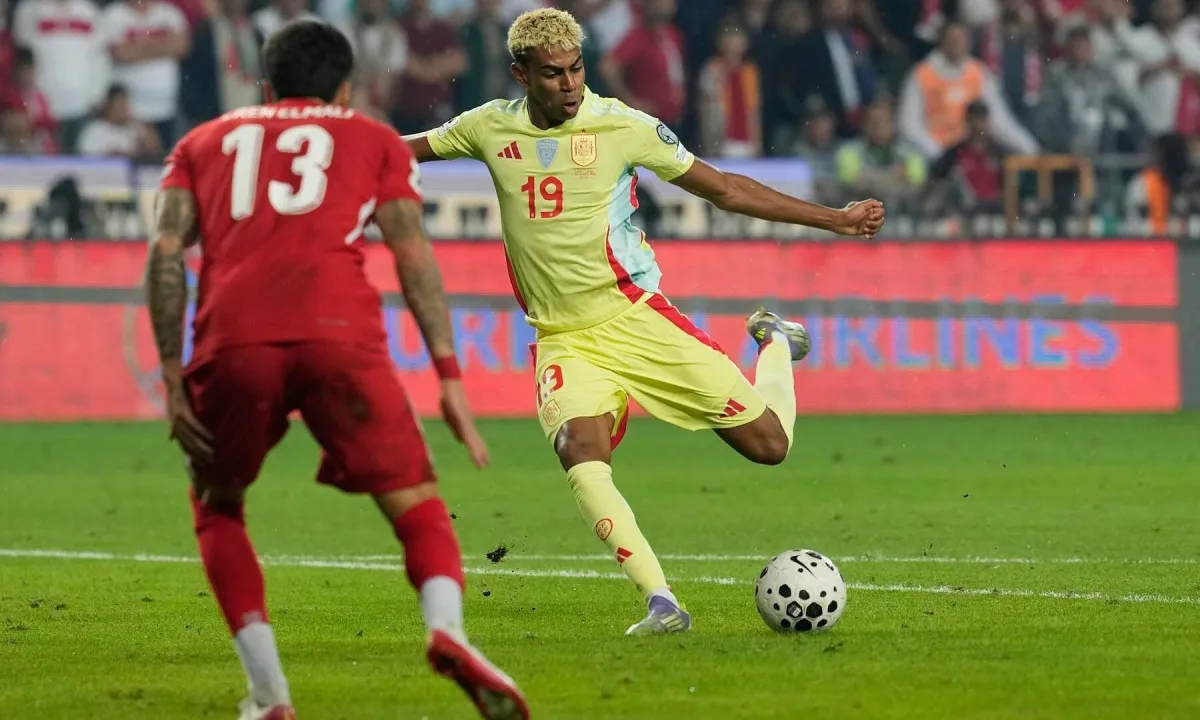 10 cầu thủ U21 chờ tỏa sáng tại World Cup 2026
Lamine Yamal, Joao Neves, Pau Cubarsi hay Desire Doue đều có thể làm nên chuyện tại World Cup 2026 sắp khởi tranh, theo đánh giá của kênh ESPN.
-
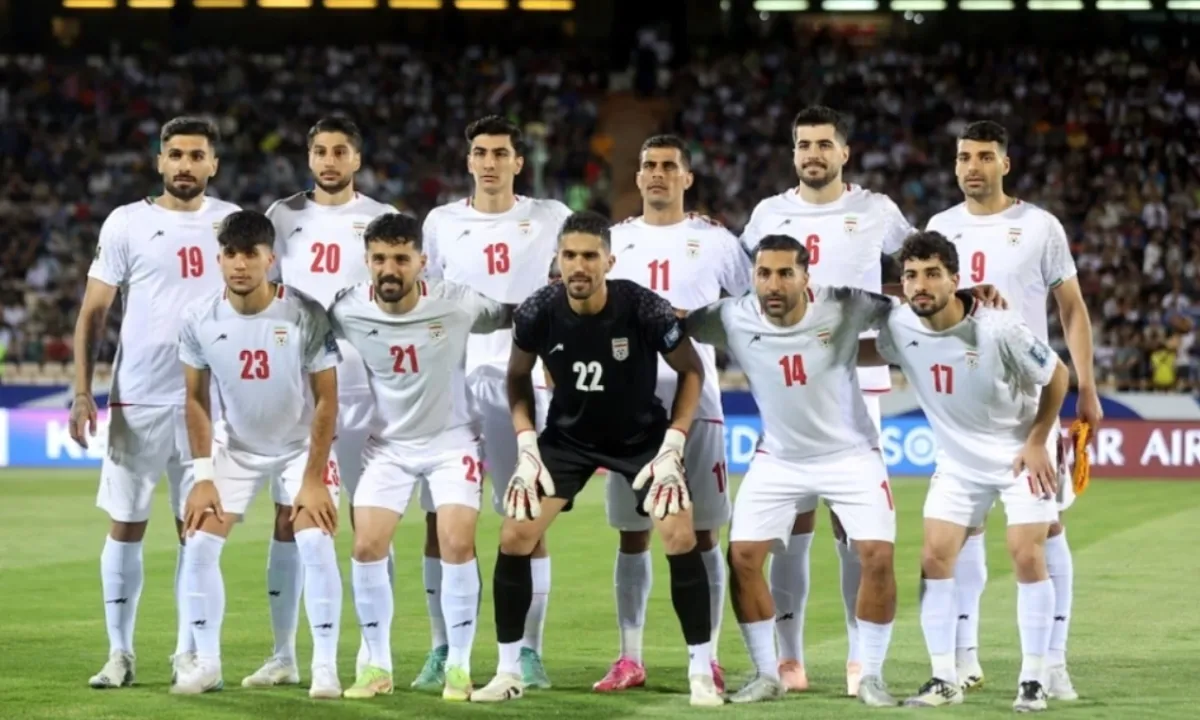 Mỹ theo dõi tuyển Iran dự World Cup 2026
Đồng chủ nhà World Cup 2026 không có vấn đề với các cầu thủ và ban huấn luyện Iran, nhưng sẽ theo dõi chặt chẽ thành phần đoàn nhằm ngăn chặn nguy cơ liên hệ với các tổ chức bị coi là khủng bố.
-
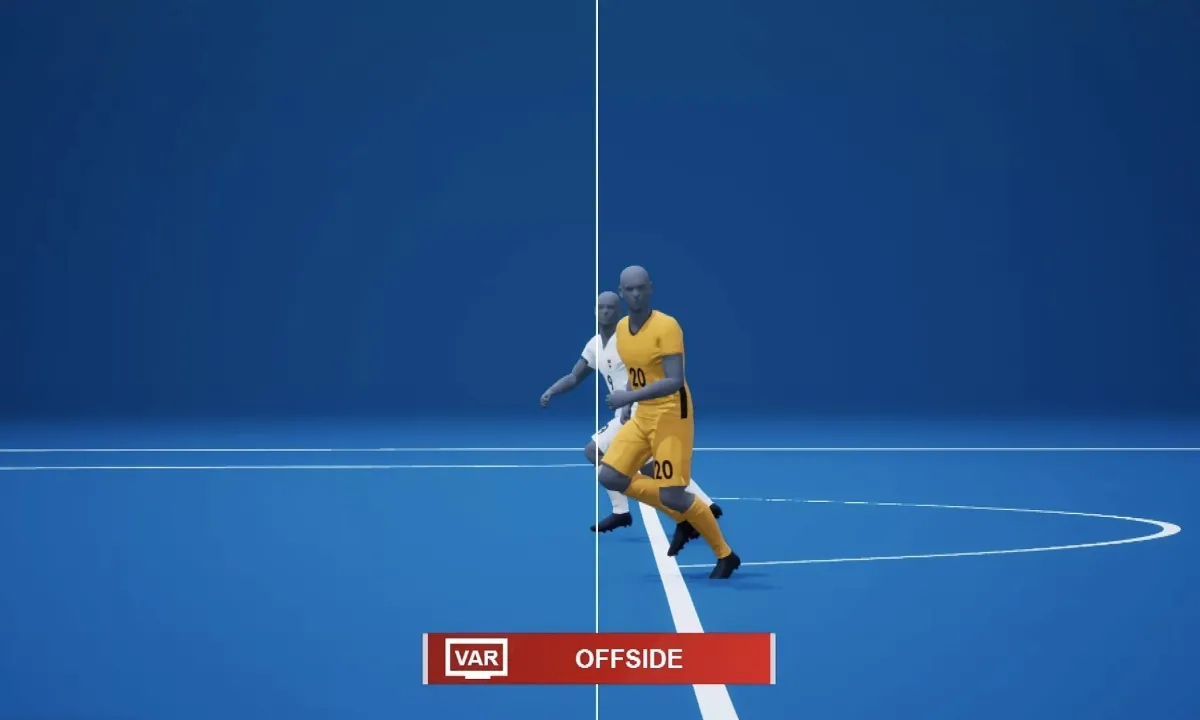 FIFA cải tiến công nghệ bắt việt vị tại World Cup 2026
Hệ thống việt vị bán tự động tại World Cup 2026 được nâng cấp để cảnh báo theo thời gian thực, giúp trợ lý trọng tài không phải chờ tình huống kết thúc mới phất cờ.


