Drain cleaning is a fundamental aspect of home maintenance that helps ensure your plumbing system works efficiently. Over time, drains accumulate debris such as food particles, grease, soap scum, hair, and minerals from water, leading to clogs and slow drainage. Regular drain cleaning prevents these issues, keeps your plumbing system running smoothly, and avoids costly repairs down the road.
Prevents Blockages and Clogs Drains naturally collect various substances that can lead to blockages. Over time, even small amounts of grease, soap, and food particles can accumulate and cause significant blockages. Regular drain cleaning keeps these materials from building up, allowing water to flow freely through your pipes.
Eliminates Foul Odors Trapped debris inside drains can decompose and emit unpleasant odors. These smells can spread throughout your home, making your living spaces uncomfortable. Cleaning your drains regularly helps eliminate these odors, ensuring your home stays fresh and pleasant.
Maintains Hygiene and Health Clogged drains create environments where bacteria, mold, and mildew can thrive. These microorganisms can lead to poor indoor air quality and potential health problems. By regularly cleaning your drains, you reduce the risk of harmful bacteria building up in your plumbing system.
Extends the Life of Your Plumbing System When drains are clogged, water cannot flow freely, which can place unnecessary strain on your pipes and plumbing fixtures. Over time, this pressure can lead to leaks, bursts, or other forms of damage. Regular cleaning helps prevent these issues, prolonging the life of your plumbing system and avoiding expensive repairs.
It’s important to stay aware of the signs that indicate your drains need attention. These include:
While professional drain cleaning services are available, you can try several effective DIY methods to keep your drains clean and clear. Here are a few techniques:
Boiling Water: Pouring boiling water down the drain can help dissolve grease, soap scum, and food particles. This method is particularly useful for kitchen sinks where grease tends to build up.
Baking Soda and Vinegar: This combination is a natural, non-toxic way to clean drains. Pour 1 cup of baking soda down the drain, followed by 1 cup of vinegar. Let it sit for 15-30 minutes, then flush with hot water. The chemical reaction between the two ingredients helps break down debris and clear minor clogs.
Plunger: A plunger is useful for dislodging clogs in toilets, sinks, and tubs. Create a good seal around the drain and plunge several times to force the clog out.
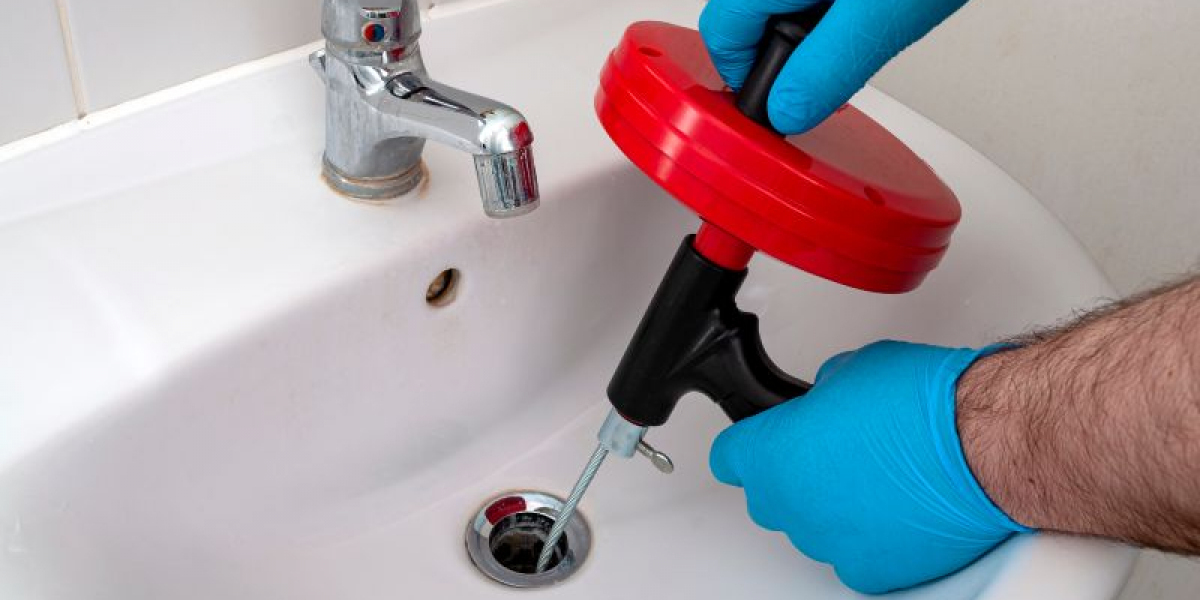
Drain Snake: For more stubborn clogs, a drain snake (or auger) can be a helpful tool. Insert the snake into the drain, twist it to break up the blockage, and pull the debris out.
While DIY methods can work for minor clogs, sometimes the problem is more severe and requires professional intervention. Here are some situations where you should call a plumber:
To keep your drains clean and prevent future clogs, follow these tips:
Drain cleaning is an essential part of maintaining a healthy, efficient plumbing system. Regular cleaning prevents blockages, eliminates odors, promotes hygiene, and protects the integrity of your pipes. By staying vigilant and using the appropriate methods, whether DIY or professional, you can keep your drains running smoothly and avoid costly plumbing repairs.

white rose
125 posts
-
 Косметика BILOU: Ніжність та Аромати Догляду за Шкірою
Магазин косметики EOS.KIEV.UA
-
 Moderns Adventure Gear: Navigating the Wilderness with Style and Substance
Moderns Adventure Gear emerges as a beacon in the realm of outdoor exploration, seamlessly blending style with substance to create a distinctive narrative in the world of wilderness navigation. In this exploration, we delve into how Moderns infuses each piece of gear with a touch of elegan
-
 Ring in the New Year with Stunning Lingerie Embrace Elegance and Confidence
The holidays are approaching, when we are looking for great gifts for ourselves and our loved ones. This is the time when we all want to look and feel special.
-
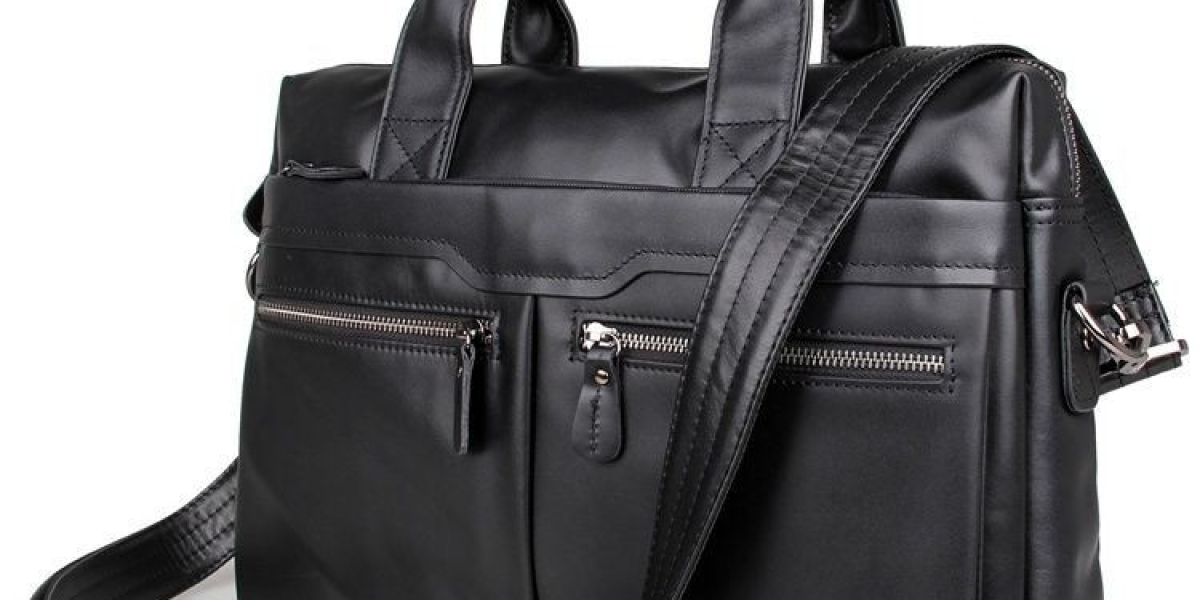 Unveiling Timeless Elegance - The Essence of Seven Bags
Indulge in the epitome of style with Seven Bags – where timeless elegance meets unparalleled craftsmanship. Since 2012, this Ukrainian brand has redefined fashion, offering a unique blend of sophistication and individuality. From classic designs to bold statements, each bag is a masterpi
-
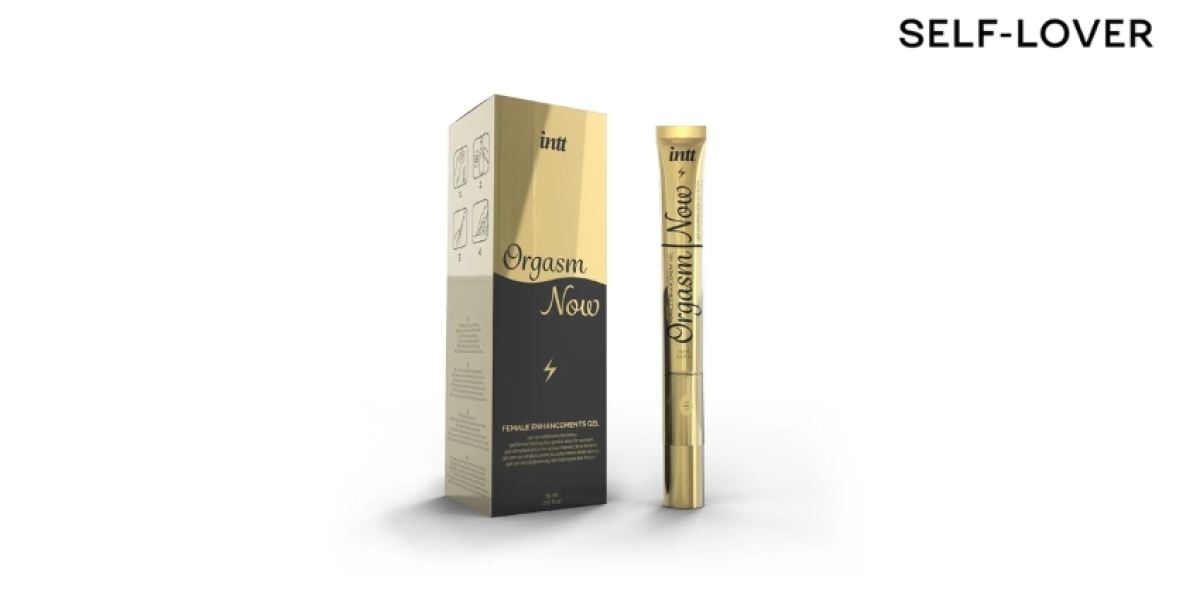 Світ Вакуумних Стимуляторів: Відкриваємо Двері до Нових Насоло
Вакуумні стимулятори відкривають перед жінками не тільки двері до нового світу задоволення, але й допомагають їм відкривати власні бажання та фантазії. Ці ін
-
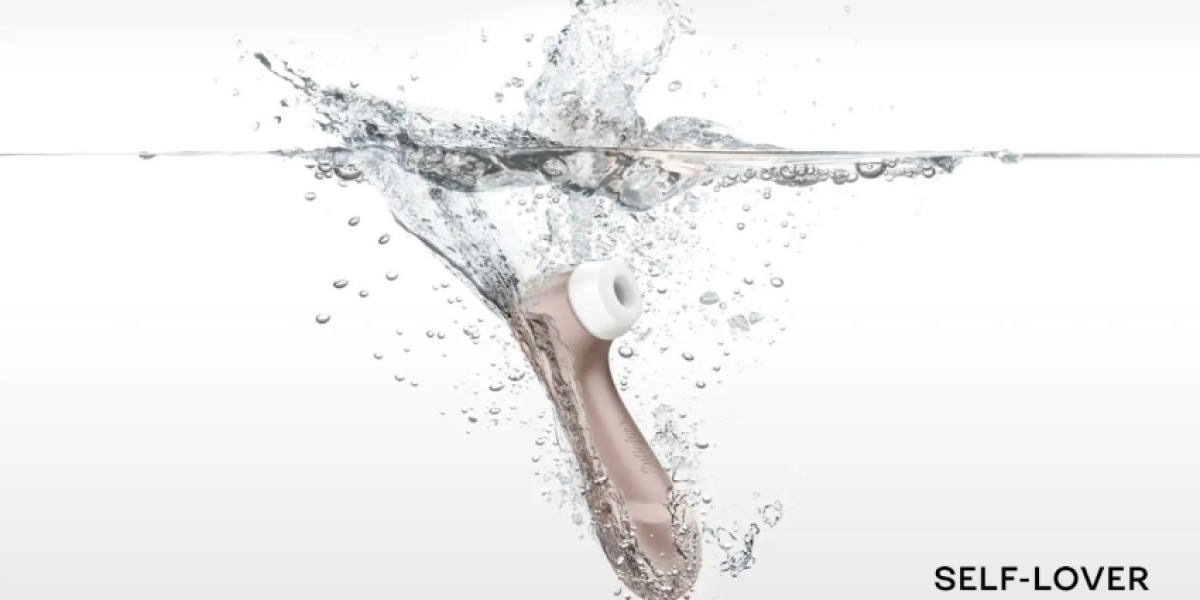 Стимулятори в Інтимному Досвіді: Тенденції та Інновації
У світі інтимних стимуляторів, де кожен може знайти щось унікальне та стимулююче, тенденції надають нам можливість вдосконалювати наше інтимне життя та виби?
-
 Cyprus flowers
Cyprus is home to a wide variety of daisies.
-
 Funeral Card Messages
Parents are the dear loved ones in anyone's life, and missing one of them is pretty painful.


