Running a fleet in North Florida isn’t just about keeping freight moving up and down I-95 or out to the ports. It’s about making sure every truck can pass a DOT truck inspection, Jacksonville, Florida, without slowing you down. Whether you’re an owner-operator with two rigs or managing a larger fleet, inspections are part of the game. Fail one, and you’re looking at downtime, fines, and frustrated customers. Pass it, and your trucks stay on the road, your drivers stay happy, and your reputation for reliability grows stronger.
This guide walks you through why inspections matter in Jacksonville, the common reasons trucks fail, and what practical steps you can take to keep your operation running smoothly.
Why DOT Inspections Matter in Jacksonville
Jacksonville is a logistics hotspot. Between the port, the rail lines, and major highways like I-95, I-10, and I-295, the city is a constant flow of freight. With so much truck traffic, DOT officers are strict about inspections. Their job is to make sure trucks are safe, but for fleet owners, the stakes are higher:
- Lost time: A truck parked for even a few hours throws off delivery schedules.
- Unexpected costs: Failures can mean unplanned repairs and tow bills.
- Lower CSA scores: Bad marks follow you and can hurt your chances with brokers and shippers.
- Driver stress: Nobody likes dealing with roadside delays, especially on tight deadlines.
Passing a DOT truck inspection, Jacksonville, Florida, isn’t just about compliance; it’s about protecting uptime, avoiding headaches, and keeping your customers satisfied.
The Different Levels of DOT Inspections
Not all inspections are equal. The Federal Motor Carrier Safety Administration (FMCSA) recognizes six levels, but in Jacksonville, you’ll mostly run into these:
- Level I – Full Inspection
The most thorough one. Inspectors check everything from driver documents (CDL, medical card, ELD logs) to truck components (brakes, tires, suspension, lights). - Level II – Walk-Around Inspection
Similar to Level I, but inspectors don’t go under the truck. They’ll check visible parts and paperwork. - Level III – Driver-Only Inspection
Focuses on the driver credentials, hours of service, medical card, and trip logs. - Level V – Vehicle-Only Inspection
A full truck inspection, but without the driver present.
If your trucks move through Jacksonville often, expect Level I and II inspections the most.
Top Reasons Trucks Fail in Jacksonville
Fleet owners know the sting of an unexpected “out of service” order. Most failures come down to basics:
- Brake problems – Worn pads, air leaks, or out-of-adjustment brakes.
- Tires – Low tread depth, underinflation, or mismatched tires.
- Lights – Burned-out bulbs, bad wiring, or faulty connectors.
- Load securement – Loose straps or improperly balanced cargo.
- Driver paperwork – Outdated med cards, missing logs, or incorrect hours of service.
- Registration and insurance – Expired or incomplete documents.
The frustrating part? Most of these issues could be caught earlier with pre-trip checks and preventive maintenance.
How to Prepare for DOT Inspections
The best defense is a strong routine. Here are practical steps every fleet manager or owner-operator should put in place:
- Daily Pre-Trip Inspections
Train drivers to check brakes, tires, lights, and load securement before leaving the yard. Small issues fixed early save big money later.
- Preventive Maintenance Schedule
Don’t wait for breakdowns. Stick to a maintenance routine: oil changes, brake checks, and filter swaps. A predictable schedule means fewer roadside surprises.
- Organized Paperwork
DOT officers don’t want excuses. Keep driver credentials, registration, insurance, and inspection reports easy to grab. Many fleets keep binders in each cab or use digital storage.
- Train Drivers to Handle Inspections
Drivers should know what to expect and how to interact respectfully with inspectors. A confident driver can help the inspection go faster and smoothly.
- Use Tech Tools to Stay Ahead
ELD systems, inspection apps, and maintenance tracking software can catch mistakes before they cost you. Jacksonville fleets are increasingly turning to mobile solutions because they cut paperwork and save time.
What If You Fail an Inspection?
Failure happens, but it’s not the end of the world. What matters is how quickly you bounce back.
- Minor violations may only mean warnings or small fines.
- Serious safety issues can park your truck until repairs are made.
- Repeat failures drag down CSA scores and can raise insurance premiums.
If a truck fails, document the fix and get it repaired immediately. Many inspectors in Jacksonville may even follow up to make sure the issue was handled.
The ROI of Staying Inspection-Ready
Every hour of downtime costs money, fuel is wasted, loads are delayed, and drivers are waiting. One Jacksonville-based fleet reported that after tightening its preventive maintenance schedule, it cut roadside inspection failures by 30%. That translated to fewer missed loads, better driver morale, and more consistent cash flow.
For the Logistics Hustler, the return on investment is simple: spend a little upfront on maintenance and training, and you save big by avoiding the chaos of failed inspections.
Finding the Right Repair Partner in Jacksonville
Even the best fleets hit bumps in the road. When that happens, the difference comes down to who you call. Look for a partner that:
- Provides 24/7 roadside service in and around Jacksonville.
- Knows DOT rules and can prioritize inspection-related fixes.
- Stocks common parts to keep downtime short.
- Has experience with both heavy-duty and medium-duty trucks.
Having a reliable repair partner means you’re not scrambling when an inspector flags something you missed.
Final Thoughts
For fleet owners and managers, a DOT truck inspection, Jacksonville, Florida, doesn’t have to be a roadblock. It’s a checkpoint that can either stall your business or keep it running strong. With daily pre-trip inspections, a solid maintenance plan, organized paperwork, and the right repair partner, you can turn inspections from a headache into just another routine.
The more you prepare, the less likely you’ll lose time, money, or drivers to unexpected downtime. In the fast-paced Jacksonville freight lanes, passing inspections is one of the simplest ways to stay ahead of the competition and keep your trucks and your business rolling.

john micheal
1 posts
-
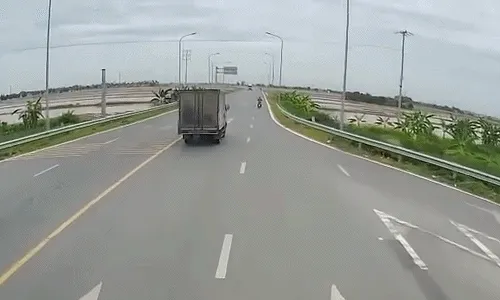 Taxi và xe tải lao xuống ruộng sau cú tông trời giáng
Lao tốc độ cao qua ngã tư, chiếc xe taxi tông thẳng vào đuôi xe tải phía trước rồi cả hai rơi xuống ruộng, hôm 19/6 tại Thanh Miện.
-
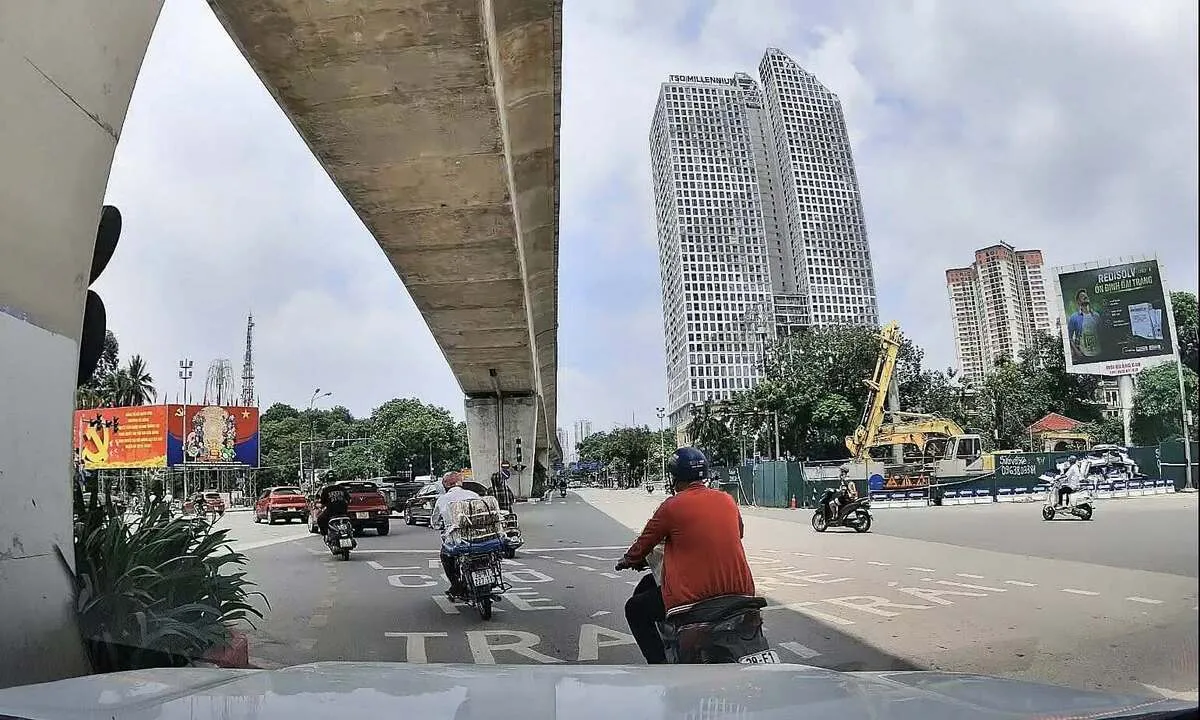 Có bị tính vượt đèn đỏ khi chờ ở làn rẽ trái không?
Khi đến ngã tư đèn đang đỏ, nhưng làn chờ rẽ trái vẽ nối tiếp lên phía trước, tôi có được vượt qua vạch. (Tuấn Anh)
-
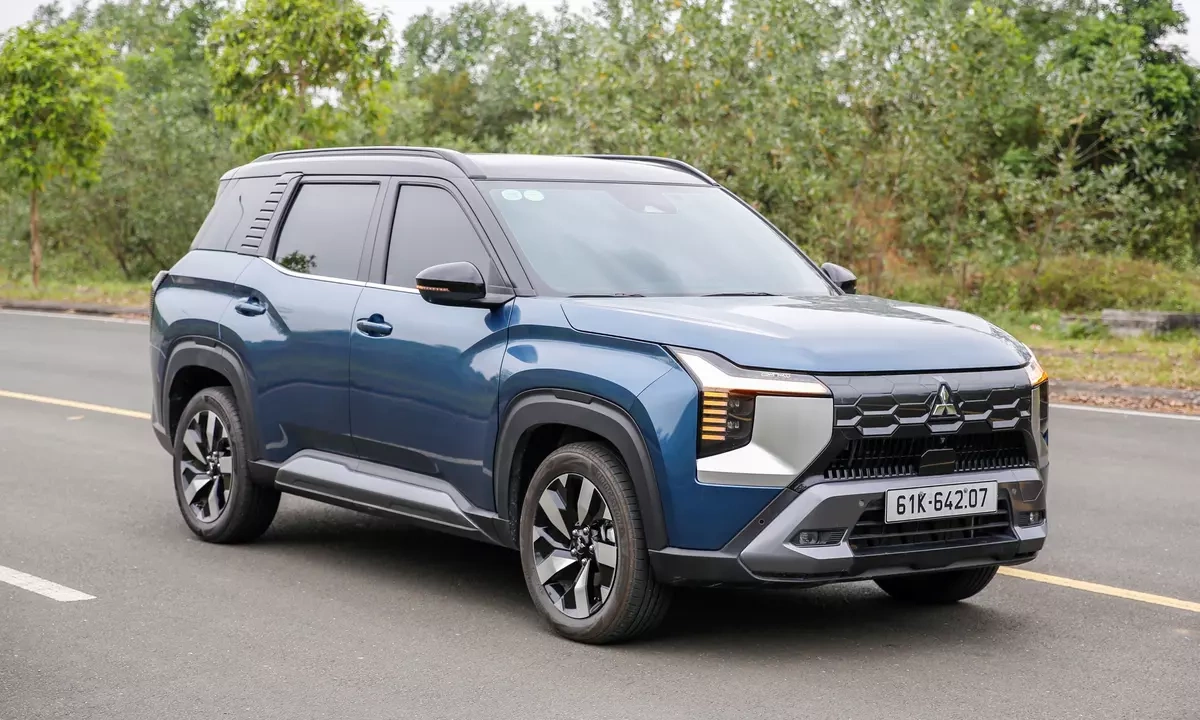 Những lựa chọn ôtô 7 chỗ cho gia đình đông con từ 1/7
Quy định bắt buộc lắp ghế trẻ em từ 1/7 khiến nhiều khách hàng có nhu cầu lựa chọn MPV hay SUV 7 chỗ thay vì xe 5 chỗ.
-
 Sếp Toyota: 'Một mẫu xe có quá nhiều phiên bản'
CEO Kenta Kon cho rằng Toyota đang tạo ra quá nhiều biến thể của cùng một sản phẩm nên một số mẫu có thể bị loại bỏ.
-
 Xe Toyota sẽ cắt giảm số lượng phiên bản
CEO Kenta Kon cho rằng Toyota đang tạo ra quá nhiều biến thể của cùng một sản phẩm nên một số mẫu có thể bị loại bỏ.
-
 Audi triệu hồi e-tron, Q8 e-tron nghi lỏng bàn đạp phanh
Tổng 9 xe nằm trong đợt triệu hồi có thời gian sản xuất từ 2/2/2018 đến 11/6/2024 được nhập khẩu và phân phối chính hãng tại Việt Nam.
-
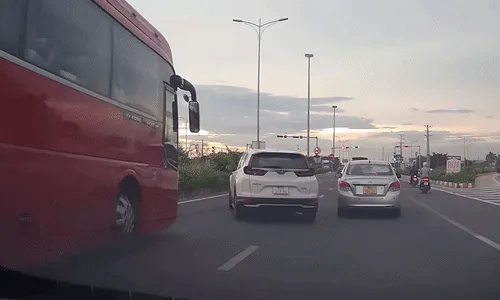 Xe con chuyển làn bị xe khách tông: ai sai?
Bật xi-nhan, xe con chuyển sang làn đường sát dải phân cách thì xe khách lao tới.
-
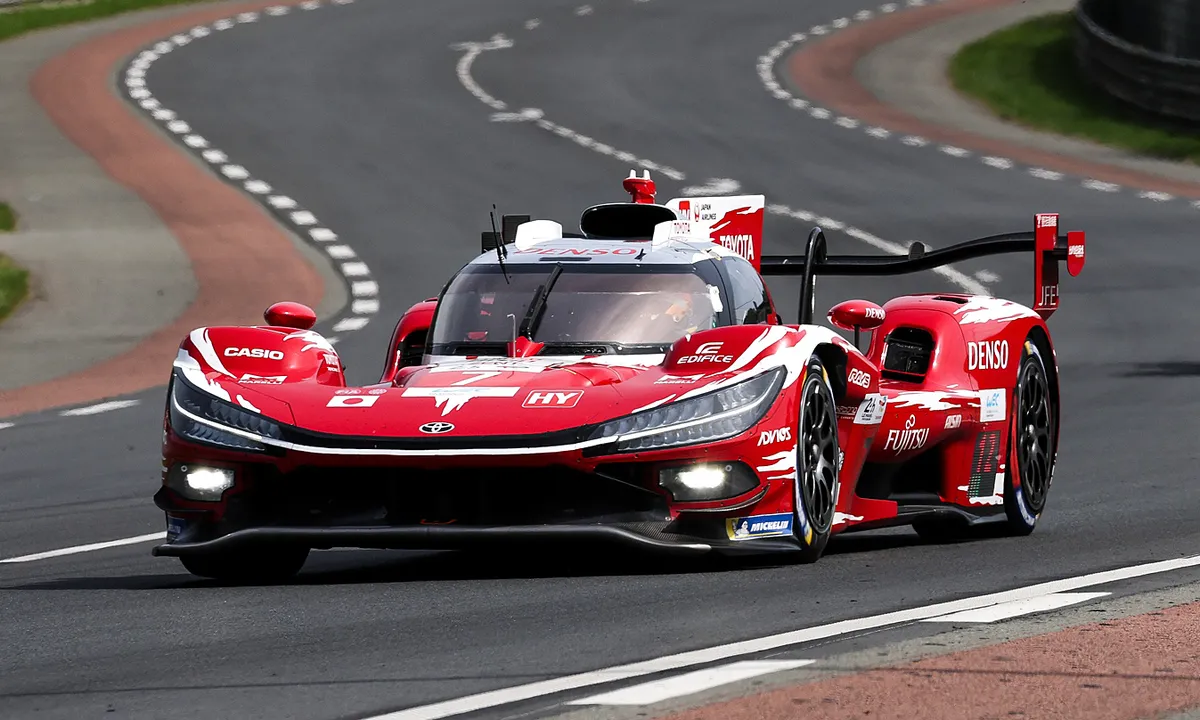 Toyota TR010 Hybrid - tinh hoa công nghệ của hãng xe Nhật
Mẫu xe đua hybrid sử dụng hàng loạt công nghệ vật liệu cùng động cơ hybrid để về đích nhanh nhất nhưng vẫn đảm bảo ổn định sau 24 giờ.
-
 Thaco Auto và Stellantis mở rộng chiến lược đa thương hiệu
Sự kiện giới thiệu bộ đôi thương hiệu Jeep, Ram, hai dòng Peugeot 3008 và 5008 mới, xác lập cột mốc chiến lược trong quan hệ hợp tác Thaco Auto và Stellantis.
-
 Omoda C5 thêm bản Sport giá 559 triệu đồng
Mẫu xe gầm cao cỡ B bổ sung lựa chọn cho khách hàng Việt, bản Sport mới trang bị nhiều tính năng.
-
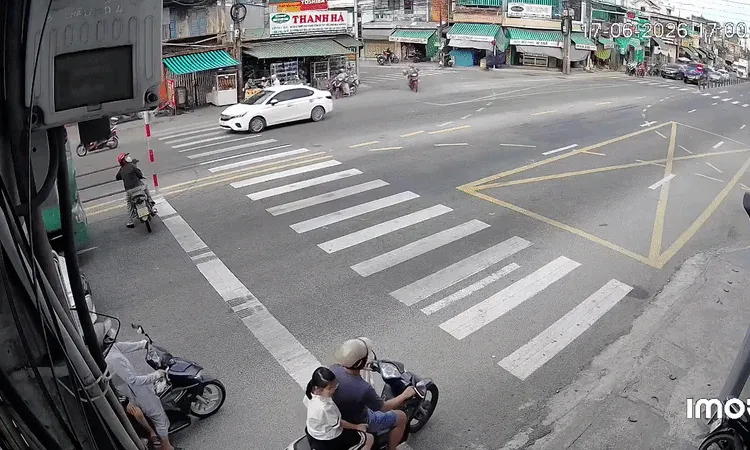 Chờ đèn trước đầu xe tải, người phụ nữ bị cuốn vào gầm
Quay ngang xe máy dừng chờ đèn đỏ trước đầu xe tải, khi đèn chuyển xanh, người đi xe máy gặp nạn.


