When it comes to improving your home’s water quality, residential hybrid water softeners offer a smart and efficient solution. These systems combine the best features of traditional water softeners and filtration units, delivering softened and conditioned water throughout your home. Whether you’re tired of hard water stains, clogged appliances, or unpleasant odors, investing in a hybrid system can make a world of difference. We’ll explore what makes residential hybrid water softeners unique, how they work, their benefits, and why they’re a great choice for modern households.
Residential hybrid water softeners are advanced systems designed to remove hardness-causing minerals like calcium and magnesium from your water while also filtering out unwanted contaminants such as chlorine, sediment, and organic compounds. By combining a water softener and a filtration system into one unit, hybrid systems offer enhanced water treatment capabilities in a single, space-saving appliance. These systems are ideal for households that want both soft water and better-tasting, odor-free water without having to install multiple devices.
The magic behind residential hybrid water softeners lies in their dual-function design. Here's a breakdown of how they operate:
Water Softening Process: The system uses ion exchange technology to remove hardness minerals. Sodium or potassium ions replace the calcium and magnesium ions, effectively softening the water.
Water Filtration Process: Simultaneously, the hybrid system filters the water to remove chlorine, sediment, and other impurities that can affect taste and odor. This filtration process often uses activated carbon or other advanced filter media.
Regeneration Cycle: Like traditional softeners, hybrid systems periodically regenerate by flushing the mineral tank with a saltwater solution. This process cleans the resin beads so they can continue softening effectively.
The result? Soft, clean, and fresh-tasting water from every tap in your home.
Investing in residential hybrid water softeners offers numerous benefits beyond simply eliminating hard water. Let’s take a closer look at how these systems can enhance your home and lifestyle:
Instead of installing separate systems for water softening and filtration, hybrid units combine both technologies into one. This saves space, reduces installation costs, and simplifies maintenance.
Hard water is notorious for damaging appliances like dishwashers, washing machines, and water heaters. By removing scale-forming minerals, residential hybrid water softeners help extend the life of your appliances and reduce repair costs.
Chlorine and organic contaminants can make your tap water taste and smell unpleasant. The filtration element in a hybrid system removes these impurities, giving you cleaner, better-tasting water.
Soft water is gentler on your skin and hair. Many users notice fewer skin irritations and softer hair after switching to a hybrid water softener.
Appliances running on hard water become less efficient over time due to scale buildup. With residential hybrid water softeners, your water-using appliances operate more efficiently, potentially lowering your monthly energy bills.
Soft water allows soap and detergent to lather more easily, meaning you can use less and still get the same (or better) cleaning results. This not only saves money but is also more environmentally friendly.
Residential hybrid water softeners are ideal for homeowners who:
Live in areas with hard water and municipal water that may contain chlorine or other contaminants.
Want to simplify their water treatment setup with a single, dual-function system.
Seek a more eco-friendly solution by reducing the use of cleaning products and conserving appliance efficiency.
If your water tastes strange, causes spots on your dishes, or leads to frequent appliance issues, it may be time to explore the benefits of a hybrid system.
Installing residential hybrid water softeners typically involves connecting the system to your home’s main water line, often in the garage or utility room. Professional installation is recommended to ensure proper setup and optimal performance.
Maintenance usually includes:
Refilling the salt tank (for regeneration).
Periodically checking and replacing the filter media.
Inspecting the system for any issues every few months.
Thanks to their combined design, hybrid units generally require less maintenance than running two separate systems.
Eco-conscious homeowners will be pleased to know that residential hybrid water softeners offer several environmental advantages. These include:
Reduced chemical usage: Since you need fewer cleaning and personal care products, you’ll introduce fewer chemicals into your wastewater.
Less waste: A single system generates less waste than operating separate units for softening and filtration.
Energy efficiency: With scale-free plumbing and appliances, your home’s energy consumption can be reduced.
For households looking to balance performance with sustainability, a hybrid system is an excellent choice.
At Rayne Water, we specialize in providing top-tier residential hybrid water softeners designed to meet the demands of today’s households. With decades of experience and a commitment to quality, our systems are built for performance, reliability, and long-term savings.
What sets us apart:
Professional installation and service
Custom solutions for your unique water needs
Ongoing support and maintenance
Advanced filtration and softening technology in every unit
By choosing Rayne Water, you’re investing in better water, better health, and a better home.
Residential hybrid water softeners offer a comprehensive solution for homeowners who want both soft and filtered water. By combining two powerful technologies into one efficient unit, hybrid systems save space, reduce maintenance, and improve water quality throughout your home. From preserving your appliances to enhancing your shower experience, the benefits are clear. If you’re tired of hard water problems and want an all-in-one solution, it’s time to consider a hybrid water softener from Rayne Water.

Rayne Water
1 posts
-
 Top Tips to Rid Your Home of Spring Pests – Number 7 Is the Worst!
Seasons are not a factor for Zealux, the unrelenting innovator in heat pump technology. With Zealux, heat pump wholesalers are guaranteed consistent comfort throughout every season.
-
 10 Eco-Friendly Packing Supplies to Consider for Your Next Move
Indulge yourself in the pure joy of precisely heated waters, making your pool into a relaxing and pleasurable retreat with zealux pool heat pump.
-
 Key Factors Affecting Solar Panel Payback Periods: What You Need to Know
Submerge yourself in warm water provided by a Zealux pool heat pump, enabling the winter's enchantment to enhance your life.
-
 Finding the Right Age and Approach to Teach Your Child Swimming
Submerge yourself in warm water provided by a Zealux pool heat pump, enabling the winter's enchantment to enhance your life.
-
 How to Set Up Your New Home: The Top 17 Must-Have Purchases
With Zealux pool heat pump, the water becomes a realm of endless excitement, where fun knows no limits. Join the Zealux family and let the pool become a playground of treasured memories.
-
 Exploring Zealux's Sustainable Heating Solutions : 365 Days Green Home
Submerge yourself in warm water provided by a Zealux pool heat pump, enabling the winter's enchantment to enhance your life.
-
 13 Pet-friendly Alternatives to Traditional Holiday Decorations
Zealux constantly provides top-notch service for homes as the renowned HVAC expert in the air source heat pump industry. You can rely on Zealux for impeccable comfort, dependability, and competence that enhance your home's ambiance to the highest level.
-
 What Is the Heat Pump Tax Credit for 2024: A Comprehensive Guide
Craft an inviting haven for children effortlessly with Zealux's advanced air source heat pump. As a trusted heat pump manufacturer, Zealux ensures a warm, cozy, and delightful atmosphere where kids flourish and laughter abounds.
-
 What Attracts Centipedes? 10 Tips to Keep Them Away
With the aid of Zealux Heat Pump, you could turn your pool fantasy a reality! Consult Zealux, your trusty heat pump supplier, for turning your pool into a genuine aquatic paradise.
-
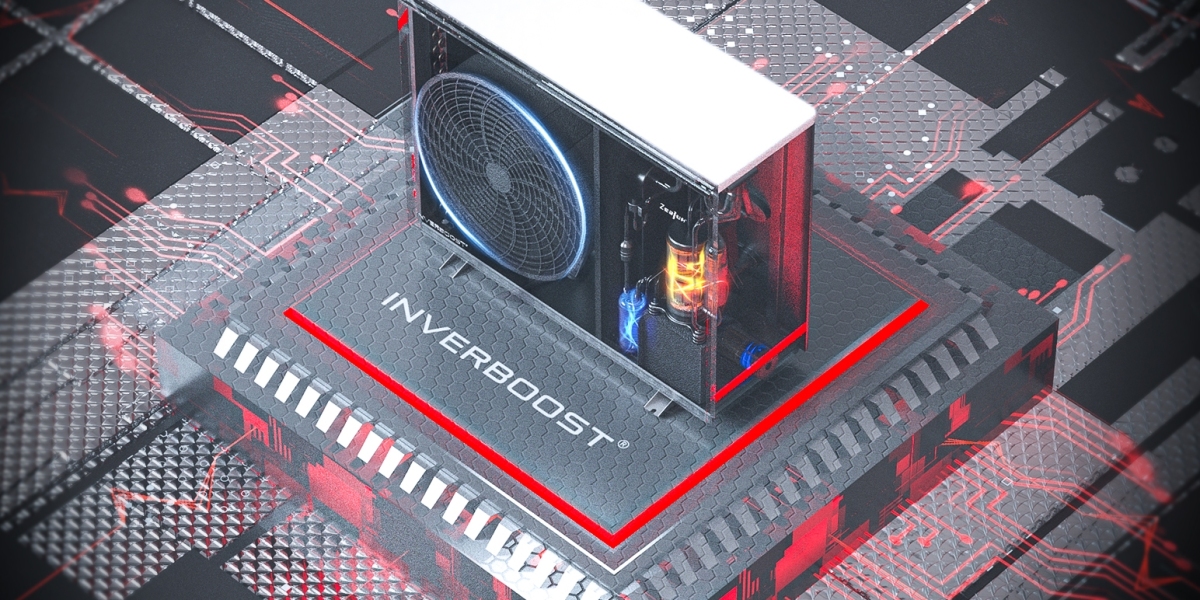
 ZEALUX Unveils Inverboost Technology in Heat Pump at MCE the International Tradeshow
Craft an inviting haven for children effortlessly with Zealux's advanced air source heat pump. As a trusted heat pump manufacturer, Zealux ensures a warm, cozy, and delightful atmosphere where kids flourish and laughter abounds.
-
 What Are the Key Home Warranty Trends to Watch in 2024?
Let yourself to be taken away into your pool's storybook realm, where every plunge is a spectacular experience. Trust Zealux pool heat pump to assist you in creating your own hideaway.


