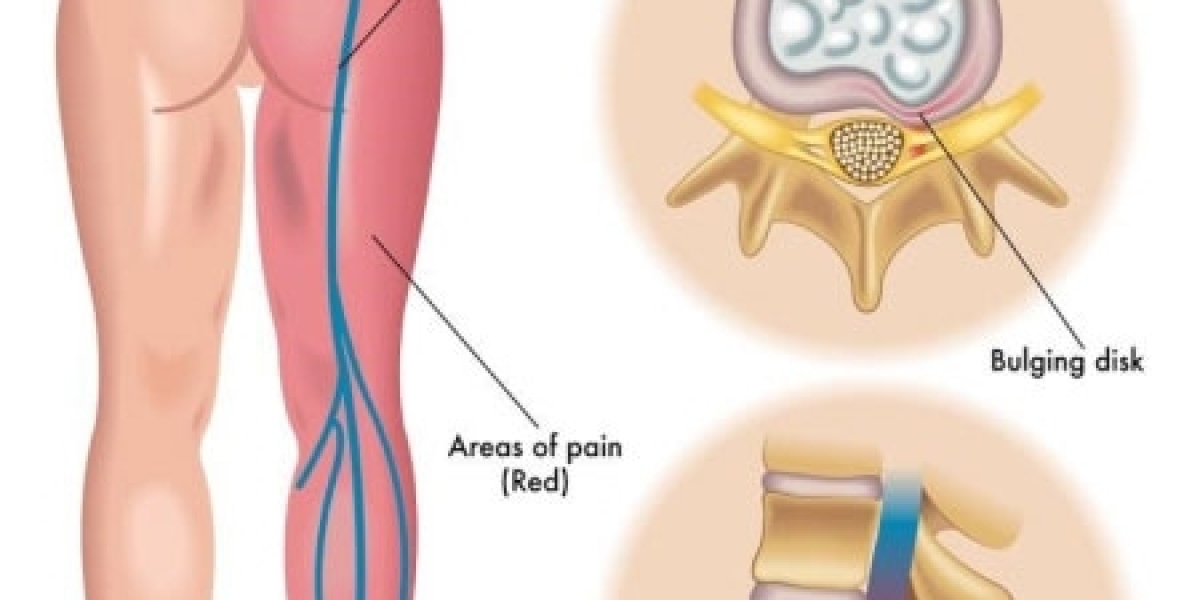
Diabetic neuropathy is probably the most prevalent and annoying diabetes complication. Diabetic neuropathy affects the nerves, which in turn cause burning, tingling, numbness, or stabbing pain — usually in the feet and legs.
Treatment of this type of nerve pain is not easy because conventional painkillers such as ibuprofen tend to fail to provide relief. This is where Tapidol 50mg (tramadol hydrochloride) can step in as a possible solution.
In this guide, we’ll explore how Tapidol 50mg works for diabetic neuropathy pain, its benefits, risks, dosage recommendations, and important safety precautions.
Diabetic neuropathy is a type of nerve damage caused by persistently high blood sugar levels. Over time, excess glucose can damage the small blood vessels that supply nerves, leading to poor nerve signaling.
Peripheral neuropathy – Affects feet, legs, hands, and arms (most common).
Autonomic neuropathy – Affects digestion, bladder, and blood pressure regulation.
Proximal neuropathy – Causes pain and weakness in hips, thighs, or buttocks.
Focal neuropathy – Sudden nerve damage affecting one area, like the eyes or face.
Burning or shooting pain
Tingling and numbness
Extreme sensitivity to touch
Muscle weakness
Loss of coordination
Tapidol 50mg has the active ingredient tramadol hydrochloride, a centrally acting analgesic. It is an opioid-like analgesic but also acts in a different manner by influencing brain chemicals used in the perception of pain.
Tapidol provides relief through two main mechanisms:
Opioid receptor activation – Blocks pain messages from reaching the brain.
Serotonin and norepinephrine reuptake inhibition – Boosts natural pain-blocking neurotransmitters.
This dual action makes Tapidol potentially effective for neuropathic pain, including pain from diabetic neuropathy.
Tapidol is usually considered when:
Pain is moderate to severe
Other medications like gabapentin or NSAIDs fail
Pain affects sleep and daily activities
The patient requires short-term relief
Helps where regular painkillers are ineffective.
Begins working within 30–60 minutes after ingestion.
Useful for both sharp shooting pains and burning nerve pain common in diabetic neuropathy.
Can improve sleep, mobility, and emotional well-being.
It only manages symptoms, not the underlying nerve damage.
Long-term use may cause tolerance or addiction.
Can cause nausea, dizziness, constipation, or drowsiness.
Not suitable for everyone, especially those with seizure disorders or breathing issues.
Typical adult dosage:
Start with Tapidol 50mg every 4–6 hours as needed
Maximum: 400mg in 24 hours
Always follow your doctor’s advice
Usage Tips:
Take with food to reduce stomach upset
Avoid alcohol and sedatives
Do not crush or chew the tablet
Common side effects:
Headache
Drowsiness
Constipation
Dry mouth
Sweating
Serious side effects:
Seizures
Breathing problems
Serotonin syndrome (if combined with certain antidepressants)
Dependence and withdrawal symptoms
Tapidol may not be suitable for those who:
Have a history of seizures
Suffer from severe breathing problems
Are pregnant or breastfeeding
Have liver or kidney disease
Have a history of substance abuse
Always start with the lowest effective dose
Do not mix with alcohol or sedatives
Store away from children
Never share your medication
Follow a gradual taper if stopping
Using Tapidol along with healthy lifestyle choices can improve results:
Control blood sugar to prevent further nerve damage
Regular exercise to improve circulation
Balanced diet rich in vitamins B1, B6, B12
Foot care to avoid diabetic ulcers and infections
Tapidol can help manage flare-ups of diabetic neuropathy pain, but it’s generally used short-term. For long-term management, doctors usually recommend nerve-specific medications and blood sugar control.
Yes, Tapidol 50mg can provide significant short-term relief for diabetic neuropathy pain, especially when other treatments have failed. However, due to dependency risks and possible side effects, it should always be taken under strict medical supervision.
1. How fast does Tapidol 50mg work for diabetic nerve pain?
It usually starts working within 30–60 minutes.
2. Can Tapidol cure diabetic neuropathy?
No, it only manages pain symptoms.
3. Is Tapidol safe for long-term use in diabetic patients?
Long-term use is not recommended due to dependency risks.
4. Can I take Tapidol with metformin or insulin?
Yes, but only if approved by your doctor.
5. What’s the maximum daily dose of Tapidol 50mg?
400mg in 24 hours for adults.
6. Can Tapidol be combined with gabapentin for nerve pain?
Sometimes, under a doctor’s supervision, to enhance pain relief.

Sophia Chill
25Blog posts
-
 Common Mistakes Non-Technical Students Make While Learning Power BI
In today’s data-driven world, Power BI has become one of the most valuable business intelligence tools for students and working professionals.
-
 Why Non-Technical Students Sometimes Struggle in Power BI Courses — and How the Right Training Can Help
In today’s data-driven world, Power BI has become one of the most valuable business intelligence tools for students and working professionals.
-
 The Role of Technology in Modern Commercial Office Workstation Cleaning
Modern tech in workspace cleaning
-
The Role of Empathy in UX Design
Empathy is the heart of UX design. It transforms interfaces from functional tools into meaningful experiences that resonate with users.
-
 Jack Ma Success Story: From Struggles to Global Entrepreneurship Icon
The Jack Ma success story is a remarkable example of resilience, vision, and innovation. Born as Ma Yun in 1964 in Hangzhou, China, Jack Ma’s journey from a humble English teacher to one of the world’s leading entrepreneurs is nothing short of extraordinary
-
 How to Style Your Trapstar Hoodie for Any Occasion
Trapstar hoodies have evolved from simple streetwear staples into versatile fashion pieces that blend comfort, attitude, premium style, and cultural influence.
-
 Electrical Masters – Melbourne’s Trusted Solar Experts
Melbourne is leading the charge in Australia’s renewable energy transition, with solar power emerging as a dependable and cost-effective solution for sustainable energy needs.
-
 Beyond the Bluebook: Dubai's Secret to Conquering the Adaptive Digital SAT
The SAT has always been a significant hurdle for students aspiring to study at top universities globally. For students in the UAE, this challenge has taken on a new dimension with the global transition to the register for sat in uae. This isn't just the old paper test on a screen; it
-
 Chardham tour operators in Haridwar
Trimurti Travels is one of the most trusted Chardham tour operators in Haridwar, offering well-planned and comfortable pilgrimage packages for devotees from across India.
-
 How Did Edward Lear’s Nonsense Writing Affect Popular Culture?
Edward Lear redefined the boundaries of language, humor, and imagination. Through his inventive works, he influenced literature, art, and entertainment, leaving a lasting mark on popular culture.
-
 How Did Edward Lear’s Nonsense Writing Affect Popular Culture?
Edward Lear redefined the boundaries of language, humor, and imagination. Through his inventive works, he influenced literature, art, and entertainment, leaving a lasting mark on popular culture.


