Denial is back in vogue. As Australia leads climate talks, it’s beyond time we took the issue seriously

By Adam Morton • June 14, 2026 • Environment
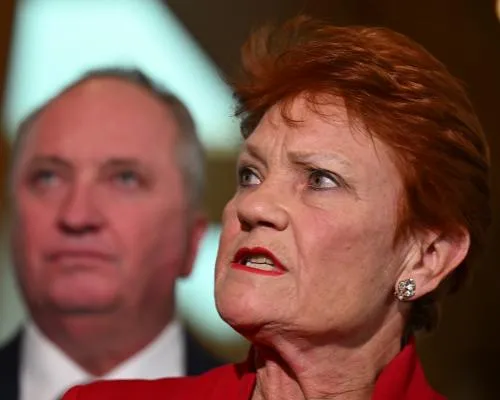
It is unlikely that many voters are flocking to Pauline Hanson for her scientific insights – but that is where they are lining up, regardless
Politics is disconnecting from long-held assumptions at historic speed and no one knows where the great unhinging will take us. On the climate crisis, denial is back in vogue – depending on what the algorithm feeds you. One Nation’s surge in the polls suggests, for now at least, it is vying to be the most popular political party in the country. It does not accept the overwhelming evidence that the planet is warming and that extreme weather is getting worse. Instead, it argues the climate change department should be abolished because – in the strawiest of strawman arguments – it hasn’t changed the climate. It is unlikely that many voters are flocking to Pauline Hanson for her scientific insights – the rejection of major party politics is about much more than that – but that is where they are lining up, regardless. This is happening as temperature records continue to be broken, and as long sought-after climate solutions are increasingly affordable and within reach. The extraordinary rise of rooftop solar and household batteries systems in Australia is fundamentally changing how we get energy, and giving people more control over how they power their homes. The rollout of large-scale wind and solar farms is not going quite as smoothly. But the shift in recent years has still been extraordinary, putting the country on the cusp of 50% of electricity generation coming from solar, wind and hydroelectricity. Sign up to get climate and environment editor Adam Morton’s Clear Air column as a free newsletter Coal and expensive gas-fired electricity are in decline. The grid coped through periods of high demand last summer without major issues. There are signs that batteries are starting to help ease the cost of electricity, including for households that don’t have them. A key question for the Albanese government is how it intends to accelerate action to meet its climate commitments while keeping the costs facing consumers in check. But it is rarely asked. Political discussion seldom grapples with the ways climate change affects our lives, including already increasing costs and cutting incomes, or the extent to which the world is moving to limit emissions, albeit inadequately. Unless a major report is being released, it struggles to get a look in. Last week showed how out-of-whack things can get. It was also a window into where things may head in the second half of the year. The focus was on the climate change and energy minister, Chris Bowen, attending a UN climate meeting in Bonn, Germany. It kicked off what will be a hectic six months for Bowen in which he will be both “president of negotiations” at the Cop31 climate summit in Turkey in November, and the cabinet member responsible for power prices and ensuring the country has enough diesel and petrol. He gave a speech on the first day of the meeting that is worth considering. He said a priority of the talks would be to “electrify the global economy” by rapidly building modern grids that run on clean energy and storage. He backed a new global target of 35% of final use energy coming from electricity by 2035, up from a little over 20% today. This is a bigger deal than it sounds. It would mean a substantial shift in how people across the planet run their homes and buildings, cook their food and get themselves around. Bowen argued an electrification drive could limit the impact of two challenges facing the world – worsening climate change, which is fuelling increasingly frequent and less predictable disasters that disproportionately hurt small and less developed countries, and fossil fuel price shocks caused by war and geopolitical upheaval. Quoting the 20-year-old evidence laid out by the British economist Lord Nicholas Stern in his agenda-setting 2006 review of the economics of climate change, he made the case that striving to achieve the temperature goals agreed in the 2015 Paris agreement – keeping global heating since preindustrial times well below 2C and aiming for 1.5C – would “avoid massive economic costs”. He said: “Whether it be electrifying industry in a great industrial powerhouse like Germany, or assisting African communities with the journey to clean cooking, or improving the energy security of Pacific nations by replacing diesel with solar energy, renewable energy is now the cheapest form of power available to us.” Importantly, analysts have suggested the 35% goal is consistent with the 1.5C target. There is plenty to be pulled apart, including whether the target is enough, what meeting it would require, where the investment could come from and the role the faltering UN climate process – and a middle power such as Australia – can play in getting there. There are long lists of headline pledges made at recent Cops. All deserve scrutiny. But the starting point should be to acknowledge that Bowen’s speech is worthy of proper consideration, and that it is in Australia’s interest to push for greater action on the climate crisis. And that taking risks to achieve this, even if there is hubris involved, is more important than short-term political optics. If you’re in doubt, perhaps check back in on last year’s national climate risk assessment – a scientific report that quickly vanished from political memory, but that warned of climate-driven events triggering potential “cascading shocks” to financial and natural systems. We don’t seem to be at that starting point yet. Arguably the most prominent media coverage of Bowen’s speech was in News Corp papers. The Australian ran cheap commentary that ignored climate science as a concern while arguing the minister should quit and move to Bonn given he wasn’t focused full-time on the power grid. It came in the wake of its recent stories misrepresenting a change in climate scenario modelling as a dramatic cut in the forecast warming of the planet this century. Not to be outdone, the Daily Telegraph published an editorial arguing the Albanese government was “still trapped in a climate activism phase” while Australians had “moved on” from “climate panic”. (This, from a paper that less than five years ago launched a “Mission Zero” campaign promising to argue for deep emissions cuts. Don’t remember? Don’t worry, it doesn’t either.) There are grounds to criticise the Albanese government on climate. It sends mixed messages, backing policies to expand renewable energy and cleaner cars while approving massive fossil fuel developments for export. Those decisions will make it harder to transform the economy and protect the country from the inevitable changes ahead. It made a mistake in promising a $275 cut in power bills given the price of electricity is affected by things beyond its control (see: the war in Ukraine ramping up the cost of gas). Bowen’s run at helping lead the climate talks may amount to little obvious progress. It’s a difficult job on a good day, and these are not the best days. The unprecedented co-hosting arrangement with Turkey adds fresh challenges. It might be that the strongest result possible when the world (minus the US) gathers in the resort city of Antalya will be to keep the show together. There is also an argument that the big new decisions needed to address the climate problem will be driven by economics, not politics. But a diplomatic collapse could certainly make it worse. It’s beyond time to grow up and take the issue seriously – and hope Cop31 succeeds.
Source: The Guardian
Green News
65 posts
-
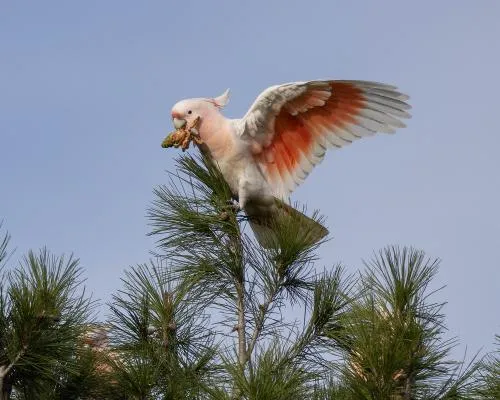 ‘Flamin’ cockatoos’ have lost much of their habitat to bushfires. Can the species survive?
Two fires in 12 years wiped out all but a handful of the mature native pines in Victoria’s Wyperfeld national park, a key breeding ground for endangered pink cockatoos
-
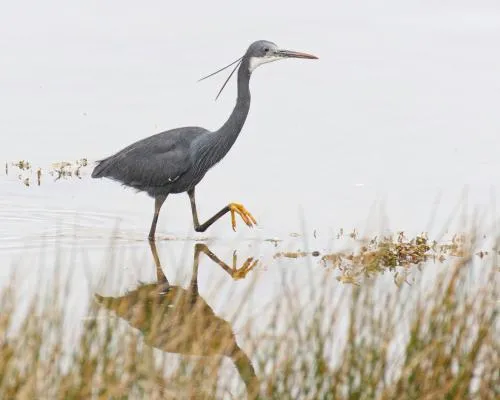 Tropical heron spotted in UK for first time as more exotic birds arrive to thrill birdwatchers
Appearance of a western reef heron in north Wales is unlikely to be the last, as heating temperatures mean species can survive Britain’s winter, say experts
-
 Trees may store less planet-heating carbon than hoped, study suggests
Photosynthesis does not always result in wood growth, a key factor in carbon dioxide sequestration
-
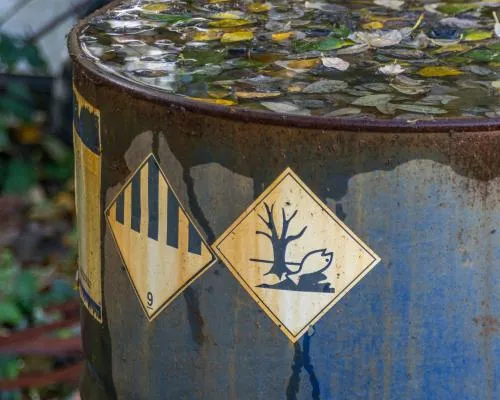 ‘Fast-track’ regulation could expose Britons to harmful chemicals, say campaigners
Exclusive: Fighting Dirty taking legal action against government over proposal it says could import weaker standards
-
 Country diary: It’s a painted lady summer, the stuff of lepidopterists’ legend
Wolsingham, Weardale: These stunning butterflies are here in incredible numbers this year, yet what’s most remarkable is their multigenerational migration
-
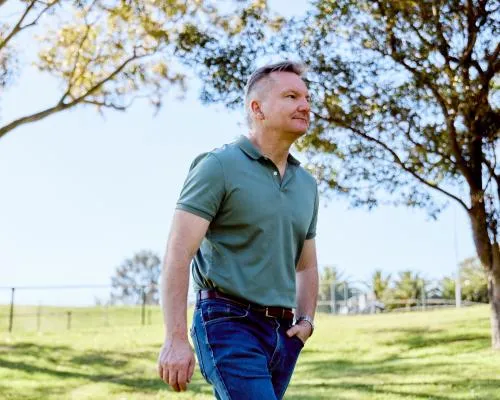 Australia can switch from fossil fuel exports to renewables, says next Cop president
Climate minister Chris Bowen says country must prepare for changing world and can play bigger role in reducing emissions
-
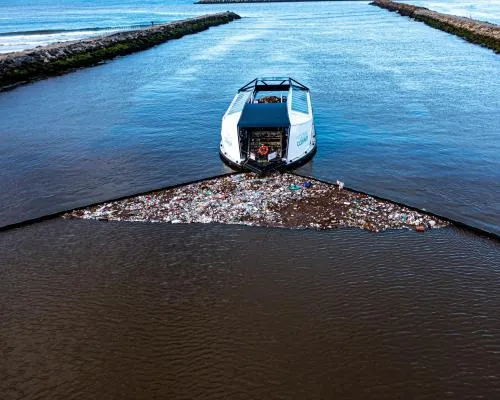 A solar-powered rubbish-eating boat? The vessel chomping plastic waste out of the sea
Guided by floating barriers, the Interceptor has already stopped more than 143,000lbs of rubbish from entering the Pacific from one LA river
-
 Britain’s favourite butterfly revealed – and it’s a familiar backyard beauty
More than 20,000 votes cast in Butterfly Conservation’s poll of 60 native species to find nation’s favourite for first time
-
 Goblin shark with face ‘not even a mother would love’ seen alive in natural habitat for first time
Elusive creatures have previously only been seen on fishing lines and experts know ‘virtually nothing about them’
-
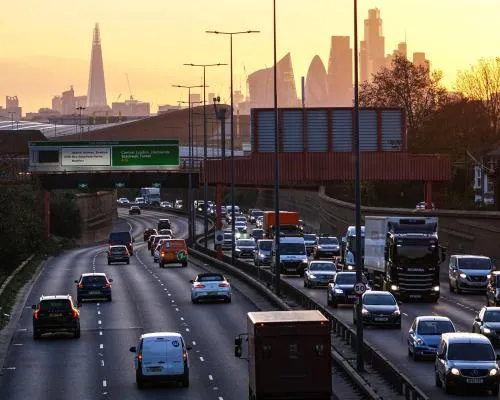 Emergency hospital admissions fell after introduction of London’s T-charge and Ulez, study suggests
Imperial College scientists analysed health records before and after introduction of air pollution reduction zones


