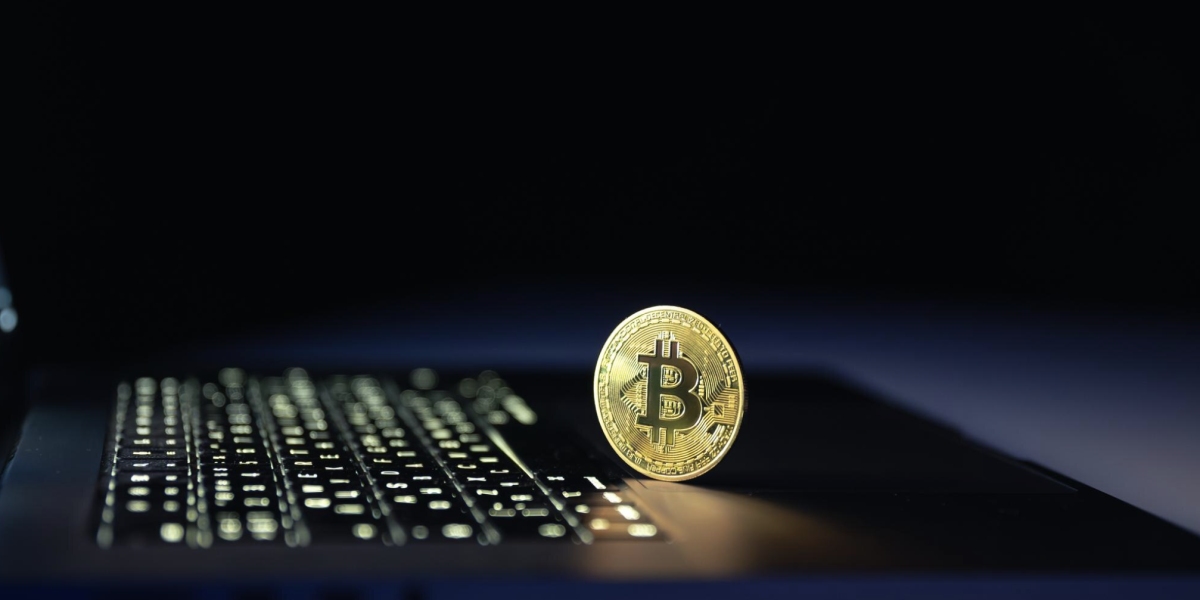
To understand where marketing ends and engineering begins, it's useful to compare this to the single-chain approach on which the industry has grown: classic Bitcoin wallets operate honestly within a single network and don't hide its boundaries. You can read more about this approach here: https://electrumwallet.io/.
The concept is based on network abstraction. The user sees a balance of "USDC" or "ETH," but the wallet understands that these are different tokens in different domains: native assets, "wrappers," or bridge tokens. The interface displays a single ticker and history, but stores the asset ID + domain pairing to avoid mixing addresses and erroneous liquidity pairing. As a result, clicking "send" turns into a script: select a route, calculate fees, verify finality, initiate a signature, and wait for confirmation of the message transfer between networks.
The key is a router and a set of adapters for bridges and inter-network protocols. The wallet calculates the paths: a direct L1↔L2 bridge, a "hop" through a hub network, or an exchange through a DEX on an intermediate chain. It takes into account the liquidity depth, probable slippage, confirmation time, and the risk of failure due to bridge limits. The user receives a single button and the expected amount on the destination side, and the entire multi-step "collect-sign-transmit-wait" process is executed by the wallet and/or an accompanying relayer.
The main engineering challenge is to prove that an asset on chain B truly corresponds to an asset on chain A. Three approaches are used here. The first is native interoperability, where state proofs are verified by the protocol (examples include the IBC and ZK-light-clients models): the wallet only visualizes the statuses, and trust is derived from the cryptography. The second is bridges with an external set of validators: the wallet must transparently display the trust model, the number of signatories, the SLA, and the incident history. The third is synthetics and re-escrow with a custodian: here, it is critical to label such assets and not mix them with native ones when calculating the overall "portfolio" risk.
A thoughtful user experience is built around "asset identities" and "user intent." Instead of terms like "bridge" and "wrapper," the user formulates the goal: "transfer 100 USDC from network X to network Y." The wallet displays the final amount "to the destination account," all layer fees, and the route's trust level, and, if there's a risk of asset mismatch, warns about contract differences and standards. Separate mechanisms include protection against transaction replay across domains, blocking of non-canonical routes, and automatic substitution of the correct nonce/chain-ID under the account abstraction.
Cross-chain experience always comes down to the security limits of bridges. Even the perfect interface is no stronger than the weakest validator or the most vulnerable liquidity contract. Therefore, mature wallets implement a "minimum necessary trust" policy: they prefer routes with cryptographic proofs, limit volumes through bridges with sociotechnical trust, insure the "critical path" with retries and timelocks, and allow users to enable a strict mode that allows only native channels. Visual markers of asset "canonicity" and liquidity origin reduce the likelihood of confusing the "same" token with its derivative.
The trend is shifting the focus to "intent." The user sets the goal, and the network of performers selects the route and competes on fees and time. This model is becoming significantly more reliable with the development of ZK-light clients, which allow for verification of the remote chain state without trusting third-party validators. Furthermore, the account abstraction gives the wallet flexibility: paying fees with another asset, bundling steps, using social key recovery and MPC signatures for threshold security—all of this makes cross-chain not just possible, but truly seamless.
Cross-chain wallets aren't a myth, but a set of architectural solutions that transform "multiple networks" into a single, clear user experience. The reality is that universality is always a combination of cryptography, liquidity, and a fair user experience: the more transparent the route, the more stringent the verification, and the clearer the asset labels, the closer the "universal wallet" is to the ideal, where the boundaries of chains are felt only in delivery speed and fees, but not in the quality of digital currency ownership.

alex snowy
6Blog posts
-
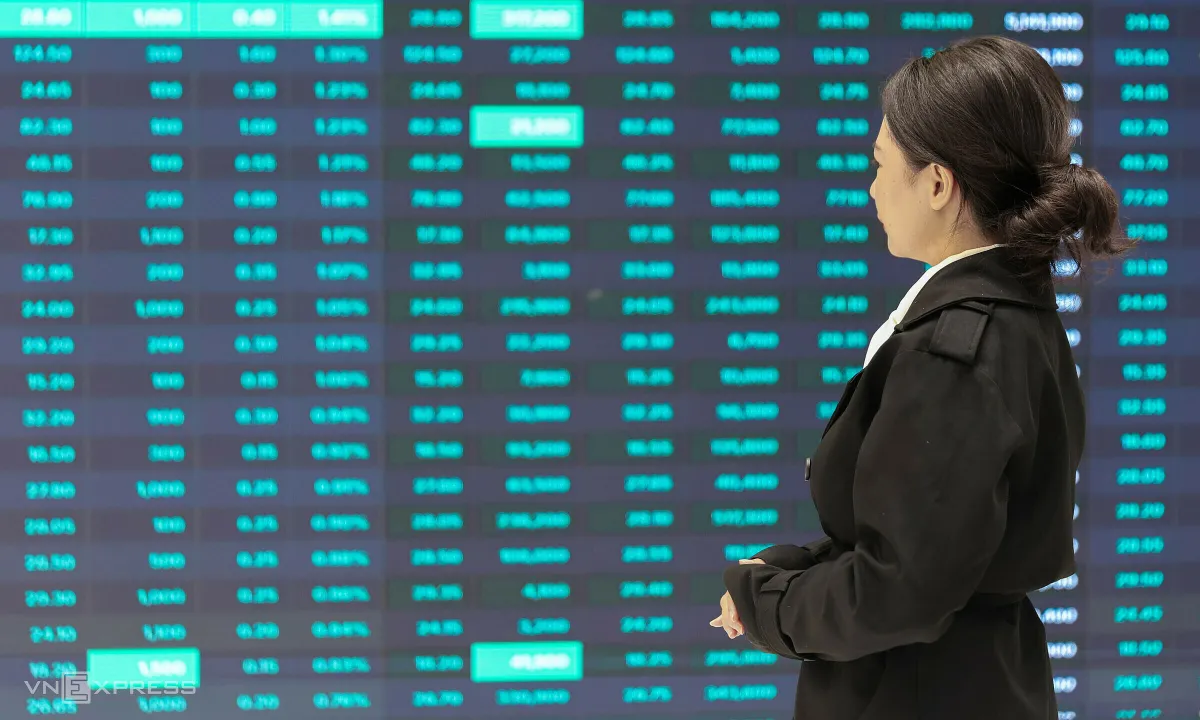 Chứng khoán dứt chuỗi giảm điểm
Sau 7 phiên đi xuống liên tiếp, VN-Index tăng 12,5 điểm nhưng rơi vào tình trạng xanh vỏ, đỏ lòng khi số lượng cổ phiếu giảm chiếm phần nhiều hơn.
-
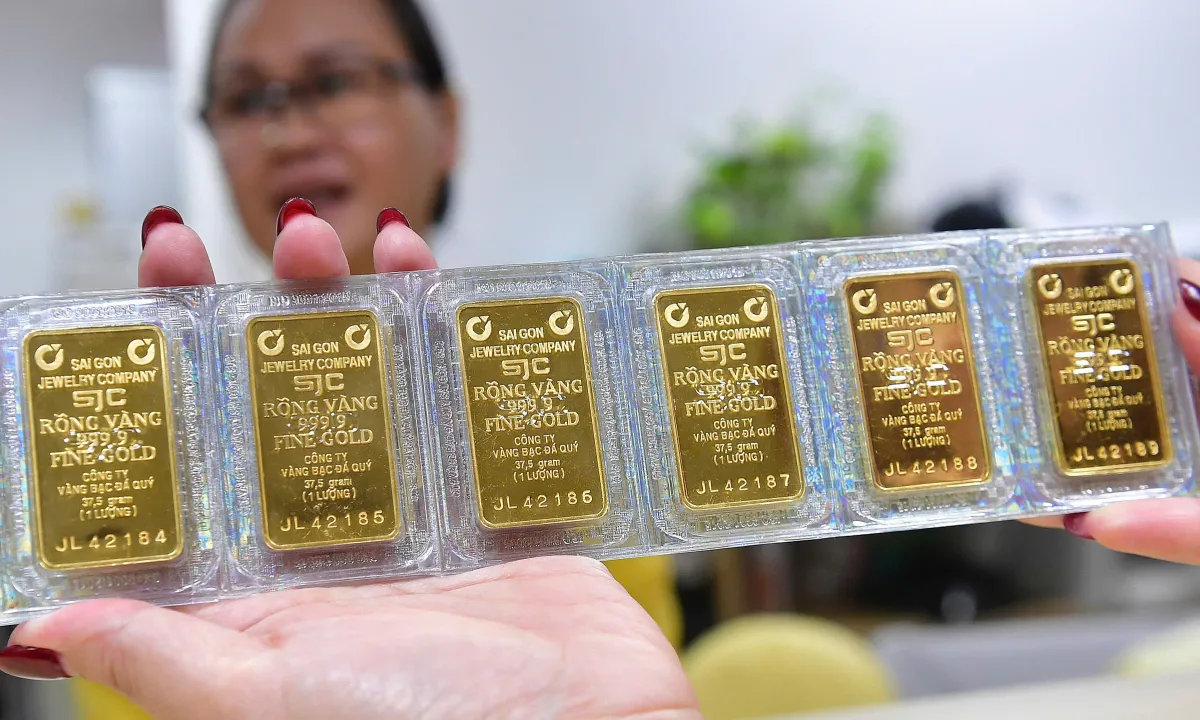 Bộ Tài chính: Chưa đủ căn cứ áp thuế thu nhập với mua bán vàng miếng
Bộ Tài chính cho biết chưa đủ căn cứ áp thuế thu nhập cá nhân với mua bán vàng miếng, vì cần chờ cấp có thẩm quyền thông qua đề án lập sàn giao dịch vàng.
-
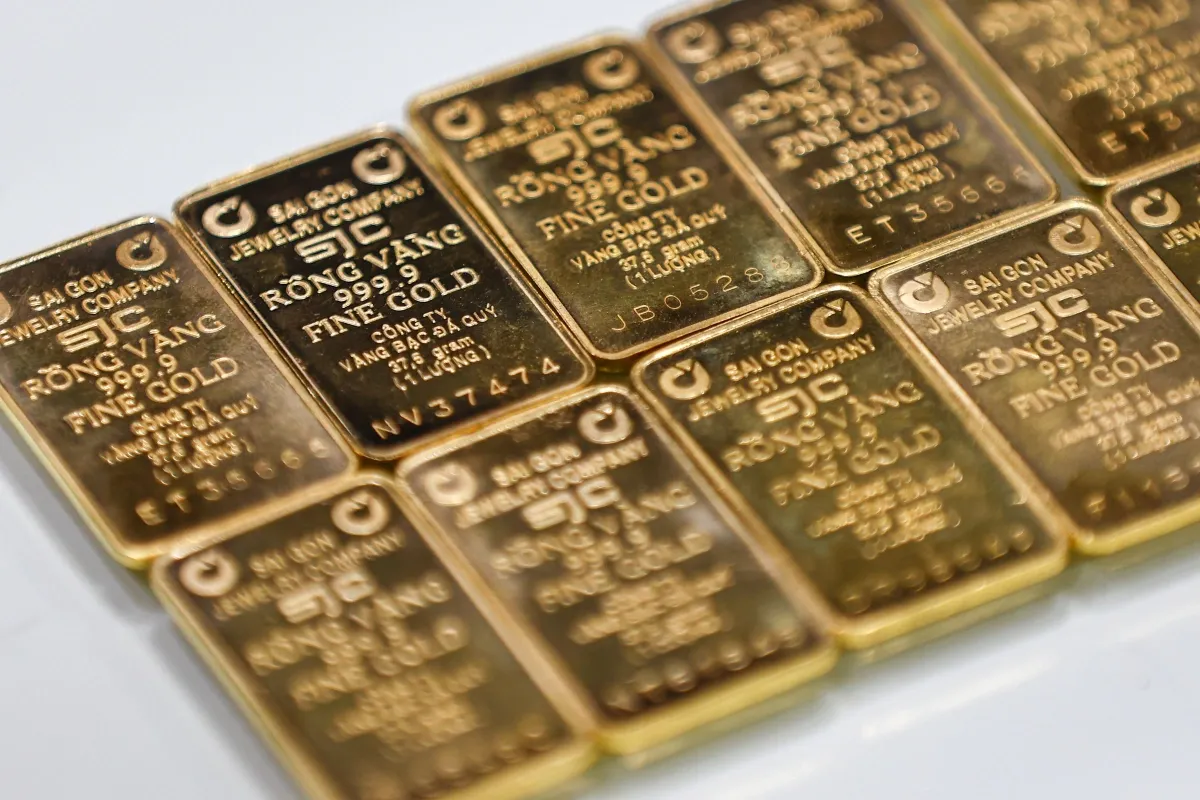 Giá vàng miếng xuống thấp nhất từ đầu năm
Các thương hiệu bán ra vàng miếng quanh mức 156,5 triệu đồng một lượng, thấp nhất từ kể từ đầu năm.
-
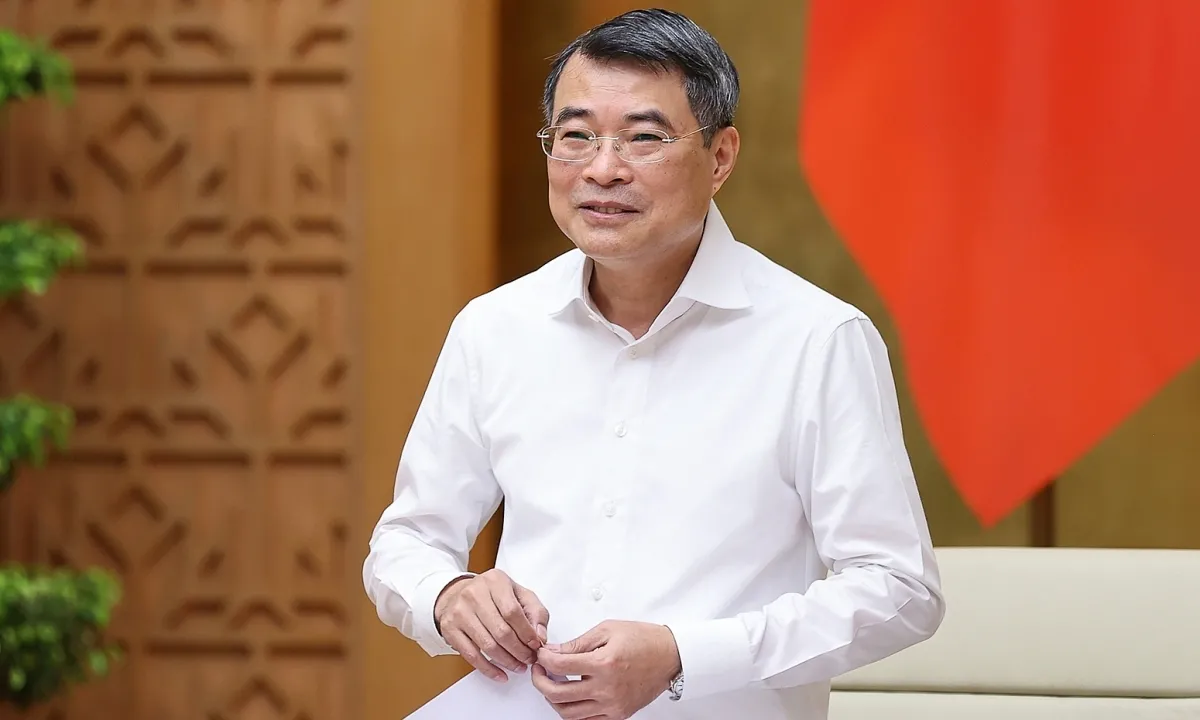 Thủ tướng: Sớm đưa các dự án năng lượng trọng điểm vào hoạt động
Thủ tướng Lê Minh Hưng yêu cầu Bộ Công Thương sớm đưa các dự án năng lượng trọng điểm vào hoạt động, trong bối cảnh thời tiết diễn biến bất thường, nhu cầu điện tăng.
-
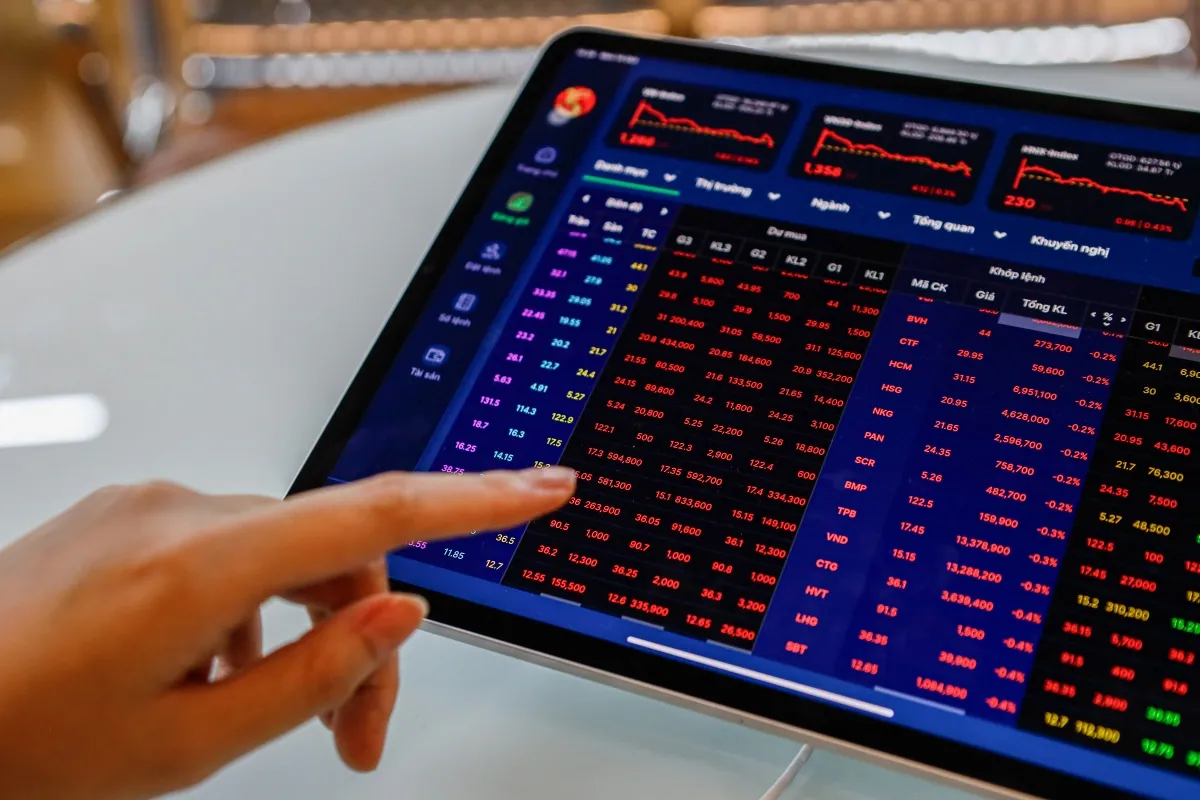 VN-Index chưa cắt chuỗi giảm sâu
VN-Index giảm liên tục 7 phiên và có lúc thủng mốc 1.800 điểm do áp lực xả hàng tập trung vào một số cổ phiếu trụ.
-
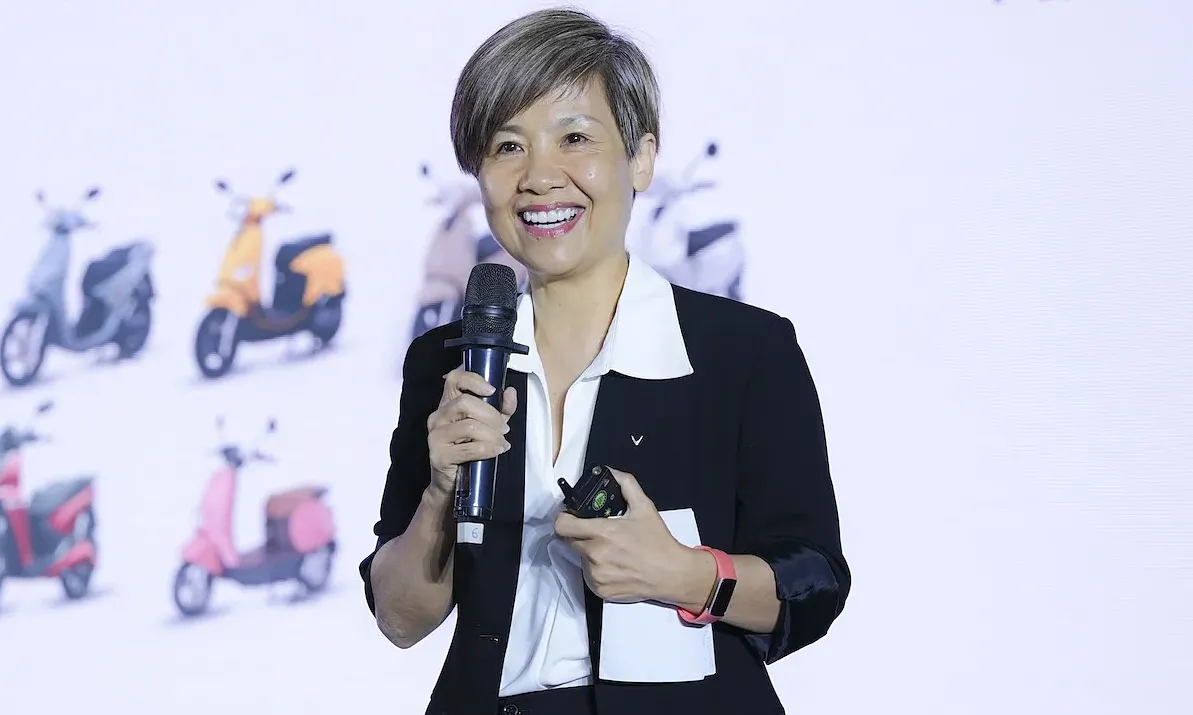 Công ty sở hữu mảng sản xuất của VinFast có Chủ tịch mới
Bà Thái Thị Thanh Hải được bầu làm Chủ tịch của VFTP, doanh nghiệp sở hữu mảng sản xuất cùng hai nhà máy của VinFast tại Việt Nam.
-
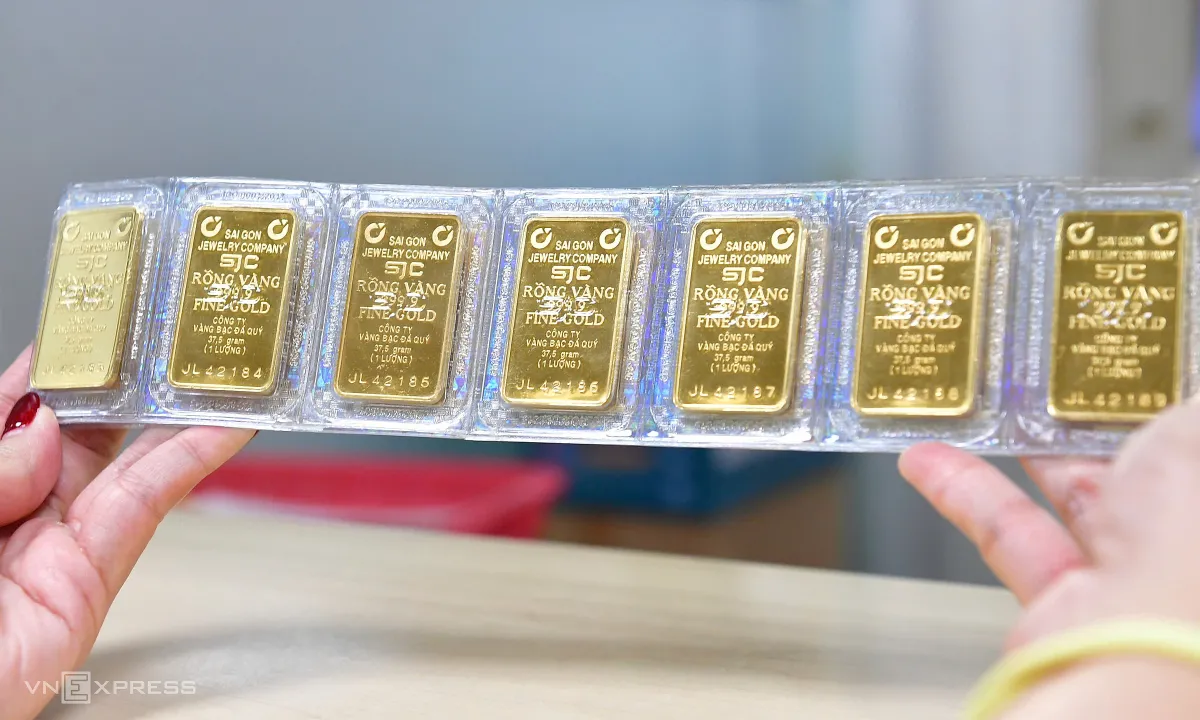 Có nên bán vàng để dành mua nhà khi giá giảm mạnh?
Theo chuyên gia, vàng là tài sản phòng vệ nhưng không tuyệt đối, nên có thể bán bớt một phần để tránh ảnh hưởng kế hoạch mua nhà năm sau.
-
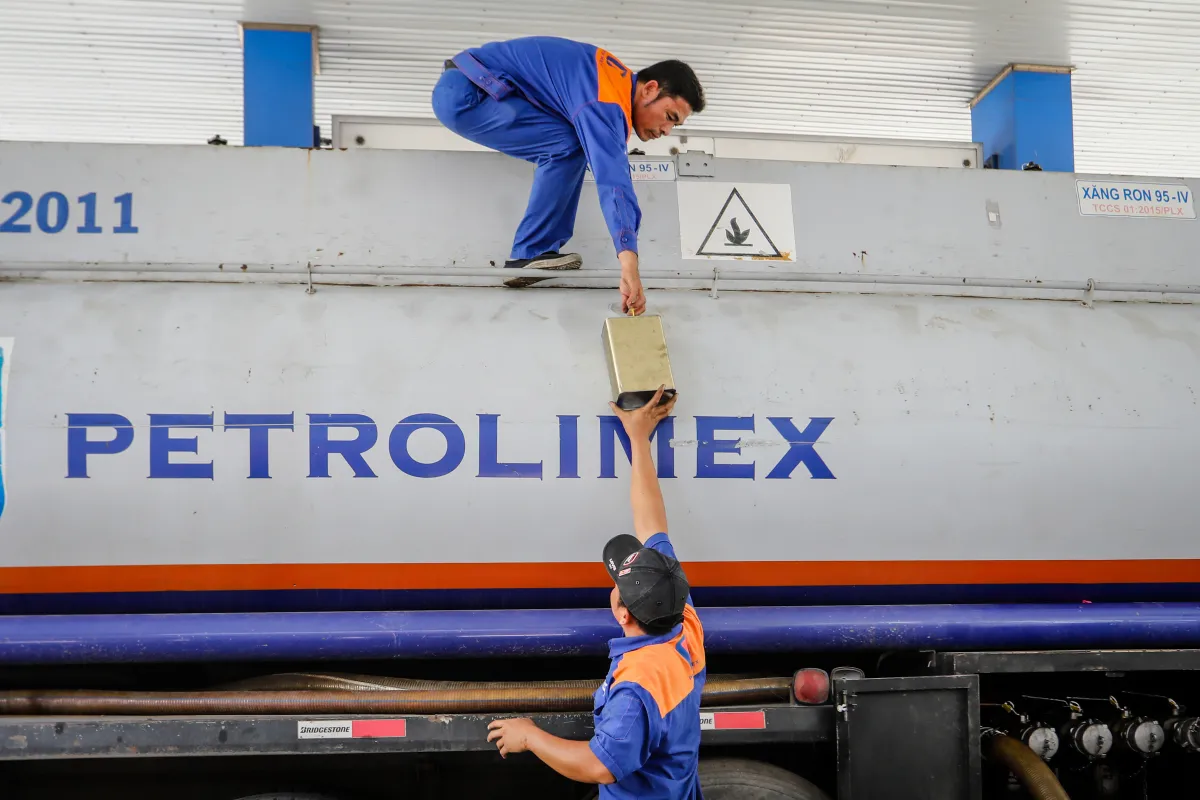 Petrolimex tính bán toàn bộ cổ phiếu quỹ
Hội đồng Quản trị Tập đoàn Xăng dầu Việt Nam (Petrolimex) thống nhất chủ trương bán hết 23,28 triệu cổ phiếu quỹ để đáp ứng điều kiện công ty đại chúng.
-
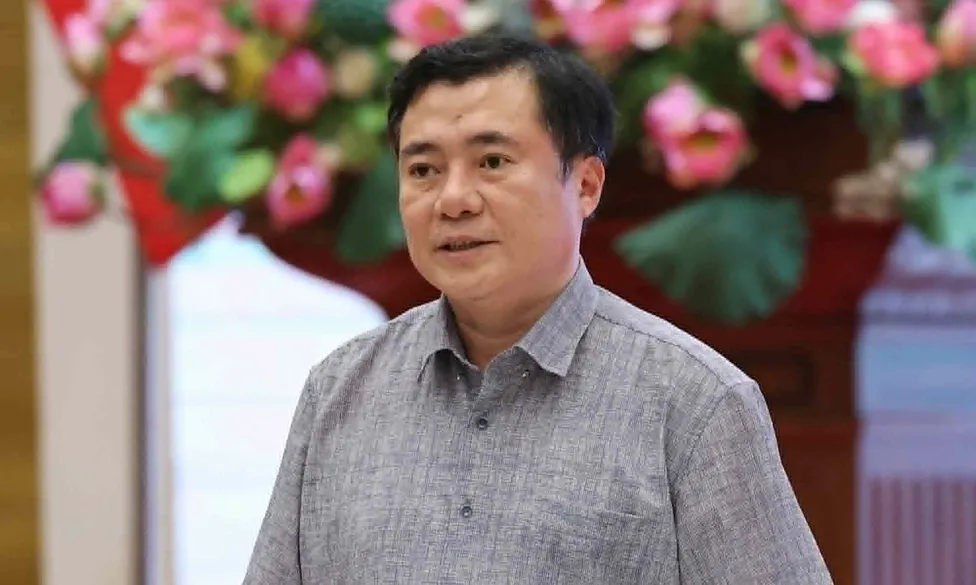 Bộ Công Thương sẽ kiểm tra đột xuất cây xăng về chất lượng xăng E10
Thứ trưởng Công Thương Nguyễn Sinh Nhật Tân cho biết Bộ sẽ kiểm tra đột xuất doanh nghiệp để đảm bảo chất lượng xăng E10 từ sản xuất, phối trộn, tới bán ra thị trường.
-
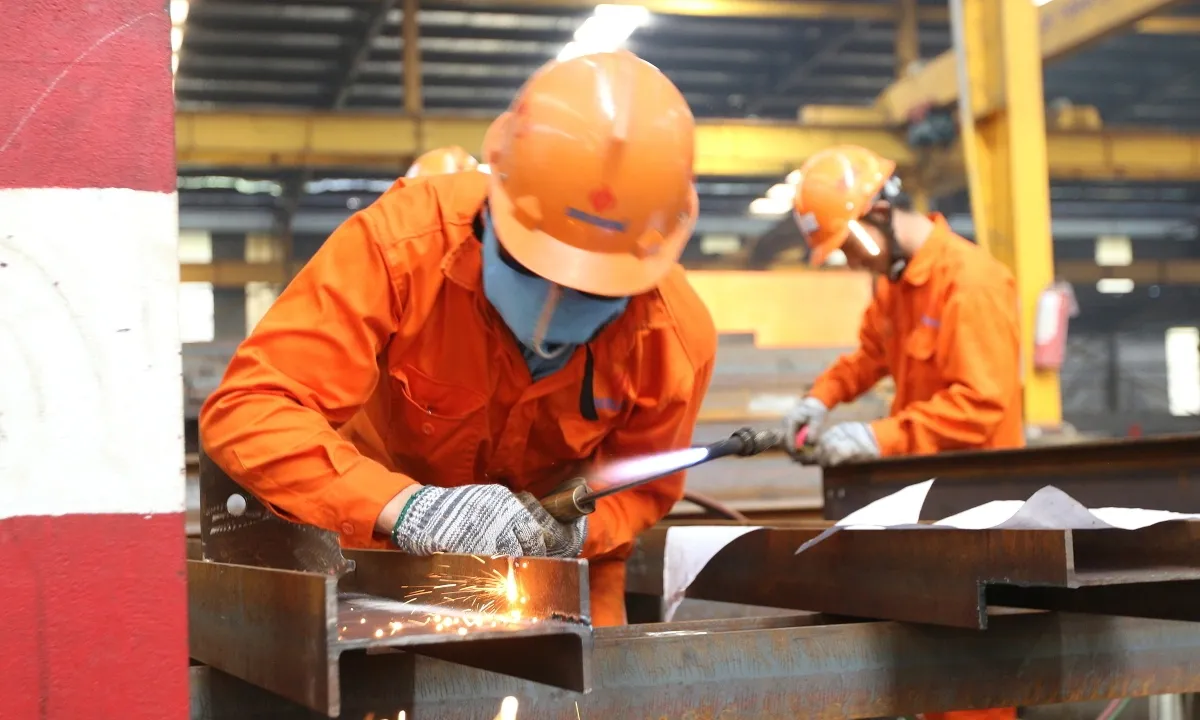 Sản xuất ở TP HCM tăng cao nhất 5 năm
Chỉ số sản xuất công nghiệp (IIP) nói chung và riêng công nghiệp chế biến - chế tạo của TP HCM 5 tháng đầu năm tăng nhanh nhất kể từ 2021.
-
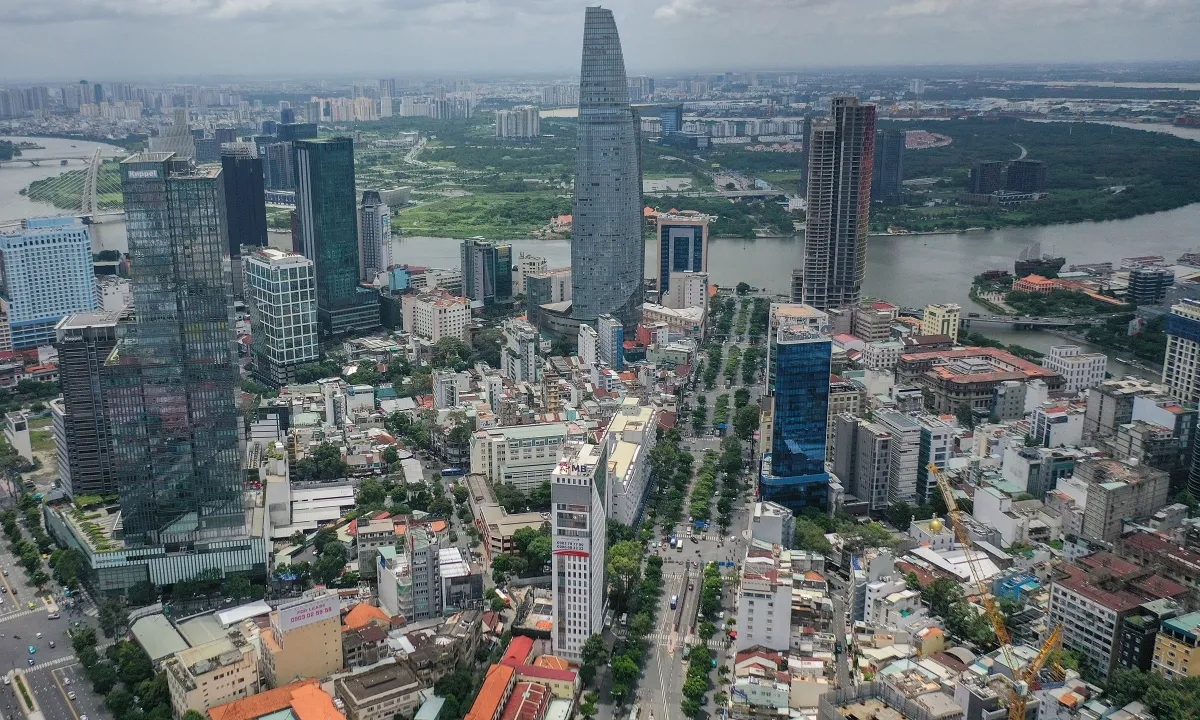 Giá căn hộ TP HCM vượt nhà liền thổ, chạm mốc 190 triệu đồng mỗi m2
Mặt bằng giá căn hộ khu vực trung tâm TP HCM tiếp tục lập đỉnh, đạt trung bình khoảng 190 triệu đồng mỗi m2, vượt phân khúc nhà liền thổ, theo Cushmanamp;Wakefield.


