Concrete Repair: Everything You Need to Know to Keep Your Surfaces Safe and Strong


Concrete is one of the most durable and widely used materials in construction—especially here in sunny Scottsdale. It’s found in driveways, patios, sidewalks, pool decks, and foundations. But like anything exposed to weather, wear, and time, concrete can develop issues that need to be addressed before they get worse. That’s where concrete repair comes into play.
At Scottsdale Concrete and Paver Contractors, we’ve seen it all—from hairline cracks to major surface spalling. In this post, we’ll guide you through what causes concrete damage, the most common types of repairs, when to DIY and when to call a pro, and how to prevent future problems. Whether you're a homeowner, property manager, or business owner, this is the ultimate guide to keeping your concrete in tip-top shape.
Concrete is strong, but it isn’t indestructible. Here are some of the most common reasons why your concrete might need repair:
Weather Changes – Extreme heat, cold, and moisture fluctuations can cause concrete to expand and contract, leading to cracking over time.
Poor Installation – If the concrete wasn’t mixed properly or wasn’t allowed to cure correctly, it could weaken prematurely.
Heavy Loads – Excessive weight, especially on driveways or commercial surfaces, can cause stress fractures.
Soil Movement – Arizona’s desert soil can shift, especially after rain or drought, undermining your concrete base.
Aging – Over decades, even the best concrete can degrade due to environmental exposure.
Knowing the root cause of the damage is key to choosing the right repair method—and preventing it from happening again.
Let’s break down some of the most common types of damage that homeowners and property owners might encounter:
These can range from fine hairline cracks to deep fractures. Small cracks are often just cosmetic, but larger ones can indicate foundational shifts or water intrusion problems.
This is when the surface of the concrete flakes off, exposing the aggregate beneath. It’s usually due to freeze-thaw cycles or poor finishing.
If your sidewalk or driveway is uneven or appears to be sinking, it’s often because of soil erosion or poor sub-base compaction.
This is the peeling or chipping of the surface layer due to deicing chemicals, freeze-thaw cycles, or poor finishing.
While not structurally damaging, discoloration can be an eyesore and is often caused by poor mixing, curing, or contamination.
Not every crack means you need to replace an entire slab. Here are some tried-and-true methods for fixing damaged concrete:
For minor cracks, this is often the simplest and most cost-effective option. Specialized sealants or epoxy injections can prevent moisture from seeping in and causing further damage.
If the surface of your concrete is worn or spalled but structurally sound, resurfacing is a great way to give it a fresh look. This involves applying a thin overlay of new concrete or polymer mix.
If your concrete has sunken in areas, slab jacking can raise it back to level without replacing it. This is done by injecting a material underneath to lift the slab.
Small holes or localized damage can be patched using a concrete repair mix. The key is good preparation—cleaning and bonding the patch correctly.
In cases of major structural damage or severe cracking, it may be more economical in the long run to replace the concrete entirely.
While small cracks can often be sealed with a store-bought kit, larger or structural repairs are best left to professionals. Here’s a quick guide:
DIY:
Hairline surface cracks
Minor discoloration
Very small patches (less than 1 sq. ft.)
Call a Pro:
Deep cracks or wide separation
Uneven or sunken slabs
Rebar exposure or foundation issues
Any structural concern
At Scottsdale Concrete and Paver Contractors, we use professional-grade materials and equipment to ensure repairs last—because we know that a "quick fix" that fails in six months is no fix at all.
Good maintenance goes a long way. Here’s how you can extend the life of your concrete:
Seal it regularly – Use a high-quality concrete sealer every 2–3 years to protect from moisture and staining.
Keep it clean – Dirt, oil, and debris can speed up degradation. A simple pressure wash once or twice a year can make a big difference.
Avoid harsh chemicals – Especially deicers in winter. They can break down concrete over time.
Watch for drainage issues – Water pooling around concrete surfaces can lead to cracking and erosion.
Address small problems early – Fixing a small crack now is always cheaper and easier than dealing with a large repair later.
Concrete repair doesn’t have to be stressful or expensive. With the right knowledge and the right team on your side, your concrete surfaces can look great and stay strong for decades.
If you notice any signs of damage on your patio, driveway, or walkway, don’t wait—contact Scottsdale Concrete and Paver Contractors for a free assessment. We’ll help you find the best solution for your home or business and ensure the job is done right the first time.
Need expert help with your concrete repair? Give us a call today or request a free quote online. We're here to help Scottsdale stay solid—one surface at a time.
Scottsdale Concrete and Paver Contractors
4Blog posts
-
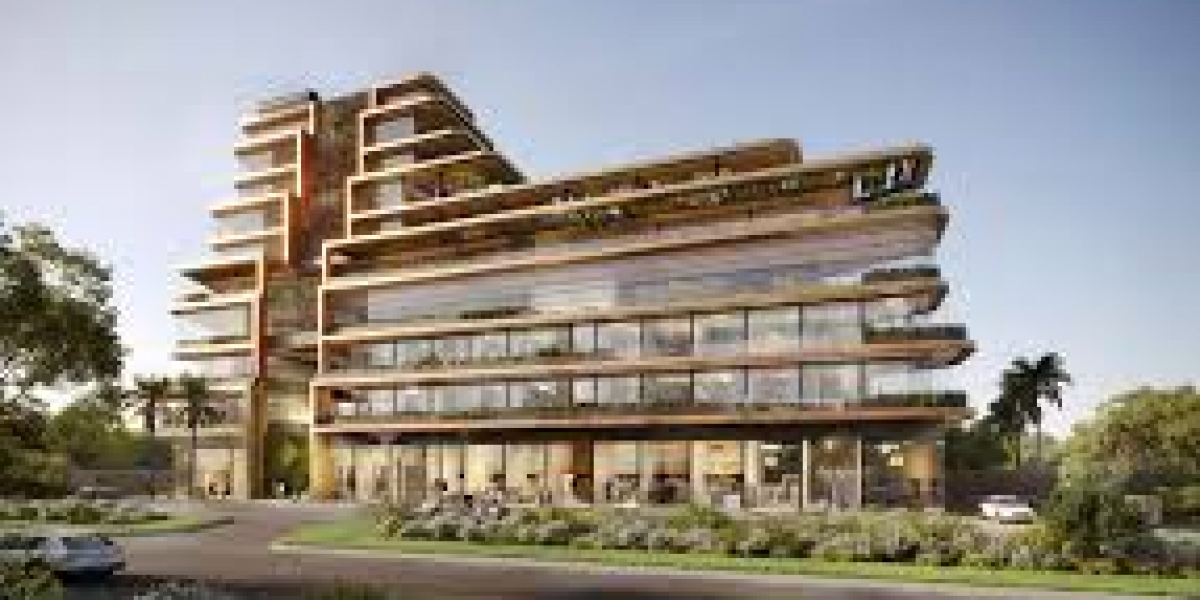 Brand Identity and Tenant Experience: Cultivating Loyalty at Elan Empire Gurgaon
Securing high occupancy in a premium high-street asset is only half the battle. For long-term viability, property management and individual investors must shift their focus to building tenant loyalty and creating a distinctive brand identity.
-
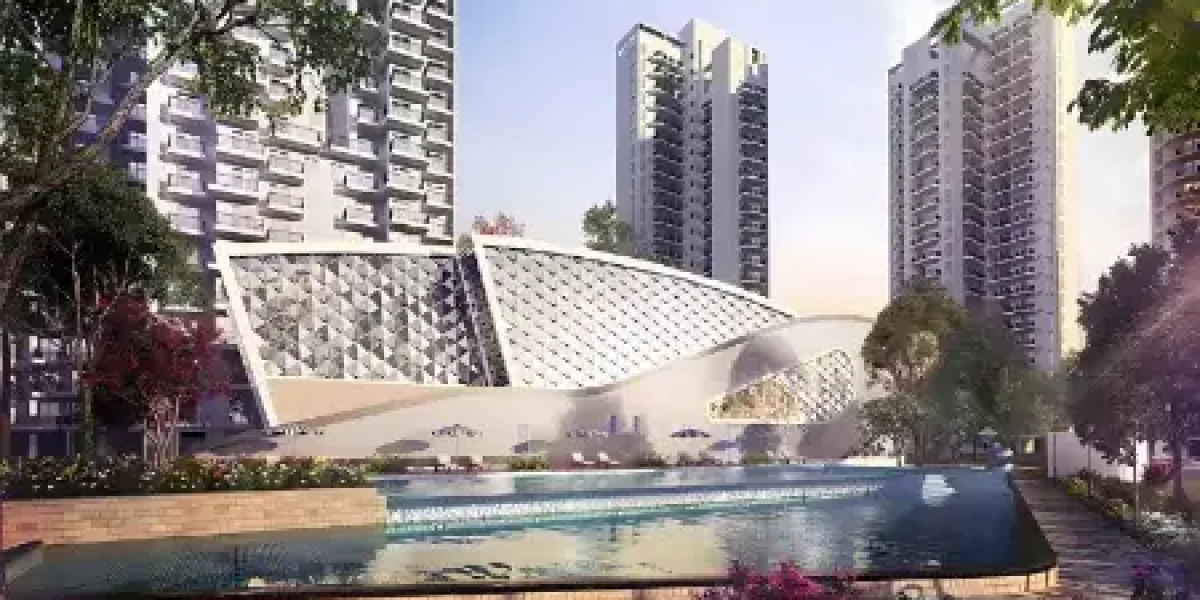 Master Review: Evaluating Godrej Nature Plus, Sector 33, Gurgaon
The layout uses a smart structural pattern where towers are angled away from each other. This creates a staggered footprint that gives corner apartments clear, unblocked views of the Aravalli foothills while ensuring optimal morning and afternoon sunlight. Inside the towers, the floor plan
-
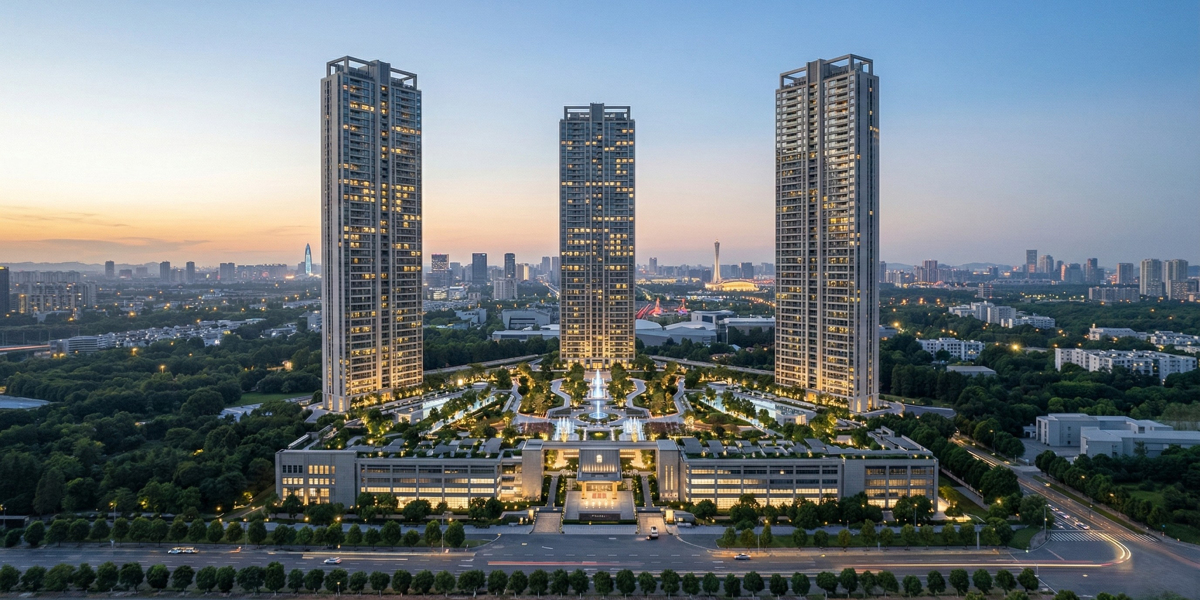 BPTP Downtown 66: A Masterpiece of Vertical Luxury in Sector 66
BPTP Downtown 66 has emerged as one of the most anticipated high-rise developments on the Golf Course Extension Road. Designed by the globally acclaimed architectural firm Aedas, this project is not just a residential complex but a vertical ecosystem where luxury meets functionality.
-
 Aesthetic Clinic in Australia | Beauty Clinic in Carolina | PM Aesthetics
Discover a trusted aesthetic clinic in Australia and a professional beauty clinic in Carolina. PM Aesthetics offers advanced skincare, cosmetic treatments, and personalized beauty solutions.
-
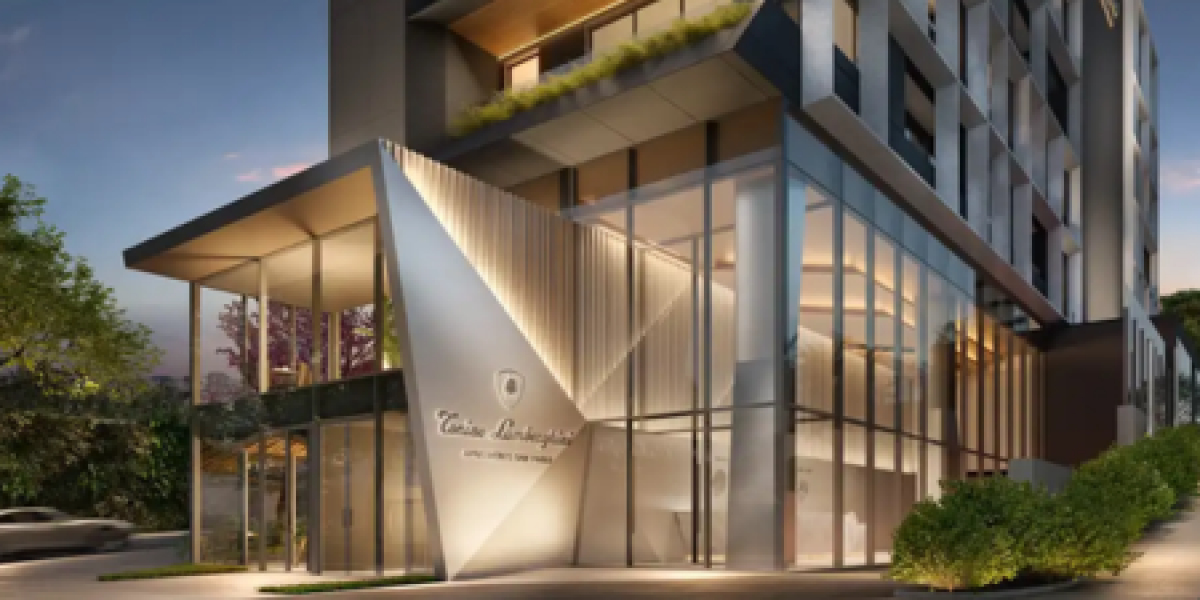 The Masterful Synergy at Signature Global Tonino Lamborghini
Signature Global Tonino Lamborghini Residences represents a ₹2,890 crore synergy of Italian supercar aesthetics and Indian engineering excellence in Sector 71.
-
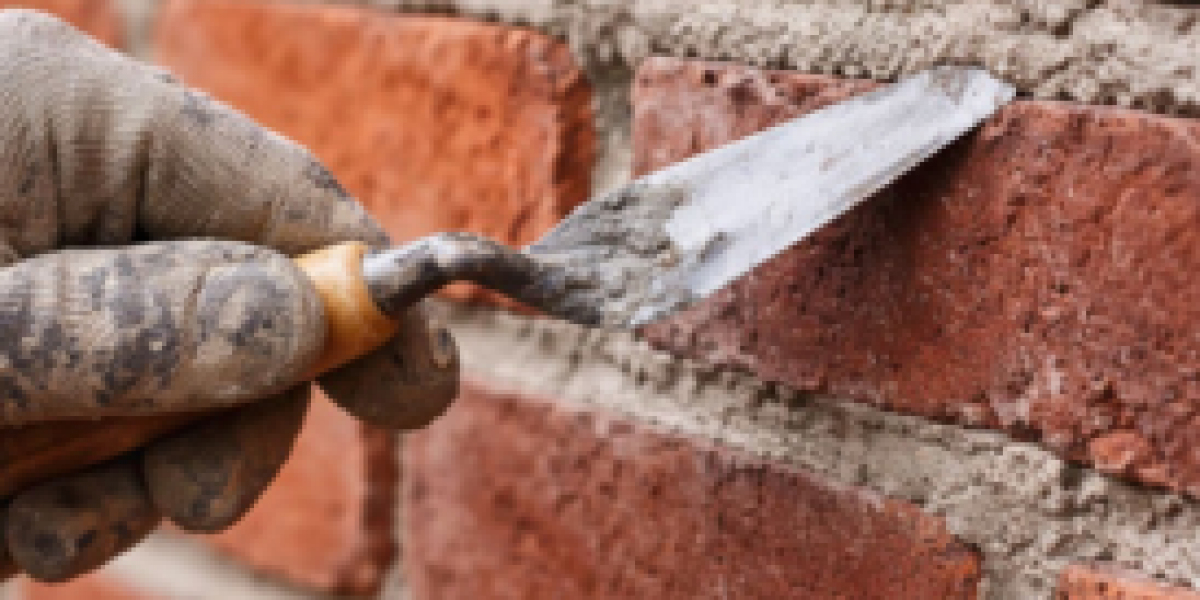 Sidewalk Repair NYC: A Complete Guide for Property Owners
Sidewalks in New York City endure constant wear and tear due to heavy foot traffic, extreme weather conditions, and tree root growth. Over time, cracks, uneven surfaces, and potholes can develop. These issues not only create an unpleasant appearance but also pose serious safety hazards for
-
 Why Natural Stone Wall Panels Are Becoming the First Choice for Modern Interiors
Discover why natural stone wall panels are becoming a top choice for modern interiors and exteriors. Learn about their durability, aesthetic appeal, and versatile applications for residential and commercial spaces.
-
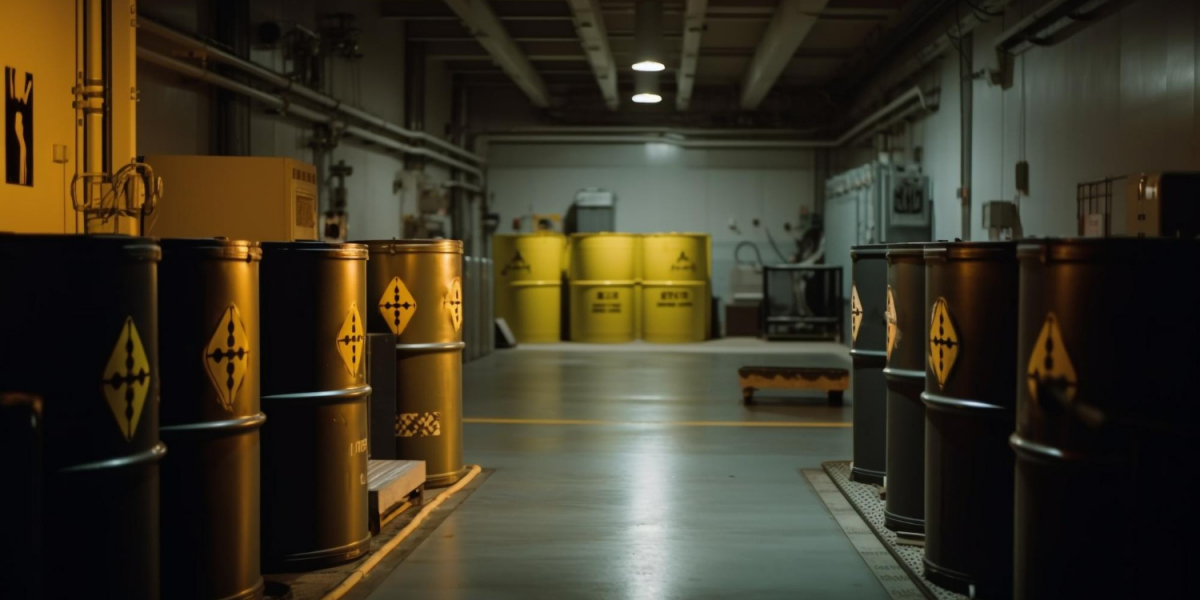 Chemical Supplier for Industrial in UAE: Reliable Solutions for Modern Industries
Find a reliable chemical supplier for industrial in UAE offering high-quality products, consistent supply, and tailored solutions for manufacturing, oil & gas, construction, and water treatment industries.
-
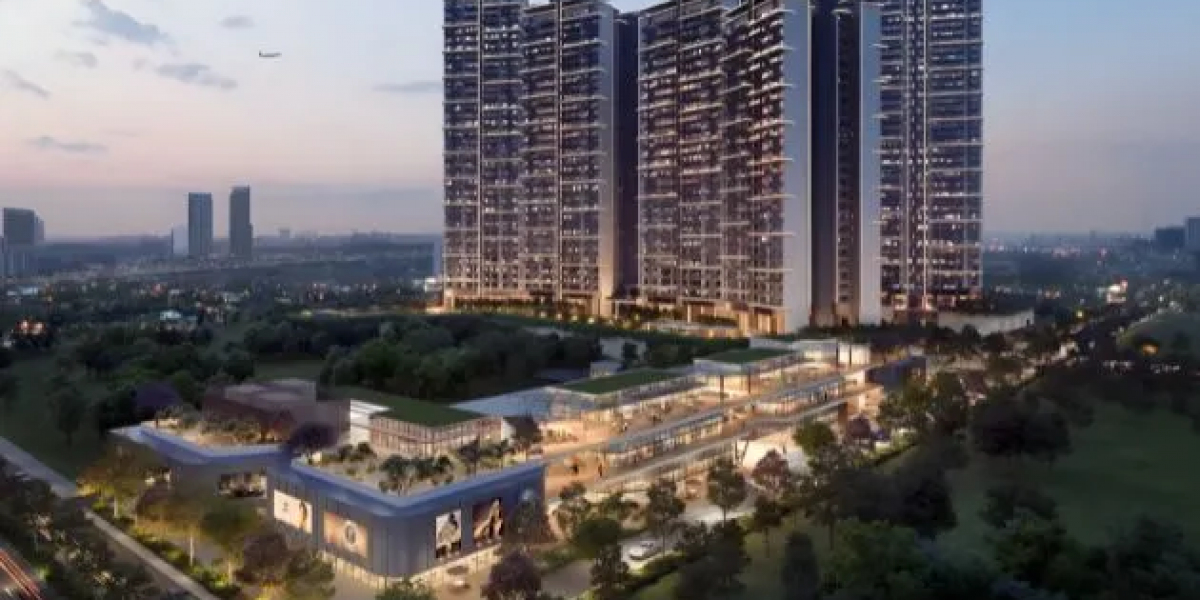 Signature Global Cloverdale SPR Gurgaon – A Modern Address for Comfortable Living
This connectivity allows residents to easily access major employment hubs, corporate offices, and business districts. The proximity to IGI Airport further adds to its appeal, especially for professionals who travel frequently.
-
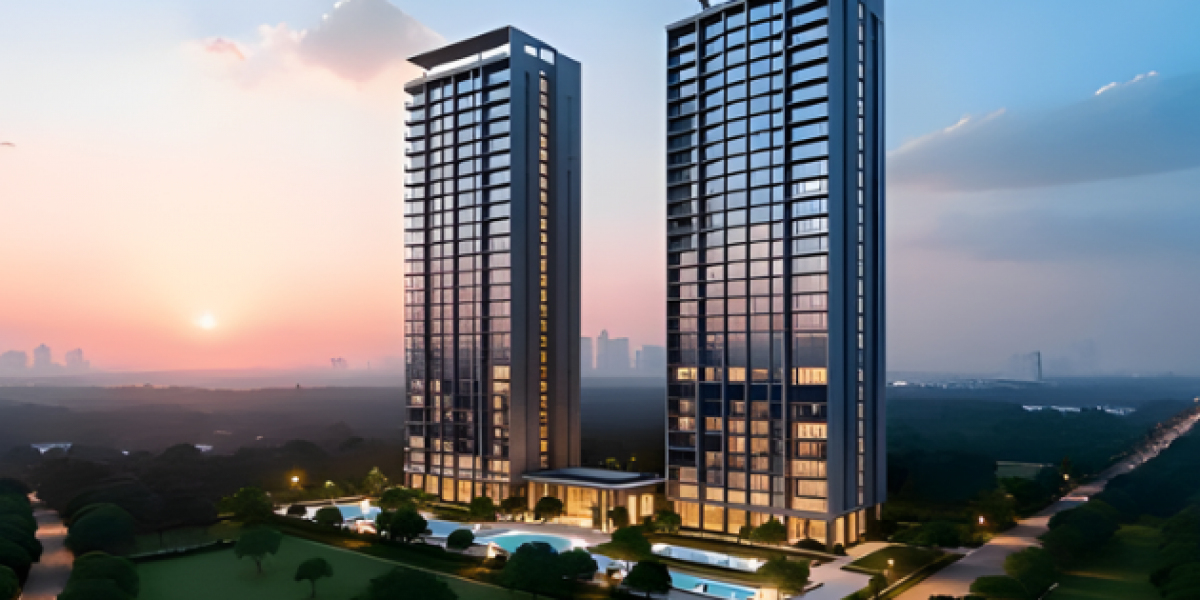 The Vertical Revolution: Living Above the Ordinary at Sobha Rivana
Sobha Rivana is a G+45 floor architectural landmark in Sector 1, Greater Noida West, featuring a low-density design with only four units per floor and four high-speed elevators. It offers a premium lifestyle with 11-foot high ceilings, 80% open green space, and a 50,000 sq. ft. clubhouse,
-
 Find the Perfect Christmas Jewellery at Stonex Jewellers
Our Christmas collection features a wide range of designs, from classic to contemporary, ensuring there is something for everyone.


