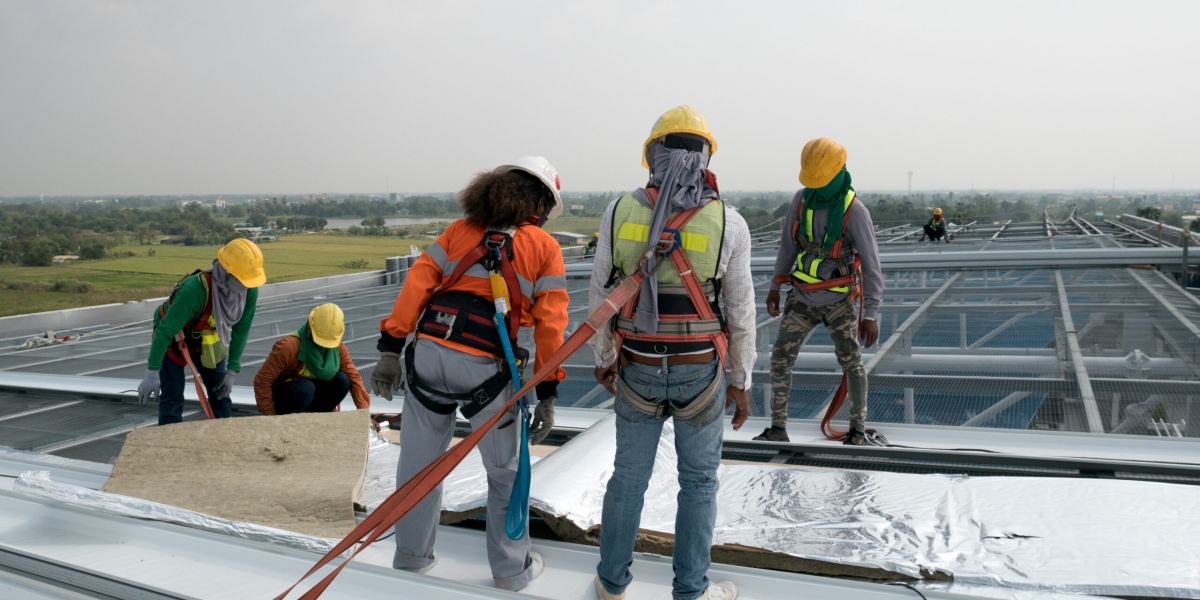
A roof leak in a commercial building is never just a small inconvenience. One drip can turn into stained ceiling tiles, soaked insulation, damaged inventory, electrical concerns, tenant complaints, or even a temporary shutdown. That is why commercial roof leak repair should be handled quickly and professionally.
mercial roofs work hard every day. They face sun, rain, wind, temperature changes, foot traffic, debris, and rooftop equipment. Over time, seams weaken, flashing loosens, drains clog, membranes crack, and small punctures appear. The problem is that leaks are not always easy to trace.
Why Commercial Roof Leaks Happen
Commercial roofs are usually larger and more complex than residential roofs. Many are flat or low-slope, which means drainage plays a major role in roof performance. If water sits too long, it can stress the roofing system and find weak points.
Common causes of commercial roof leaks include:
- Damaged flashing
Flashing around vents, walls, edges, skylights, drains, and HVAC units is one of the most common leak areas. - Open seams
On membrane roofing systems, seams can separate over time because of weather, age, poor installation, or movement. - Ponding water
Standing water on a flat roof can wear down materials and increase the chance of leaks. - Roof punctures
Tools, storm debris, foot traffic, or rooftop maintenance can create small holes in the roof surface. - Clogged drains and gutters
Poor drainage can force water to back up and move into vulnerable areas. - Aging roofing materials
As a roof gets older, cracks, blisters, shrinkage, and surface wear become more common. - Storm damage
Heavy rain, hail, wind, and flying debris can damage roofing materials quickly.
Understanding the cause is important because patching the visible leak may not solve the real problem.
Signs You Need Commercial Roof Leak Repair
Some leaks are obvious. Others start quietly and get worse over time. Catching the signs early can save money and prevent business disruption.
Watch for these warning signs:
- Water dripping from the ceiling
- Brown or yellow ceiling stains
- Damp walls or bubbling paint
- Musty odors inside the building
- Mold or mildew growth
- Wet insulation
- Sagging ceiling tiles
- Puddles on the floor after rain
- Higher energy bills
- Soft spots or bubbles on the roof
- Standing water after storms
- Rust near roof penetrations or metal flashing
Even a small stain should not be ignored. By the time water appears inside, the roofing system may already have hidden moisture damage.
Why Fast Leak Repair Matters
Waiting to fix a commercial roof leak can lead to bigger problems. Water does not stay in one place. It can spread through insulation, decking, walls, ceiling systems, and electrical areas.
Fast commercial roof leak repair can help:
- Protect employees, customers, and tenants
- Prevent slip hazards from wet floors
- Reduce mold and mildew risks
- Save inventory, furniture, documents, and equipment
- Lower repair costs
- Protect roof insulation
- Reduce business interruptions
- Preserve the value of the building
- Support insurance documentation after storm damage
In many cases, early repair is far less expensive than waiting until the damage becomes widespread.
What Happens During a Roof Leak Repair?
A professional repair usually starts with an inspection. The contractor will look inside and outside the building to trace where water is entering.
The repair process may include:
- Inspecting the roof surface
- Checking flashing, seams, drains, and penetrations
- Looking for punctures, cracks, blisters, or loose material
- Testing moisture levels when needed
- Removing debris or clearing drains
- Sealing or patching damaged areas
- Replacing damaged membrane sections
- Repairing flashing or edge metal
- Checking interior water damage
- Recommending long-term repairs if needed
Sometimes an emergency repair is done first to stop active leaking. A permanent repair may follow once the roof is dry and conditions are safe.
Repair or Replace: How to Know?
Not every leak means the entire roof needs replacement. Many commercial roof leaks can be repaired if the damage is isolated and the roofing system is still in decent condition.
Repair may be enough if:
- The leak is limited to one area
- The roof is not near the end of its life
- Insulation and decking are mostly dry
- The roof has been maintained
- Damage was caused by a specific event, like debris or a loose seam
Replacement may be a option if:
- Leaks keep coming back
- The roof has widespread damage
- There is trapped moisture throughout the system
- The roof is old and failing
- Repairs are becoming too frequent
- The roofing system was poorly installed
A reliable contractor should explain the difference clearly and help you make the best decision for your building.
How to Prevent Future Commercial Roof Leaks
The best leak repair is the one you never need. While not every leak can be prevented, regular maintenance lowers the risk.
Helpful prevention steps include:
- Schedule roof inspections twice a year
- Inspect after major storms
- Keep drains and gutters clear
- Remove branches, leaves, and debris
- Limit unnecessary foot traffic
- Repair small punctures quickly
- Check flashing around HVAC units and vents
- Maintain roof coatings when needed
- Keep records of inspections and repairs
- Address ponding water before it worsens
Routine maintenance is especially important for flat and low-slope commercial roofs.
Choosing the Right Roofing Contractor
Commercial roofs require specialized knowledge. A contractor should understand membrane systems, metal roofing, coatings, flashing, drainage, and rooftop equipment.
Look for a roofing company that offers:
- Commercial roofing experience
- Emergency leak response
- Proper licensing and insurance
- Clear written estimates
- Photos or reports of damage
- Knowledge of different roofing systems
- Honest repair recommendations
- Warranty or workmanship guarantees
- Good communication throughout the process
The right contractor will not just cover the leak and leave. They will identify the cause and help prevent it from returning.
Final Thought
Commercial roof leak repair is not something to delay. A small leak can quickly become a serious problem for your building, your people, and your business operations. Whether the cause is storm damage, open seams, clogged drains, flashing failure, or an aging roof, fast professional repair can stop water damage before it spreads.
A commercial roof protects everything underneath it. Taking care of leaks early helps protect your investment, reduce stress, and keep your business running with fewer interruptions. When water starts coming in, quick action is always the smartest move.

Henry Clark
1 posts
-
 Mastering the Madness: A Complete Guide to Tentacolo Tecnico Brainrot God – Steal a Brainrot Strategy
In the chaotic world of online gaming, few things capture the community’s attention like a new, bizarre meta.
-
 Frozen Eggs Market Scope Covering Growth Potential, Regional Expansion, Consumer Adoption, and Technological Advancement
The frozen eggs market scope encompasses market size, growth potential, regional dynamics, technological innovations, consumer trends, and industrial adoption, highlighting opportunities for manufacturers, distributors, and stakeholders in the evolving global frozen eggs industry.
-
 Security Guard Training: What You Need to Know in Ontario
Beginning a career in private security in Ontario means first completing thorough security guard training. This foundational training ensures you understand your responsibilities, legal boundaries, emergency procedures, and ethical conduct. Getting certified is not optional—it’s requir
-
 Backspin that Car Web based through Fate Wheel: 100 % free and even Simplified
The right way to make use of essentially, additionally, the a number of very creative options it can also be implemented on each of those own and even competent functions.
-
 Lemon Rice and Paneer Finger: A Flavorful Duo for Every Occasion
Among its many dishes, lemon rice and paneer finger stand out as a combination that perfectly balances tanginess and crunch.
-
 Helldivers 2 Best Weapons Against Terminids
If you’ve spent any time fighting Terminids in Helldivers 2, you know these insectoid enemies are relentless and unforgiving.
-
 Why SRE is Crucial for Scalable and Reliable IT Systems
Explore the role of SRE in modern IT infrastructure, highlighting its impact on reliability, automation, and performance. Learn about SRE Foundation certification.
-
 Revitalize Your Home: The Importance of Professional Carpet Cleaning
In today’s fast-paced world, student flat carpet cleaning Milton Keynes our homes serve as sanctuaries where we seek comfort and relaxation.
-
 local automotive locksmith
Who’s the best locksmith near Astoria Park in Queens, NY? You’ve found them. 24 Hour Locksmith Queens offers fast, reliable locksmith services across Queens—from Jamaica to Flushing. Locked out? Need a lock changed or a car key replaced? We’re just a call away.
-
 The Art and Science of Carpet Cleaning: Techniques, Benefits, and Best Practices
Carpets are a staple in many homes, providing comfort, warmth, and aesthetic appeal.
-
 10 Simple Steps To Start The Business You Want To Start Fitness To Drive Law Business
Understanding the Fitness to Drive Law: deutscher FüHrerschein Kaufen Ensuring Road Safety for FüHrerschein Schnellkurs Schweiz All The capability to run a motor A2 FüHrerschein Pflichtstunden.


