
In industries such as oil and gas, chemical processing, mining, and pharmaceuticals, certain environments are classified as hazardous areas due to the presence of flammable gases, vapors, dust, or combustible fibers. In these zones, standard electrical or mechanical equipment may ignite explosions or fires if not properly designed and certified.
The hazardous area equipment market includes devices designed for safe operation in environments with flammable gases, vapors, or dust. Equipment types include cable glands, lighting, sensors, and control panels. Industries served include oil & gas, chemicals, and mining. The market is segmented by product, industry, and region, ensuring operational safety.
Hazardous Area Equipment is engineered specifically to operate safely in such environments, minimizing the risk of ignition and ensuring operational safety and regulatory compliance.
Hazardous Area Equipment refers to electrical and non-electrical devices that are designed, built, and certified for safe operation in environments where explosive atmospheres may be present. These products undergo rigorous testing and certification processes to ensure they do not produce sparks, arcs, or high surface temperatures capable of igniting hazardous substances.
Common types of hazardous area equipment include:
Explosion-proof enclosures
Intrinsically safe devices
Flameproof fittings
Gas and dust-tight seals
Hazardous area lighting and junction boxes
Certified motors, switches, and sensors
To deploy the right equipment, it's crucial to understand hazardous area classifications. These are typically defined by standards such as ATEX (Europe) and NEC/CEC (North America):
Zone 0: Explosive atmosphere is continuously present.
Zone 1: Likely to occur in normal operations.
Zone 2: Unlikely to occur, and if it does, it's for a short period.
Division 1: Hazard exists under normal operating conditions.
Division 2: Hazard exists under abnormal conditions only.
Each zone or division dictates the required level of protection and types of equipment permissible.
Explosion-Proof (Flameproof)
Enclosures contain explosions and prevent ignition from escaping to the atmosphere.
Intrinsically Safe (IS)
Limits the energy (electrical and thermal) in circuits to prevent ignition.
Purge and Pressurization
Maintains positive pressure within the enclosure to prevent the ingress of hazardous gases or dust.
Increased Safety
Enhances the insulation, spacing, and structural integrity of the device to prevent sparks and heat.
Encapsulation and Sealing
Encloses components in resin or other substances to prevent ignition sources from contacting hazardous atmospheres.
Used on offshore platforms, drilling rigs, and refineries.
Ensures safe operation of communication, control, and power systems.
Protects systems involved in the mixing, heating, or transferring of volatile substances.
Provides lighting and communication in potentially explosive underground environments.
Used in facilities with dust-prone ingredients like flour or sugar.
Prevents ignition in areas with methane or other combustible gases.
Personnel Safety: Reduces the risk of accidents, injuries, and fatalities.
Operational Continuity: Avoids downtime caused by equipment failure or safety incidents.
Regulatory Compliance: Meets international and regional safety standards (e.g., ATEX, IECEx, NEC).
Asset Protection: Prevents damage to costly infrastructure and machinery.
Insurance and Liability: Facilitates compliance with insurer and legal requirements.
Reputable hazardous area equipment is marked with certifications such as:
ATEX (European Union)
IECEx (Global)
UL/CSA (North America)
FM Approval
GOST (Russia)
Each certification outlines the specific environment for which the equipment is approved.
Hazardous Area Equipment is a critical component in maintaining safety and efficiency in explosive or dangerous environments. By selecting the appropriate equipment based on area classification and certified protection techniques, industries can safeguard human life, protect assets, and ensure uninterrupted operations. As regulatory requirements and technologies evolve, staying informed and compliant is essential for sustainable and safe industrial performance.
Related Reports:

Shraddha Dhumal
31 posts
-
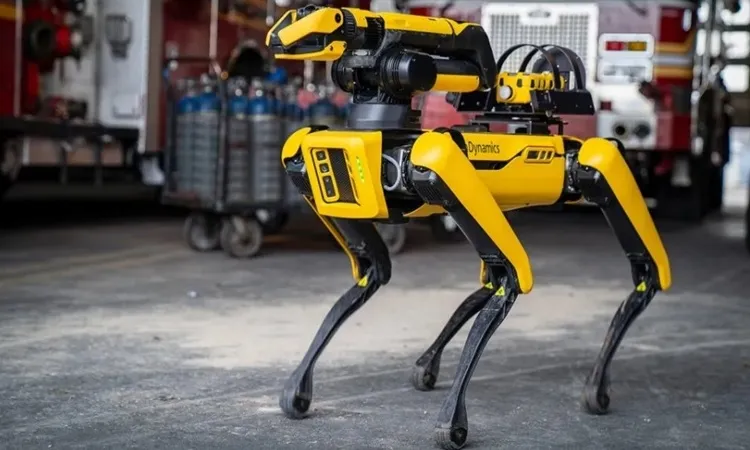 Những robot động vật giải quyết thách thức kỹ thuật
Lấy cảm hứng thiết kế từ tự nhiên, một số robot động vật đáp ứng xuất sắc các nhiệm vụ khó khăn từ giám sát công nghiệp tới thám hiểm dưới nước.
-
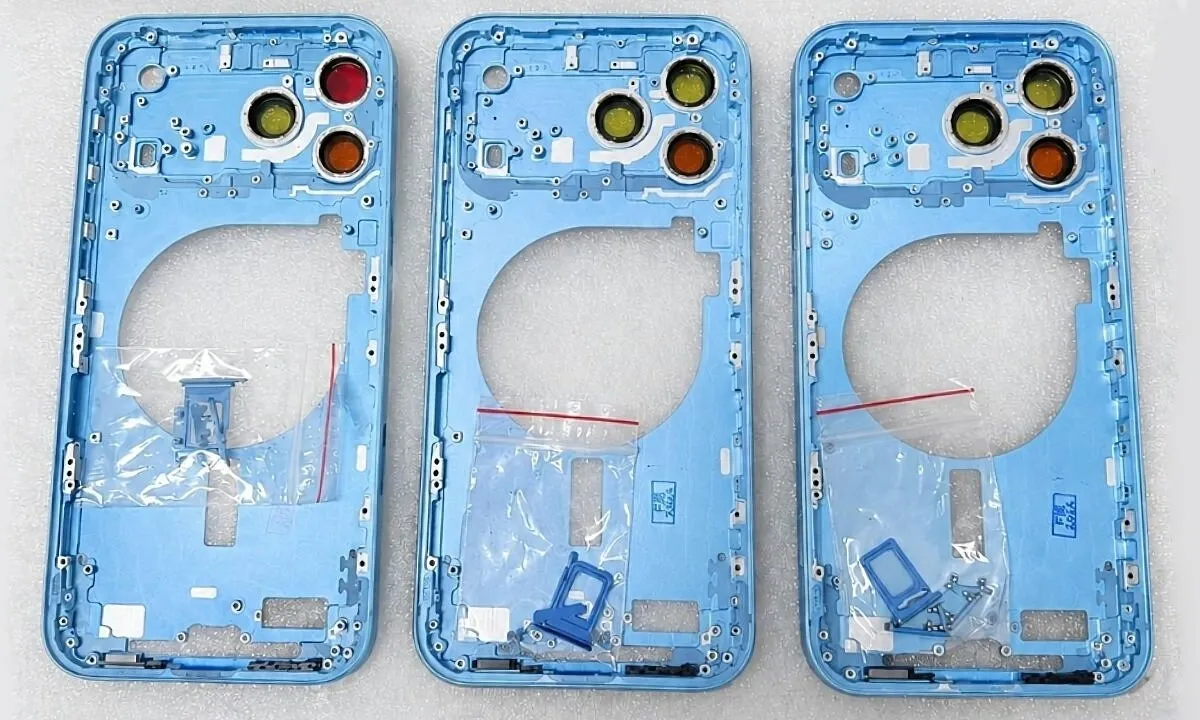 Rò rỉ khung iPhone 18 Pro với ba màu mới
Một số hình ảnh được cho là khung sườn của iPhone 18 Pro xuất hiện trên mạng, cho thấy các tùy chọn màu sắc thực tế của sản phẩm.
-
 Robot 'chú hề' đá trúng khán giả nhí
Khi biểu diễn trước đám đông tại Tân Cương, robot hình người G1 của công ty Unitree vô tình đá vào bụng một cậu bé đứng xem.
-
 Các mẫu laptop gaming nổi bật của ROG 20 năm qua
Dòng Zephyrus G14 mỏng nhẹ, Zephyrus Duo với màn hình đôi, Flow Z13 thiết kế lai tablet là các mẫu laptop gaming đặc biệt của ROG.
-
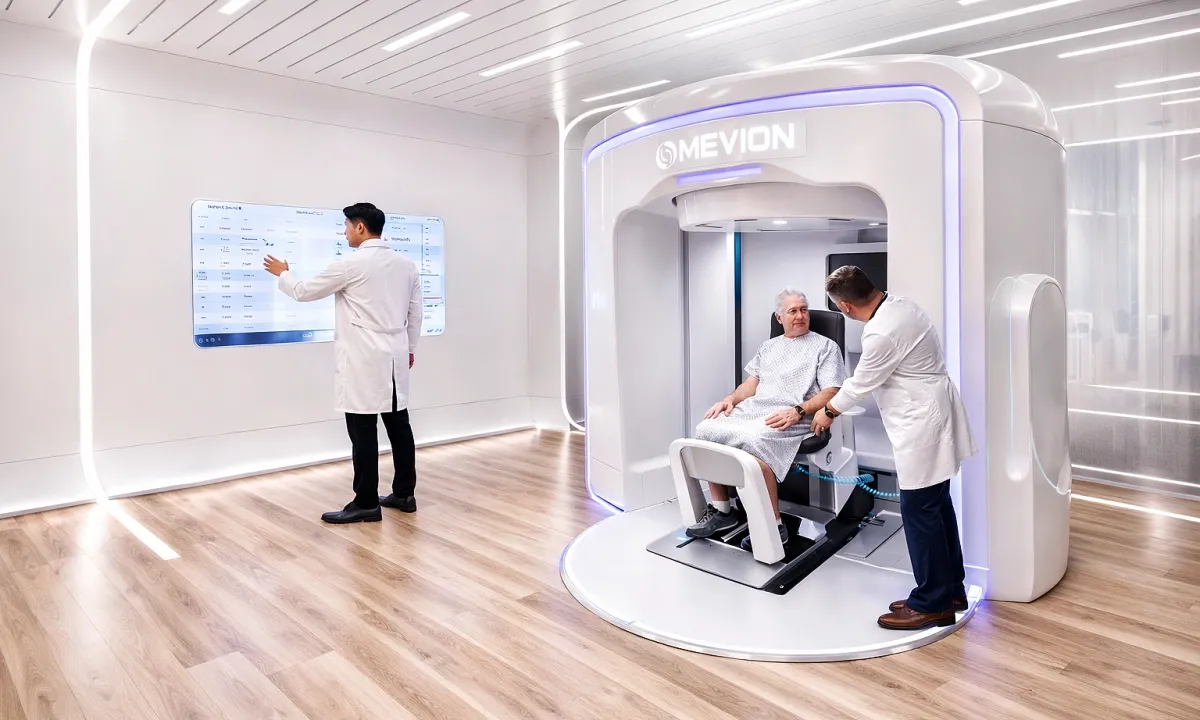 AI hỗ trợ xạ trị trúng đích trong 'siêu máy' 2.000 tỷ đồng
Máy proton Mevion S250-FIT dùng AI tấn công khối u chính xác và an toàn hơn, là hệ thống xạ trị tư thế ngồi đầu tiên trên thế giới của Mevion (Mỹ), được Bệnh viện Tâm Anh đưa về Việt Nam.
-
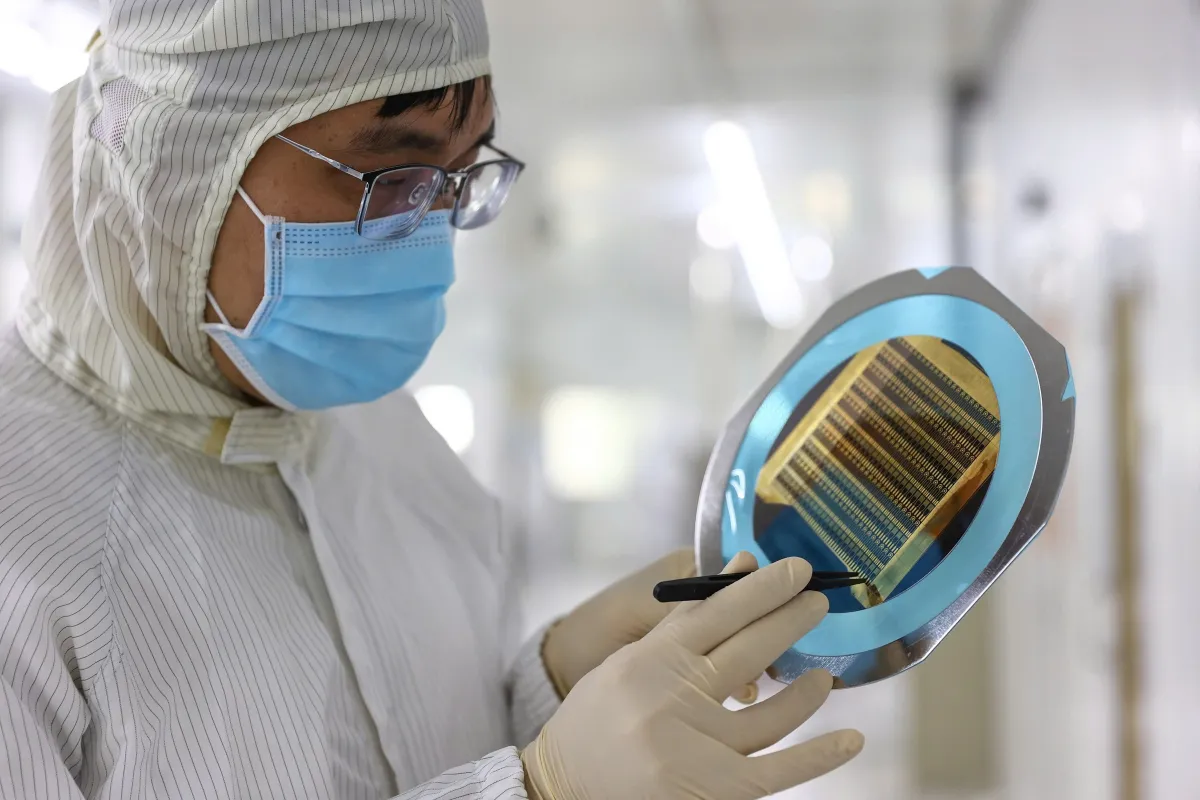 Tái cấu trúc phòng thí nghiệm trọng điểm, làm chủ công nghệ chiến lược
Việt Nam dự kiến xây dựng khoảng 10-15 trung tâm nghiên cứu và phòng thí nghiệm quốc gia quy mô lớn, tập trung vào AI, bán dẫn... phục vụ mục tiêu làm chủ công nghệ chiến lược.
-
 Anthropic: Cần cơ chế dừng phát triển AI toàn cầu
Startup Anthropic cho rằng thế giới cần chuẩn bị phương án giảm tốc hoặc dừng phát triển AI nếu các mô hình có khả năng tự nâng cấp quá nhanh.
-
 Tổng Bí thư, Chủ tịch nước Tô Lâm đề nghị chuyên gia Google hỗ trợ phát triển AI
Trong buổi tiếp ông Eric Schmidt, nguyên Chủ tịch Google, cùng đoàn chuyên gia, Tổng Bí thư, Chủ tịch nước Tô Lâm đề nghị hỗ trợ Việt Nam xây dựng tầm nhìn, chính sách và hệ sinh thái AI.
-
 Máy bay chở khách có tầm bay xa nhất thế giới
Máy bay A350-1000ULR của Airbus có thể bay liên tục 22 giờ với tầm bay tối đa lên tới trên 18.000 km.
-
 Apple 'đá xoáy' trình duyệt Chrome
Trong video giới thiệu khả năng bảo mật dữ liệu riêng tư của Safari, Apple ẩn ý trình duyệt Chrome không bảo vệ người dùng trước những kẻ theo dõi.
-
 Tổng Bí thư, Chủ tịch nước Tô Lâm đề nghị Google hỗ trợ xây dựng hệ sinh thái AI
Trong buổi tiếp ông Eric Schmidt, nguyên Chủ tịch Google, cùng đoàn chuyên gia, Tổng Bí thư, Chủ tịch nước Tô Lâm đề nghị hỗ trợ Việt Nam xây dựng tầm nhìn, chính sách và hệ sinh thái AI.


