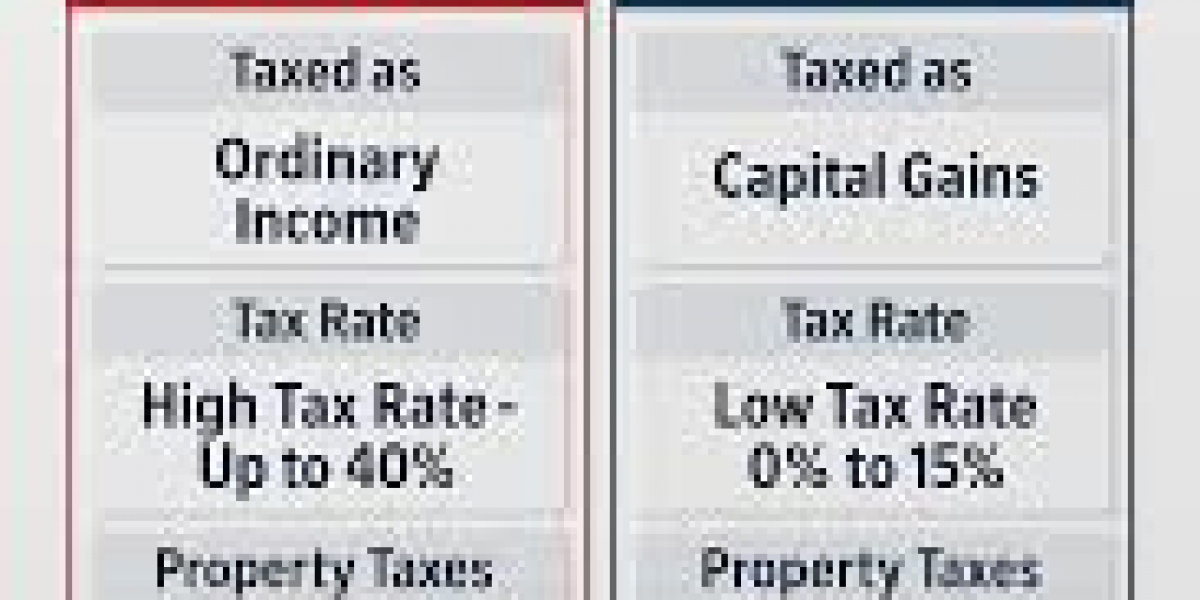
When selling mineral rights, one of the most important financial aspects to understand is how capital gains tax applies. Mineral rights allow owners to benefit from the resources beneath their land, such as oil, gas, or minerals. While these rights can be leased or sold, the sale often triggers a capital gains tax liability that needs careful attention.
What Are Mineral Rights?
capital gains tax on mineral rights sale are legal rights to explore, extract, and profit from minerals located beneath the surface of a property. In many cases, landowners may choose to sell their mineral rights outright rather than receive royalty payments over time. An outright sale involves transferring ownership of the rights in exchange for a lump sum payment. This transaction can lead to a capital gain if the rights are sold for more than their original cost basis.
Understanding Capital Gains Tax
Capital gains tax is the tax applied to the profit earned from the sale of an asset. If you sell mineral rights for more than what you originally paid or invested in them, the profit is considered a capital gain. The IRS classifies capital gains as either short-term or long-term, depending on how long the asset was held before the sale.
If you held the mineral rights for more than one year before selling, any profit is typically treated as a long-term capital gain, which is usually taxed at a lower rate than ordinary income. On the other hand, if you held the rights for less than a year, the gain may be considered short-term and taxed at your regular income tax rate.
Calculating Your Capital Gain
To determine the capital gain on the sale of mineral rights, you need to know the basis of the asset. This includes the original purchase price, any legal fees, or costs associated with acquiring the rights. Subtracting this basis from the sale price will give you the gain.
For example, if you purchased mineral rights for $30,000 and sold them for $50,000, your capital gain would be $20,000. If you held the rights for more than a year, this gain may be taxed at the long-term capital gains rate, which can range from 0% to 20% depending on your overall taxable income.
Impact of Installment Sales
Some mineral rights deals are structured as installment sales, where the seller receives payments over time instead of one lump sum. In such cases, the capital gains tax can also be spread over the years the payments are received. This may help reduce the immediate tax burden and allow better financial planning.
Why Timing Matters
The timing of your mineral rights sale can affect the amount of capital gains tax you owe. Selling during a year when your overall income is lower might reduce your tax rate on the gain. It’s wise to consult a tax advisor to time the sale in a way that minimizes tax impact.
Conclusion
Capital gains tax plays a significant role in the financial outcome of selling mineral rights. By understanding how gains are calculated, knowing the difference between short-term and long-term rates, and planning the timing of the sale, you can make informed decisions. Always consider professional tax guidance to ensure compliance and maximize the benefits of your transaction.

Code Blue Essays
11 posts
-
 Remote Specialist in Bing Ads
"Get expert Bing Ads management remotely. Maximize your ROI with tailored strategies. Hire a skilled Bing Ads specialist today!"
-
 Revitalize Your Radiance: Top Lymphatic Drainage in LA
Revitalize at Beverly Hills Med Spa with expert lymphatic drainage in Los Angeles. Unwind, reduce swelling, and boost well-being. Beauty meets wellness here!
-
 Best Hydrafacial Los Angeles
Don't Use Any Exfoliating Treatments, Like Glycolic Acid Or Enzymes, For At Least 48 Hours After The Treatment.
-
 Kiếm tiền VN Ngày Nay – “Tuyển lính liền tay, có ngay tiền mặt”
VN Ngày Nay là một app kiếm tiền khá đơn giản, thu hút rất nhiều bạn trẻ tại Việt Nam tham gia. Bạn có thể kiếm được vài chục ngàn, thậm chí vài trăm ngàn mỗi ngày chỉ với việc “tuyển lính mới”.
-
 Kiếm tiền VN Ngày Nay – “Tuyển lính liền tay, có ngay tiền mặt”
VN Ngày Nay là một app kiếm tiền khá đơn giản, thu hút rất nhiều bạn trẻ tại Việt Nam tham gia. Bạn có thể kiếm được vài chục ngàn, thậm chí vài trăm ngàn mỗi ngày chỉ với việc “tuyển lính mới”.


