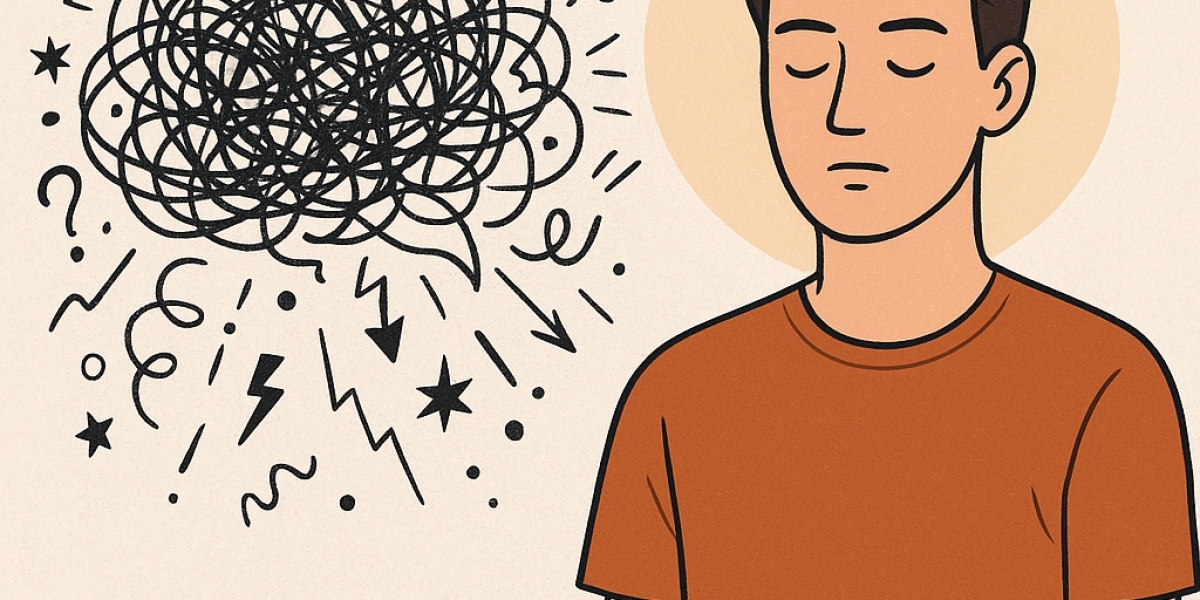
For people with Attention-Deficit/Hyperactivity Disorder (ADHD), life rarely fits neatly into routines. While structure can provide comfort and stability, ADHD often disrupts even the best-laid plans. Missed appointments, forgotten chores, or difficulty staying focused on work are not uncommon. Yet, alongside these challenges lies an incredible ability to adapt, create, and build resilience in the face of unpredictability. Life with ADHD is not only about breaking routines—it’s also about learning to rebuild them in ways that truly work.
The symptoms of ADHD vary widely from one person to another, making it a condition that is often misunderstood. They extend beyond distraction and hyperactivity, affecting multiple aspects of daily life. Common symptoms include:
Difficulty sustaining attention in tasks or conversations
Frequently losing items or forgetting important details
Restlessness and trouble sitting still for long periods
Impulsive behaviors, such as interrupting or making quick decisions without reflection
Periods of hyperfocus on activities of interest, sometimes at the expense of other responsibilities
These symptoms reflect a unique way of processing information and experiences, not a lack of intelligence or motivation.
Routine can be an anchor for many, but for individuals with ADHD, maintaining it consistently often feels like trying to hold water in their hands. Even with the best intentions, distractions, shifting interests, or impulsivity can pull focus away from established plans. A morning routine, for example, might unravel due to misplaced items or sudden bursts of energy directed at something unrelated.
This disruption often creates frustration—not only for the individual but also for family members, teachers, or coworkers who may not understand why “simple tasks” seem so difficult. The emotional weight of these struggles can add another layer of challenge, reinforcing feelings of guilt or inadequacy.
While routines may be fragile, resilience often becomes a defining strength for those with ADHD. Individuals learn to bounce back quickly, find creative solutions, and adapt to unexpected challenges. Instead of following rigid systems, many thrive when routines are flexible and personalized. For example:
Using visual reminders and alarms to compensate for forgetfulness
Breaking large tasks into smaller, manageable steps
Creating engaging and stimulating routines that maintain interest
Accepting that imperfection is part of progress, not failure
This resilience isn’t about ignoring difficulties but about developing new ways to navigate them.
The treatment of ADHD goes beyond trying to enforce strict routines. Effective care considers the unique challenges and strengths of each individual. Common treatment approaches include:
Behavioral Therapy: Helps build strategies for time management, organization, and emotional regulation.
Coaching and Support Groups: Provide accountability, encouragement, and a sense of community.
Lifestyle Strategies: Regular exercise, mindfulness practices, balanced nutrition, and consistent sleep routines improve both focus and emotional health.
By combining these approaches, individuals can create systems that work for them, rather than trying to fit into rigid frameworks that may not suit the ADHD brain.
For many, the medication of ADHD plays a vital role in balancing daily life. Stimulant medications, such as methylphenidate and amphetamines, are commonly prescribed and proven to improve attention, focus, and impulse control. Non-stimulant medications are also available for those who need alternatives.
Medication is not about “fixing” ADHD, but rather about providing clarity and consistency that make routines more manageable. When combined with therapy and lifestyle adjustments, medication can significantly reduce the daily chaos, allowing individuals to focus on building resilience instead of constantly recovering from disruption.
Success for someone with ADHD may not always look like a perfectly followed routine or a spotless calendar. Instead, it might mean finishing a project despite distractions, learning to ask for help when needed, or finding ways to use hyperfocus productively. Resilience grows not from eliminating all struggles but from embracing differences and learning how to work with them.
Too often, ADHD is dismissed as laziness, immaturity, or a lack of discipline. These misconceptions ignore both the neurological basis of the condition and the resilience it fosters. Breaking the stigma requires understanding that ADHD is not a character flaw but a different way of experiencing and responding to the world. With compassion and support, individuals can thrive while embracing their unique strengths.
Life with ADHD means routines may break, but resilience is constantly built in their place. Recognizing the symptoms of ADHD, exploring effective treatment of ADHD, and considering the right medication of ADHD are all essential steps in creating a balanced life.
ADHD is not about failure—it’s about adaptation. Each setback becomes a chance to rebuild stronger, and each challenge is an opportunity to discover new strengths. By shifting the focus from broken routines to resilience, life with ADHD becomes less about limitations and more about the unique possibilities it offers.

willams jackhbb
6Blog posts
-
 Brand Identity and Tenant Experience: Cultivating Loyalty at Elan Empire Gurgaon
Securing high occupancy in a premium high-street asset is only half the battle. For long-term viability, property management and individual investors must shift their focus to building tenant loyalty and creating a distinctive brand identity.
-
 Master Review: Evaluating Godrej Nature Plus, Sector 33, Gurgaon
The layout uses a smart structural pattern where towers are angled away from each other. This creates a staggered footprint that gives corner apartments clear, unblocked views of the Aravalli foothills while ensuring optimal morning and afternoon sunlight. Inside the towers, the floor plan
-
 BPTP Downtown 66: A Masterpiece of Vertical Luxury in Sector 66
BPTP Downtown 66 has emerged as one of the most anticipated high-rise developments on the Golf Course Extension Road. Designed by the globally acclaimed architectural firm Aedas, this project is not just a residential complex but a vertical ecosystem where luxury meets functionality.
-
 Aesthetic Clinic in Australia | Beauty Clinic in Carolina | PM Aesthetics
Discover a trusted aesthetic clinic in Australia and a professional beauty clinic in Carolina. PM Aesthetics offers advanced skincare, cosmetic treatments, and personalized beauty solutions.
-
 The Masterful Synergy at Signature Global Tonino Lamborghini
Signature Global Tonino Lamborghini Residences represents a ₹2,890 crore synergy of Italian supercar aesthetics and Indian engineering excellence in Sector 71.
-
 Sidewalk Repair NYC: A Complete Guide for Property Owners
Sidewalks in New York City endure constant wear and tear due to heavy foot traffic, extreme weather conditions, and tree root growth. Over time, cracks, uneven surfaces, and potholes can develop. These issues not only create an unpleasant appearance but also pose serious safety hazards for
-
 Why Natural Stone Wall Panels Are Becoming the First Choice for Modern Interiors
Discover why natural stone wall panels are becoming a top choice for modern interiors and exteriors. Learn about their durability, aesthetic appeal, and versatile applications for residential and commercial spaces.
-
 Chemical Supplier for Industrial in UAE: Reliable Solutions for Modern Industries
Find a reliable chemical supplier for industrial in UAE offering high-quality products, consistent supply, and tailored solutions for manufacturing, oil & gas, construction, and water treatment industries.
-
 Signature Global Cloverdale SPR Gurgaon – A Modern Address for Comfortable Living
This connectivity allows residents to easily access major employment hubs, corporate offices, and business districts. The proximity to IGI Airport further adds to its appeal, especially for professionals who travel frequently.
-
 The Vertical Revolution: Living Above the Ordinary at Sobha Rivana
Sobha Rivana is a G+45 floor architectural landmark in Sector 1, Greater Noida West, featuring a low-density design with only four units per floor and four high-speed elevators. It offers a premium lifestyle with 11-foot high ceilings, 80% open green space, and a 50,000 sq. ft. clubhouse,
-
 Find the Perfect Christmas Jewellery at Stonex Jewellers
Our Christmas collection features a wide range of designs, from classic to contemporary, ensuring there is something for everyone.


