Biometric System Market Boosted by Advanced Sensors Enabling Biometric Verification Through Everyday Devices


The biometric system market is experiencing significant growth as advanced sensors are enabling biometric verification through everyday devices. Modern smartphones, laptops, tablets, and wearable technology now incorporate sophisticated fingerprint scanners, facial recognition cameras, and iris sensors, making secure authentication more accessible, convenient, and reliable for consumers and enterprises alike.
The proliferation of connected devices, combined with rising cybersecurity threats and increasing reliance on digital services, has fueled demand for biometric solutions. These systems allow organizations to authenticate users quickly and accurately without the need for traditional passwords or security tokens, while also enhancing user convenience.
Advanced Sensors Driving Biometric Adoption
Recent advancements in sensor technology are central to the widespread adoption of biometrics. These sensors offer:
High Accuracy: Modern fingerprint, facial, and iris sensors can detect minute details, reducing false positives and negatives.
Speed and Responsiveness: Verification processes are completed in seconds, providing seamless user experiences.
Compact Design: Miniaturized sensors can be embedded in smartphones, laptops, and wearable devices without affecting device aesthetics.
Environmental Adaptability: Advanced sensors function accurately in varied lighting, temperature, and surface conditions, improving reliability across contexts.
These capabilities allow biometric authentication to be integrated into devices that people use daily, making security a seamless part of their digital lives.
Applications Across Devices and Sectors
1. Smartphones and Tablets
Most modern mobile devices feature fingerprint scanners, facial recognition, and voice verification. These allow secure mobile banking, e-commerce transactions, app logins, and device access.
2. Laptops and PCs
Biometric sensors on laptops enhance enterprise security by enabling secure access to systems, confidential documents, and cloud platforms without cumbersome passwords.
3. Wearables and Smart Devices
Wearables such as smartwatches and fitness trackers now integrate biometric sensors to verify identity, enable secure payments, and monitor health data in a personalized and protected manner.
4. Enterprise Security Systems
Office access control, time and attendance systems, and multi-factor authentication processes increasingly use device-based biometric sensors for seamless verification and operational efficiency.
Market Drivers
The growth of the biometric system market is supported by multiple factors:
Digital Transformation: The shift to online services, remote work, and digital transactions has increased the need for secure identity verification.
Rising Cybersecurity Threats: Biometrics provide a more secure alternative to passwords, reducing risks of hacking and identity theft.
Consumer Convenience: Biometric verification on everyday devices eliminates the need for complex passwords or tokens.
Regulatory Compliance: Organizations must meet security standards and privacy regulations that encourage biometric authentication.
Advancements in AI: AI-powered sensors enhance recognition accuracy and prevent spoofing attempts.
Emerging Trends
Multimodal Biometric Devices: Combining fingerprint, facial, and iris recognition for enhanced security.
Edge-Based Processing: On-device biometric verification improves speed and reduces reliance on cloud infrastructure.
Behavioral Biometrics: Devices track user behavior such as typing patterns or gait for continuous authentication.
Biometric Payments: Increasing adoption of biometric-enabled wallets and contactless payments through everyday devices.
Challenges
While device-based biometric verification offers significant advantages, there are challenges:
Privacy Concerns: Users are wary of how biometric data is stored and used.
Device Compatibility: Not all devices support advanced sensors, limiting adoption in certain markets.
Cost Implications: High-quality sensors increase device manufacturing costs.
Security Risks: Despite advanced sensors, biometrics must be combined with other security measures to prevent spoofing.
Future Outlook
The future of the biometric system market is bright, with device integration poised to drive further expansion. Key developments expected include:
Wider Adoption Across Consumer Electronics: Biometric sensors in TVs, home assistants, and IoT devices.
Enhanced AI Integration: Real-time learning algorithms will improve sensor accuracy and fraud detection.
Standardization and Interoperability: Unified protocols for sensor data will improve cross-device compatibility.
Mass Adoption in Enterprise Ecosystems: Biometric verification on employee devices will become standard for secure hybrid work environments.
Conclusion
The biometric system market is being significantly boosted by the integration of advanced sensors into everyday devices. By enabling fast, secure, and convenient verification, these sensors are transforming how individuals interact with technology while strengthening cybersecurity across sectors. As innovation continues, the adoption of device-based biometrics is set to expand further, making secure identity verification a seamless part of daily life.
Aradhana Nair
41 posts
-
 Taxi và xe tải lao xuống ruộng sau cú tông trời giáng
Lao tốc độ cao qua ngã tư, chiếc xe taxi tông thẳng vào đuôi xe tải phía trước rồi cả hai rơi xuống ruộng, hôm 19/6 tại Thanh Miện.
-
 Có bị tính vượt đèn đỏ khi chờ ở làn rẽ trái không?
Khi đến ngã tư đèn đang đỏ, nhưng làn chờ rẽ trái vẽ nối tiếp lên phía trước, tôi có được vượt qua vạch. (Tuấn Anh)
-
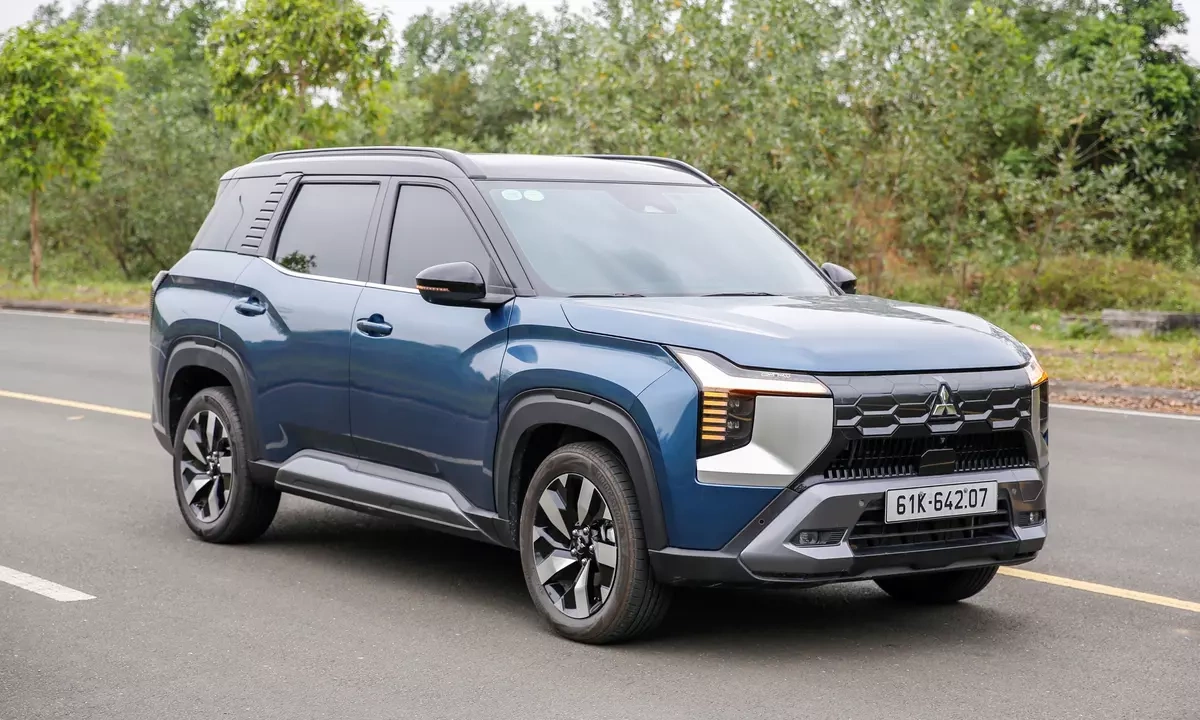 Những lựa chọn ôtô 7 chỗ cho gia đình đông con từ 1/7
Quy định bắt buộc lắp ghế trẻ em từ 1/7 khiến nhiều khách hàng có nhu cầu lựa chọn MPV hay SUV 7 chỗ thay vì xe 5 chỗ.
-
 Sếp Toyota: 'Một mẫu xe có quá nhiều phiên bản'
CEO Kenta Kon cho rằng Toyota đang tạo ra quá nhiều biến thể của cùng một sản phẩm nên một số mẫu có thể bị loại bỏ.
-
 Xe Toyota sẽ cắt giảm số lượng phiên bản
CEO Kenta Kon cho rằng Toyota đang tạo ra quá nhiều biến thể của cùng một sản phẩm nên một số mẫu có thể bị loại bỏ.
-
 Audi triệu hồi e-tron, Q8 e-tron nghi lỏng bàn đạp phanh
Tổng 9 xe nằm trong đợt triệu hồi có thời gian sản xuất từ 2/2/2018 đến 11/6/2024 được nhập khẩu và phân phối chính hãng tại Việt Nam.
-
 Xe con chuyển làn bị xe khách tông: ai sai?
Bật xi-nhan, xe con chuyển sang làn đường sát dải phân cách thì xe khách lao tới.
-
 Toyota TR010 Hybrid - tinh hoa công nghệ của hãng xe Nhật
Mẫu xe đua hybrid sử dụng hàng loạt công nghệ vật liệu cùng động cơ hybrid để về đích nhanh nhất nhưng vẫn đảm bảo ổn định sau 24 giờ.
-
 Thaco Auto và Stellantis mở rộng chiến lược đa thương hiệu
Sự kiện giới thiệu bộ đôi thương hiệu Jeep, Ram, hai dòng Peugeot 3008 và 5008 mới, xác lập cột mốc chiến lược trong quan hệ hợp tác Thaco Auto và Stellantis.
-
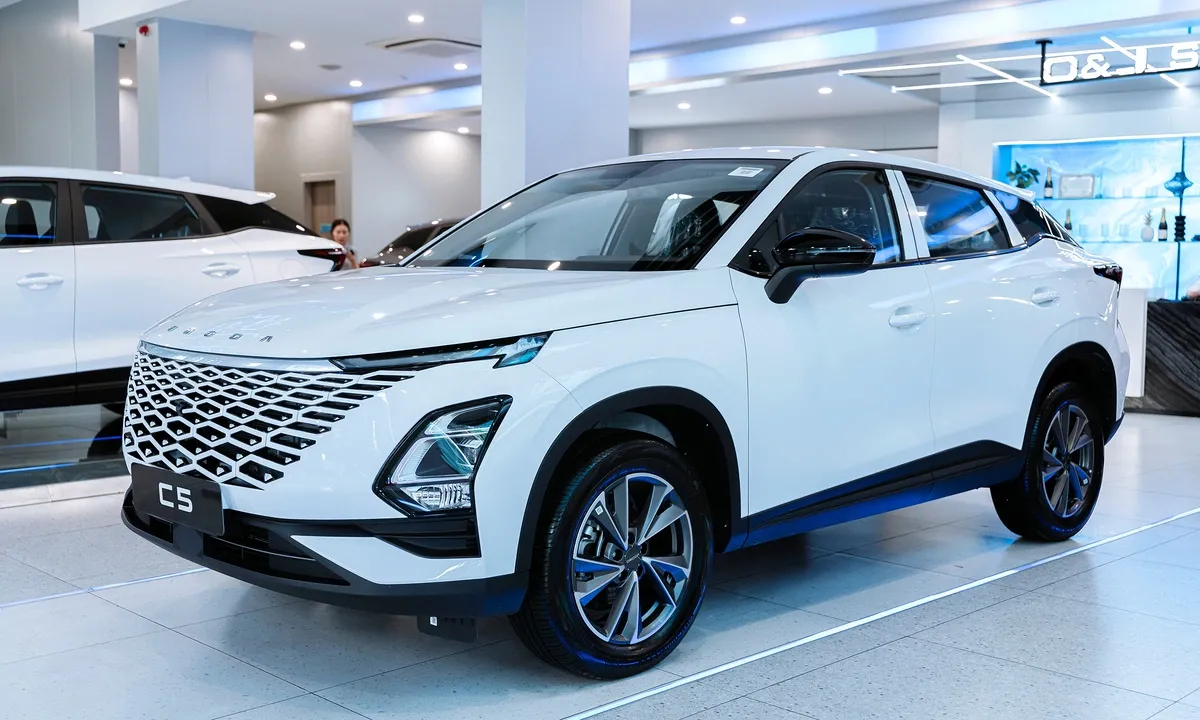 Omoda C5 thêm bản Sport giá 559 triệu đồng
Mẫu xe gầm cao cỡ B bổ sung lựa chọn cho khách hàng Việt, bản Sport mới trang bị nhiều tính năng.
-
 Chờ đèn trước đầu xe tải, người phụ nữ bị cuốn vào gầm
Quay ngang xe máy dừng chờ đèn đỏ trước đầu xe tải, khi đèn chuyển xanh, người đi xe máy gặp nạn.


