
In an increasingly digital and security-conscious world, the demand for accurate, fast, and reliable identification methods has never been higher. Biometric systems offer a cutting-edge solution by using unique physical or behavioral characteristics—such as fingerprints, facial features, or voice patterns—for identity verification. These systems are transforming everything from airport security to smartphone authentication, banking, and workforce management.
The biometric system market comprises technologies that identify individuals based on physical or behavioral characteristics such as fingerprints, facial recognition, iris, or voice. Applications include security, access control, banking, and healthcare. The market is segmented by authentication type, component, application, and region, with rising adoption across public and private sectors.
A biometric system is a technology that identifies or verifies individuals based on biological traits. It captures, stores, and compares biometric data against stored records to confirm identity. Biometric systems are used for two primary purposes:
Identification: Determining who someone is from a group.
Verification: Confirming a person’s claimed identity.
Fingerprint Recognition: Analyzes patterns of ridges and valleys on a fingertip.
Facial Recognition: Measures the geometric structure of the face.
Iris and Retina Scanning: Uses patterns in the iris or retina for high-security applications.
Palm Vein Recognition: Scans vascular patterns inside the hand.
Hand Geometry: Measures the shape and size of the hand.
Voice Recognition: Analyzes voice tone, pitch, and speaking style.
Keystroke Dynamics: Captures typing rhythm and speed.
Gait Analysis: Monitors walking style and body movement.
Enrollment: The user’s biometric trait is captured and stored as a reference template.
Acquisition: A fresh sample is captured during authentication.
Extraction: Features are extracted from the new sample.
Comparison: The system compares the extracted features to the stored template.
Decision: If the match is within an acceptable threshold, access is granted.
Used in offices, airports, data centers, and secure facilities.
Replaces or supplements ID cards and passwords.
Fingerprint and facial recognition for unlocking smartphones and apps.
Enhances mobile payment authentication.
Secure customer onboarding and transaction verification.
Prevents fraud and identity theft.
Biometric databases assist in criminal identification and forensic investigations.
Ensures accurate patient identification.
Prevents duplicate records and unauthorized access to medical data.
Time and attendance systems based on fingerprint or facial scans.
Prevents buddy punching and improves payroll accuracy.
High Security: Difficult to forge or replicate biometric traits.
Convenience: No need to remember passwords or carry ID cards.
Speed and Efficiency: Fast and automated identification process.
Accountability: Tracks individual actions and access.
Scalability: Suitable for both small-scale and enterprise applications.
Privacy Concerns: Biometric data is sensitive and must be protected.
Accuracy Issues: Environmental factors or physical changes can affect performance.
Cost of Deployment: High-quality sensors and systems may be expensive.
Legal and Ethical Compliance: Data handling must align with regulations like GDPR.
Multimodal Biometrics: Combining two or more biometric modalities for increased accuracy.
AI and Machine Learning: Enhancing pattern recognition and reducing false matches.
Touchless and Remote Authentication: Post-pandemic demand for contactless solutions.
Blockchain Integration: Securing biometric data using decentralized technology.
Biometrics as a Service (BaaS): Cloud-based solutions for easier integration and scalability.
Biometric systems are revolutionizing identity verification by offering a secure, reliable, and user-friendly alternative to traditional authentication methods. As technology continues to evolve, biometrics will play an even more central role in protecting digital identities, securing physical spaces, and enhancing user experiences across various industries.
Related Reports:

Shraddha Dhumal
31 posts
-
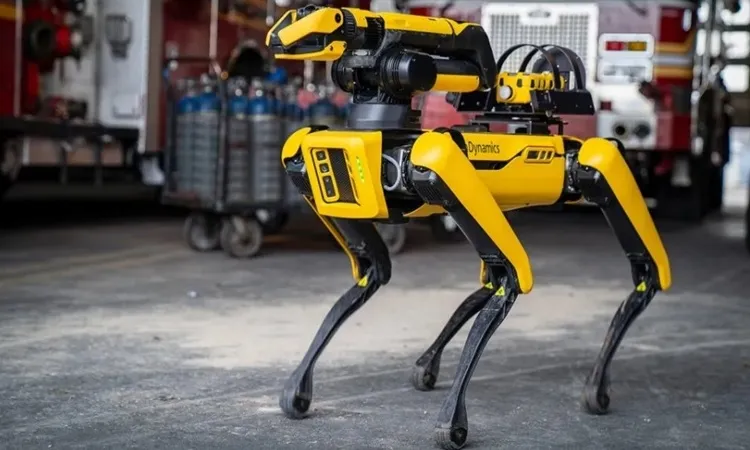 Những robot động vật giải quyết thách thức kỹ thuật
Lấy cảm hứng thiết kế từ tự nhiên, một số robot động vật đáp ứng xuất sắc các nhiệm vụ khó khăn từ giám sát công nghiệp tới thám hiểm dưới nước.
-
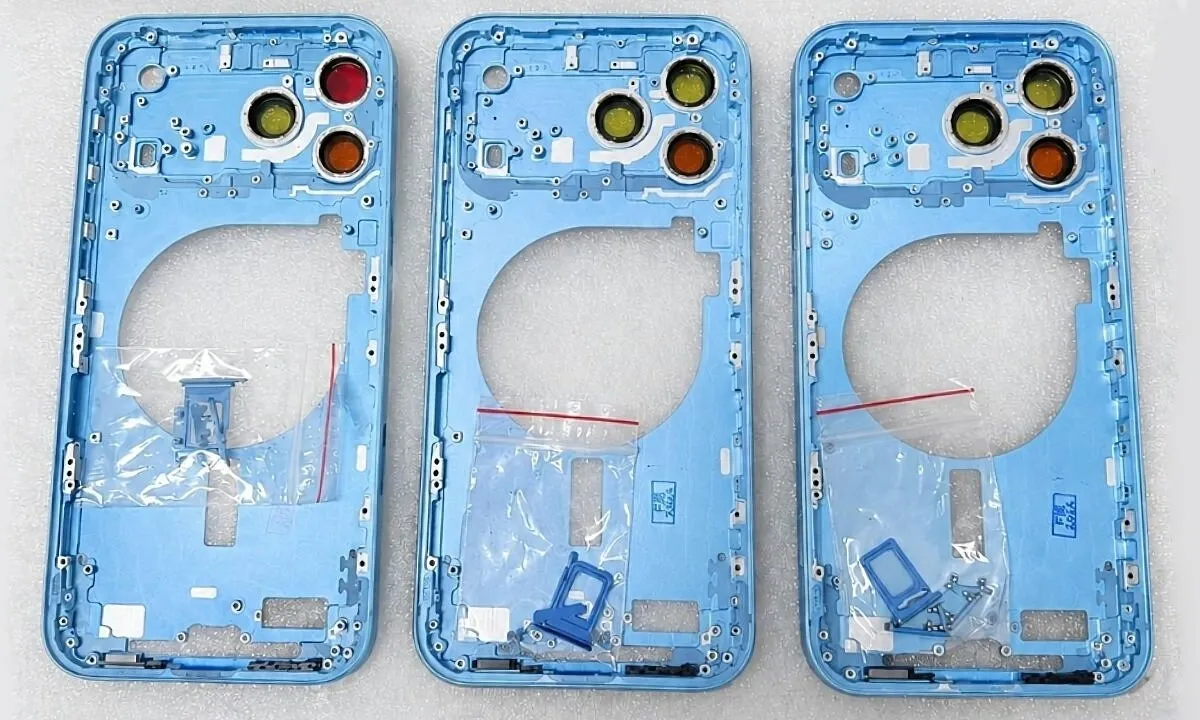 Rò rỉ khung iPhone 18 Pro với ba màu mới
Một số hình ảnh được cho là khung sườn của iPhone 18 Pro xuất hiện trên mạng, cho thấy các tùy chọn màu sắc thực tế của sản phẩm.
-
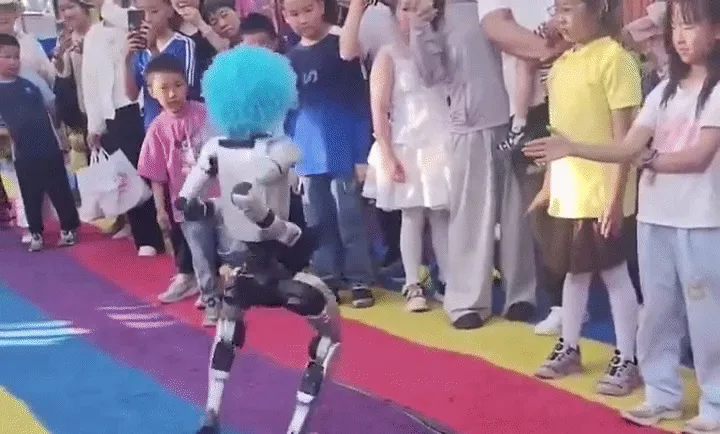 Robot 'chú hề' đá trúng khán giả nhí
Khi biểu diễn trước đám đông tại Tân Cương, robot hình người G1 của công ty Unitree vô tình đá vào bụng một cậu bé đứng xem.
-
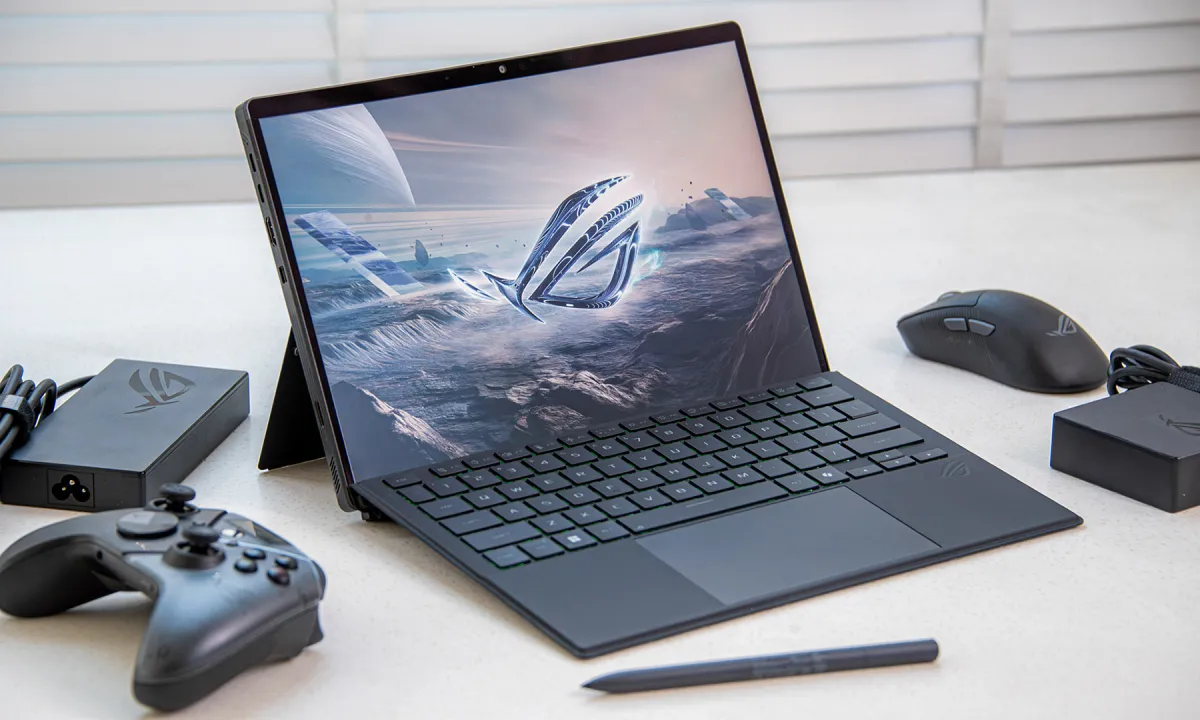 Các mẫu laptop gaming nổi bật của ROG 20 năm qua
Dòng Zephyrus G14 mỏng nhẹ, Zephyrus Duo với màn hình đôi, Flow Z13 thiết kế lai tablet là các mẫu laptop gaming đặc biệt của ROG.
-
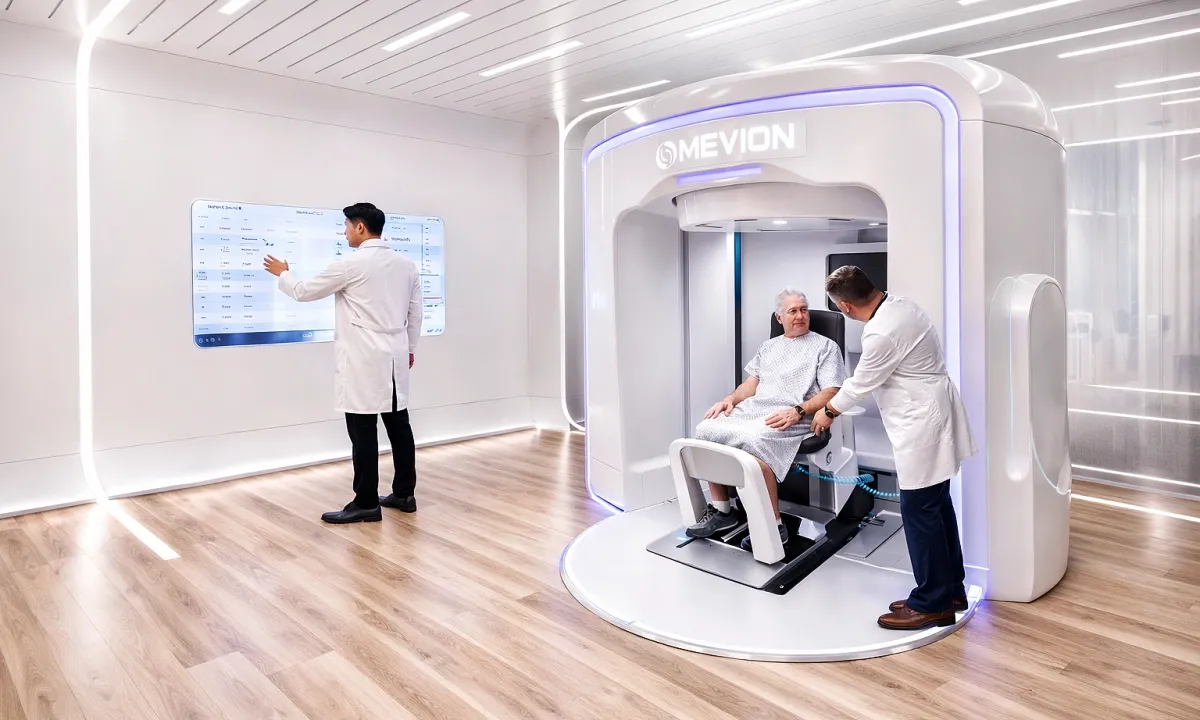 AI hỗ trợ xạ trị trúng đích trong 'siêu máy' 2.000 tỷ đồng
Máy proton Mevion S250-FIT dùng AI tấn công khối u chính xác và an toàn hơn, là hệ thống xạ trị tư thế ngồi đầu tiên trên thế giới của Mevion (Mỹ), được Bệnh viện Tâm Anh đưa về Việt Nam.
-
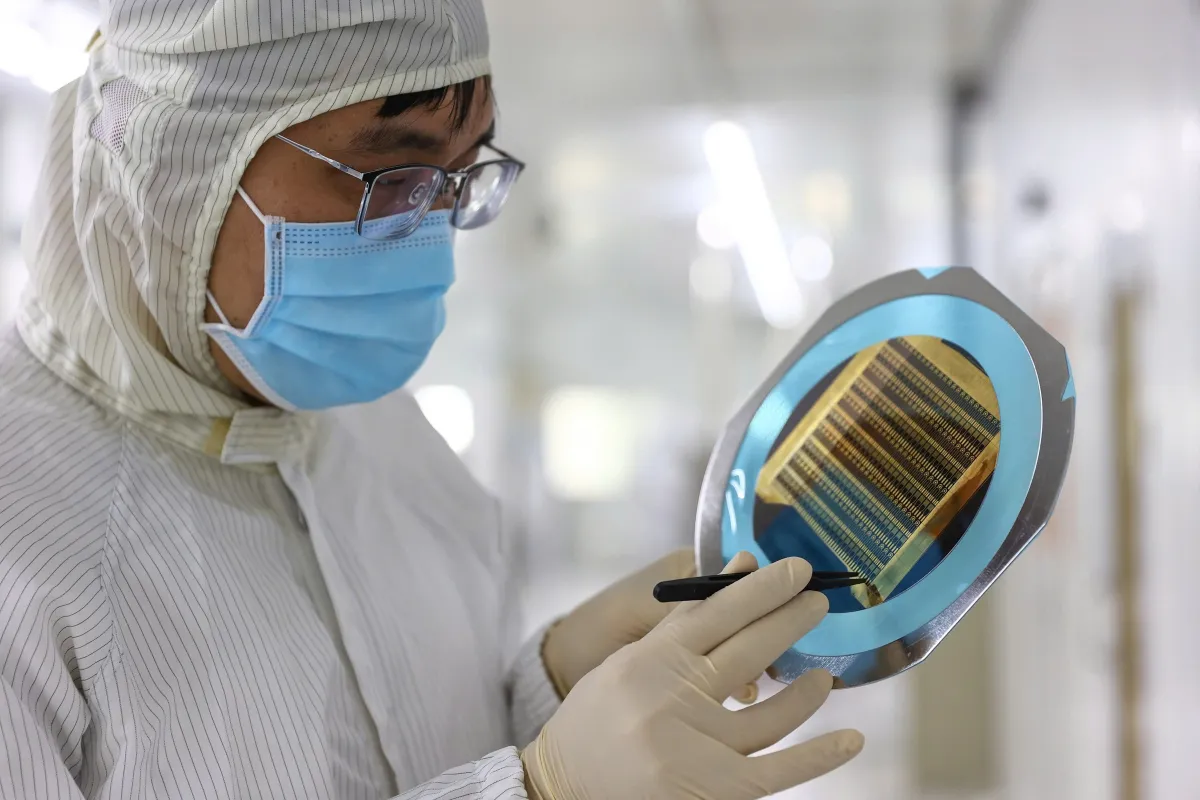 Tái cấu trúc phòng thí nghiệm trọng điểm, làm chủ công nghệ chiến lược
Việt Nam dự kiến xây dựng khoảng 10-15 trung tâm nghiên cứu và phòng thí nghiệm quốc gia quy mô lớn, tập trung vào AI, bán dẫn... phục vụ mục tiêu làm chủ công nghệ chiến lược.
-
 Anthropic: Cần cơ chế dừng phát triển AI toàn cầu
Startup Anthropic cho rằng thế giới cần chuẩn bị phương án giảm tốc hoặc dừng phát triển AI nếu các mô hình có khả năng tự nâng cấp quá nhanh.
-
 Tổng Bí thư, Chủ tịch nước Tô Lâm đề nghị chuyên gia Google hỗ trợ phát triển AI
Trong buổi tiếp ông Eric Schmidt, nguyên Chủ tịch Google, cùng đoàn chuyên gia, Tổng Bí thư, Chủ tịch nước Tô Lâm đề nghị hỗ trợ Việt Nam xây dựng tầm nhìn, chính sách và hệ sinh thái AI.
-
 Máy bay chở khách có tầm bay xa nhất thế giới
Máy bay A350-1000ULR của Airbus có thể bay liên tục 22 giờ với tầm bay tối đa lên tới trên 18.000 km.
-
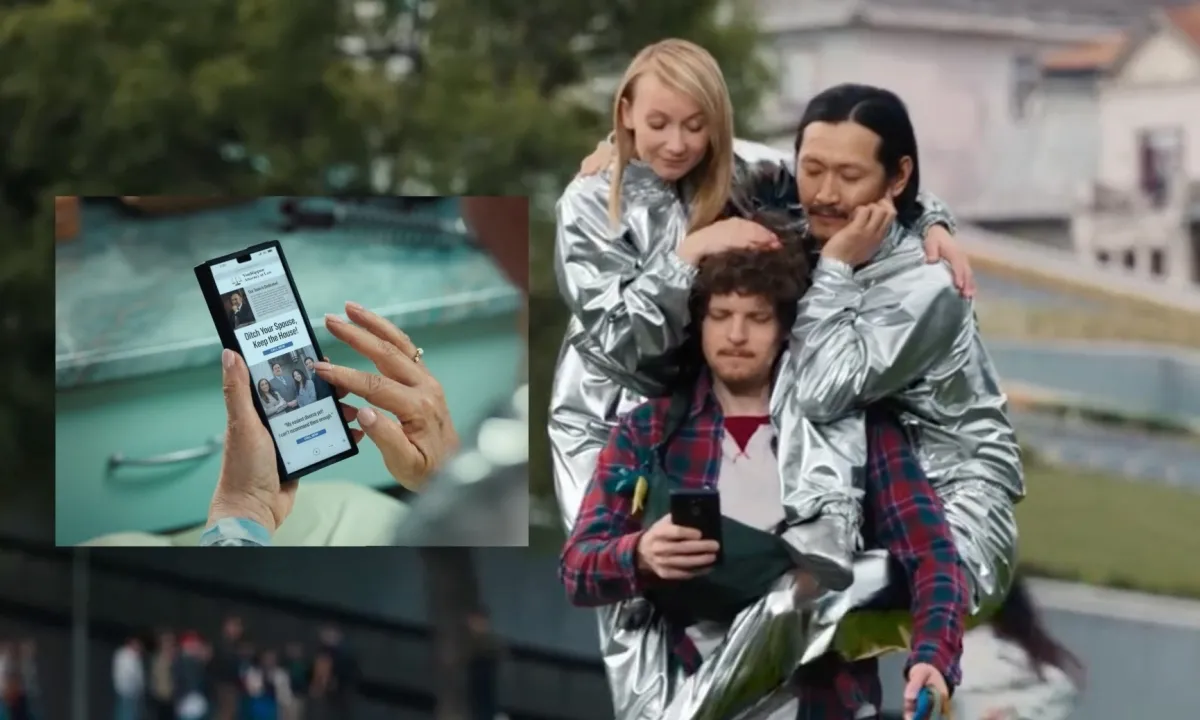 Apple 'đá xoáy' trình duyệt Chrome
Trong video giới thiệu khả năng bảo mật dữ liệu riêng tư của Safari, Apple ẩn ý trình duyệt Chrome không bảo vệ người dùng trước những kẻ theo dõi.
-
 Tổng Bí thư, Chủ tịch nước Tô Lâm đề nghị Google hỗ trợ xây dựng hệ sinh thái AI
Trong buổi tiếp ông Eric Schmidt, nguyên Chủ tịch Google, cùng đoàn chuyên gia, Tổng Bí thư, Chủ tịch nước Tô Lâm đề nghị hỗ trợ Việt Nam xây dựng tầm nhìn, chính sách và hệ sinh thái AI.


