
The term BDMovies has evolved into a cultural phenomenon over the past decade, symbolizing not just Bangladeshi films but also the transformation of how content is created, distributed, and consumed in Bangladesh. What once began as a modest industry grounded in theater releases and VHS tapes has blossomed into a multifaceted cinematic ecosystem, thanks to technological innovation and a growing audience both at home and abroad. This article explores the journey, current landscape, and future of BDMovie culture in the digital era.
Bangladeshi cinema, commonly referred to as Dhallywood (a portmanteau of Dhaka and Hollywood), dates back to the early 1950s. After the country's independence in 1971, the film industry witnessed a renaissance with a slew of patriotic, romantic, and socially aware films. Pioneers like Zahir Raihan, Ritwik Ghatak, and Alamgir Kabir left an indelible mark with their bold storytelling and cinematic techniques.
For decades, cinemas like Balaka and Modhumita in Dhaka were central to public entertainment. Films such as Surjo Dighol Bari, Titash Ekti Nadir Naam, and Chhutir Ghonta became cult classics. However, the industry also faced issues like poor funding, lack of innovation, and piracy, which stagnated its growth until the digital revolution reshaped the playing field.
While "BDMovies" literally refers to Bangladeshi movies, today it encompasses a wider cultural and digital experience. It is a keyword for film enthusiasts, online content distributors, YouTube channels, streaming services, and even pirated content sites. The word holds different meanings for different people:
For a cinephile, it might mean quality films from auteurs like Mostofa Sarwar Farooki or Mejbaur Rahman Sumon.
For a college student, it may be a go-to search term on YouTube for free access to local dramas and feature films.
For digital marketers and SEO professionals, it’s a high-traffic keyword with commercial value.
Thus, BDMovie has become a digital brand of sorts—one that encapsulates the past, present, and future of Bangladeshi cinema.
The OTT (Over-the-Top) revolution has had a profound impact on how BDMovies are consumed today. Platforms like Chorki, Binge, Toffee, and Bioscope have democratized access to cinema, allowing users to stream content directly to their smartphones and smart TVs. These services offer a mix of new releases, classic films, and exclusive web series tailored to Bangladeshi audiences.
Chorki, in particular, has been a game-changer. By investing in original content and signing big stars like Afran Nisho, Pori Moni, and Siam Ahmed, it has helped uplift the industry’s reputation. With subtitles and global access, Bangladeshi films are now reaching NRBs (Non-Resident Bangladeshis) and global cinephiles alike.
YouTube has become one of the most popular platforms for consuming BDMovie content. Production houses and independent creators now release short films, dramas, and even full-length movies on their channels. While this has made content more accessible, it has also posed challenges.
Positives:
New filmmakers can showcase their work without needing a theatrical release.
Revenue can be generated through ads and sponsorships.
Viewers get free access to quality content.
Negatives:
The quality of content varies drastically.
Piracy and re-uploads of copyrighted films are rampant.
Earnings are not always proportionate to the production cost.
Nonetheless, YouTube remains an essential platform for the growth and visibility of the BDMovie scene.
Bangladeshi cinema has always leaned toward melodrama, romance, and social issues, but in recent years, several genres have gained popularity among viewers:
From old classics like Beder Meye Josna to modern web series like Networker Baire, romantic stories continue to strike a chord with audiences.
With shows like Mohanagar and films like Poran, thrillers have gained significant traction, especially among younger viewers.
Films like Aynabaji, Shongram, and Fagun Haway reflect Bangladesh’s cultural and historical richness.
Light-hearted stories that depict everyday life in rural and urban Bangladesh have found a loyal fanbase.
Film festivals have played a crucial role in globalizing the BDMovie brand. Events like the Dhaka International Film Festival, Shilpakala Film Fair, and International Short & Independent Film Festival bring recognition to local talent and offer exposure to international audiences.
Awards such as the Meril-Prothom Alo Awards, National Film Awards, and Bachsas Awards not only recognize excellence but also inspire young filmmakers to pursue quality over quantity.
Despite its recent growth, the industry still faces several obstacles:
Producing a high-quality film requires significant investment, but many filmmakers struggle to secure funding. Government grants exist but are limited and often come with bureaucratic challenges.
Illegal downloads and unauthorized streaming have long plagued the BDMovie ecosystem. This not only affects revenue but also discourages producers from taking creative risks.
There’s a shortage of modern theaters across the country. Rural areas, in particular, lack access to cinema halls, which limits box office earnings.
A large portion of released content suffers from weak storytelling, poor acting, and low production values. There’s a need for more film schools, workshops, and mentoring to raise the bar.
One of the most exciting developments in recent years is the international interest in Bangladeshi films. Festivals in Berlin, Toronto, and London have screened BDMovies, while streaming platforms are licensing content for global audiences. Filmmakers like Rubaiyat Hossain, Abdullah Mohammad Saad, and Nuhash Humayun have garnered praise beyond Bangladesh’s borders.
Social media campaigns and subtitles in English and other languages have made BDMovie content more inclusive, especially for younger generations living abroad who wish to stay connected with their roots.
The future of BDMovie culture lies in embracing innovation without losing its cultural essence. Here are a few trends that may shape the industry:
AI and VFX: Better technology will enhance production quality and allow for more ambitious storytelling.
International Collaborations: Co-productions with Indian, European, or Middle Eastern companies could open up new markets.
Micro-cinemas and Film Clubs: As people seek more intimate, curated experiences, niche cinema halls and online film clubs may gain popularity.
Education and Training: Institutions offering specialized film education will foster new talent capable of competing on a global stage.
BDMovie is more than a trending search term or a casual way to describe Bangladeshi cinema—it's a reflection of a nation's evolving identity, creativity, and resilience. As digital platforms expand, global interest increases, and new talents emerge, the BDMovie scene is poised for a golden era. All it needs now is consistent support—from the audience, the government, and industry stakeholders—to achieve its full potential.

Nguyennam Happy
29Blog posts
-
 Brand Identity and Tenant Experience: Cultivating Loyalty at Elan Empire Gurgaon
Securing high occupancy in a premium high-street asset is only half the battle. For long-term viability, property management and individual investors must shift their focus to building tenant loyalty and creating a distinctive brand identity.
-
 Master Review: Evaluating Godrej Nature Plus, Sector 33, Gurgaon
The layout uses a smart structural pattern where towers are angled away from each other. This creates a staggered footprint that gives corner apartments clear, unblocked views of the Aravalli foothills while ensuring optimal morning and afternoon sunlight. Inside the towers, the floor plan
-
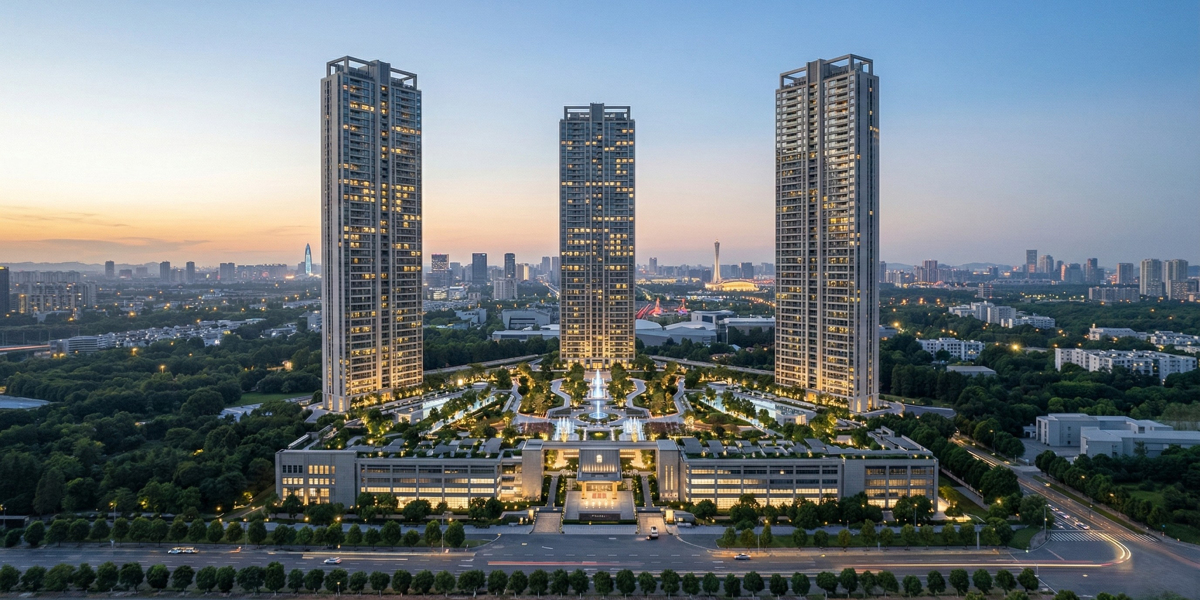 BPTP Downtown 66: A Masterpiece of Vertical Luxury in Sector 66
BPTP Downtown 66 has emerged as one of the most anticipated high-rise developments on the Golf Course Extension Road. Designed by the globally acclaimed architectural firm Aedas, this project is not just a residential complex but a vertical ecosystem where luxury meets functionality.
-
 Aesthetic Clinic in Australia | Beauty Clinic in Carolina | PM Aesthetics
Discover a trusted aesthetic clinic in Australia and a professional beauty clinic in Carolina. PM Aesthetics offers advanced skincare, cosmetic treatments, and personalized beauty solutions.
-
 The Masterful Synergy at Signature Global Tonino Lamborghini
Signature Global Tonino Lamborghini Residences represents a ₹2,890 crore synergy of Italian supercar aesthetics and Indian engineering excellence in Sector 71.
-
 Sidewalk Repair NYC: A Complete Guide for Property Owners
Sidewalks in New York City endure constant wear and tear due to heavy foot traffic, extreme weather conditions, and tree root growth. Over time, cracks, uneven surfaces, and potholes can develop. These issues not only create an unpleasant appearance but also pose serious safety hazards for
-
 Why Natural Stone Wall Panels Are Becoming the First Choice for Modern Interiors
Discover why natural stone wall panels are becoming a top choice for modern interiors and exteriors. Learn about their durability, aesthetic appeal, and versatile applications for residential and commercial spaces.
-
 Chemical Supplier for Industrial in UAE: Reliable Solutions for Modern Industries
Find a reliable chemical supplier for industrial in UAE offering high-quality products, consistent supply, and tailored solutions for manufacturing, oil & gas, construction, and water treatment industries.
-
 Signature Global Cloverdale SPR Gurgaon – A Modern Address for Comfortable Living
This connectivity allows residents to easily access major employment hubs, corporate offices, and business districts. The proximity to IGI Airport further adds to its appeal, especially for professionals who travel frequently.
-
 The Vertical Revolution: Living Above the Ordinary at Sobha Rivana
Sobha Rivana is a G+45 floor architectural landmark in Sector 1, Greater Noida West, featuring a low-density design with only four units per floor and four high-speed elevators. It offers a premium lifestyle with 11-foot high ceilings, 80% open green space, and a 50,000 sq. ft. clubhouse,
-
 Find the Perfect Christmas Jewellery at Stonex Jewellers
Our Christmas collection features a wide range of designs, from classic to contemporary, ensuring there is something for everyone.


