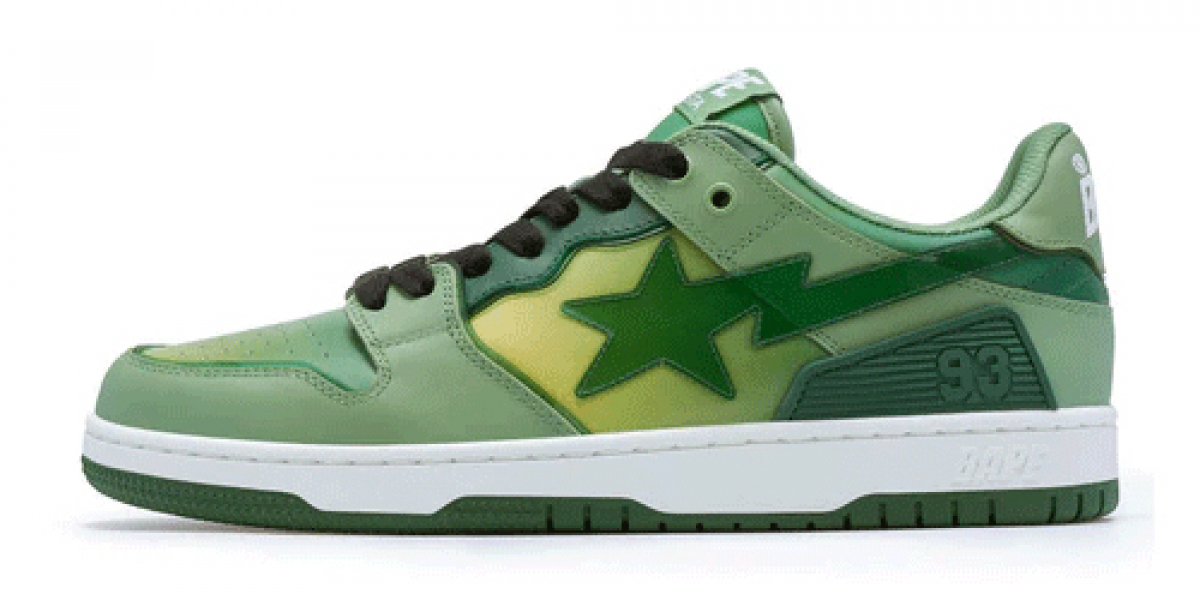
In the world of sneakers, few silhouettes command attention and admiration quite like the Bapesta. Designed by the Japanese streetwear giant A Bathing Ape (BAPE), the Bapesta has become more than just footwear—it’s a cultural symbol. With its bold design, unique branding, and deep roots in hip-hop and streetwear, the Bapesta stands as a testament to the fusion of fashion, art, and music. Whether you're a seasoned sneakerhead or a casual enthusiast, understanding the Bapesta's history and influence offers a fascinating glimpse into the ever-evolving world of street fashion.
The story of the Bapesta begins in the late 1990s when Nigo, the founder of BAPE, sought to make a mark in the global sneaker scene. Drawing inspiration from the Nike Air Force 1, Nigo reimagined the silhouette with a distinctly Japanese twist. He retained the familiar shape but infused it with pop-art colors, patent leather, and a signature lightning bolt logo—instantly making it stand out.
Unlike most Western brands at the time, BAPE approached fashion as a lifestyle, blending exclusivity with artistry. The Bapesta wasn’t mass-produced. It was dropped in limited quantities, often selling out within hours. This rarity only fueled its demand and helped build a cult-like following among fans of Japanese streetwear.
The Bapesta's popularity skyrocketed in the early 2000s thanks in large part to its association with influential musicians and artists. Hip-hop played a pivotal role in spreading BAPE’s influence, especially in the United States. Pharrell Williams, Kanye West, Lil Wayne, and Soulja Boy were all spotted wearing Bapestas, further embedding the sneaker into pop culture.
Pharrell, in particular, was a key figure in connecting BAPE with American youth. His frequent collaborations with Nigo and the launch of Billionaire Boys Club helped position Bapesta as a premium, desirable brand. When Kanye West released his “College Dropout” album, his appearance in Bapestas solidified the sneaker's status as a must-have for fashion-forward fans.
What makes the Bapesta instantly recognizable is its unapologetically bold aesthetic. The sneaker often features glossy patent leather uppers in vibrant, clashing colors. The signature star-and-lightning bolt logo—called the “STA”—replaces Nike’s swoosh, creating a rebellious visual twist. The heel typically features the BAPE ape head logo, further reinforcing the brand identity.
Over the years, the Bapesta has embraced a wide array of design iterations, from camo prints to cartoon collaborations. Unlike brands that stick to muted palettes, BAPE thrives on being loud, fun, and even eccentric. This playful design ethos resonates with younger generations and those who view fashion as an expression of individuality.
Streetwear as a genre has always been about more than clothing. It’s a movement shaped by urban culture, music, art, and social identity. The Bapesta represents a turning point where Japanese streetwear began influencing Western markets in a meaningful way. Before BAPE, much of fashion was dictated by Paris, Milan, or New York. After Bapesta’s rise, Tokyo firmly claimed its place in the global style conversation.
The sneaker also blurred the lines between luxury and casual wear. By pricing Bapestas at a premium and releasing them in limited quantities, BAPE helped pave the way for streetwear’s transition from subculture to high fashion. Today, brands like Supreme, Off-White, and even Louis Vuitton follow similar models of exclusivity and hype marketing—strategies that BAPE helped pioneer.
One of the reasons Bapesta has maintained its cultural relevance is its frequent and creative collaborations. BAPE has teamed up with brands and artists across a wide spectrum, from Marvel and Hello Kitty to Comme des Garçons and Undefeated. Each collab brings something fresh to the silhouette while keeping its core identity intact.
In particular, the collaboration with Kanye West, which featured custom College Dropout-themed Bapestas, remains one of the most legendary and sought-after releases in sneaker history. These drops are more than just footwear—they’re collectible art pieces that tell stories of cross-cultural exchange.
One of the most common comparisons is between the Bapesta and the Nike Air Force 1. While the similarities in shape and sole design are undeniable, the intent behind the Bapesta was never to simply copy. Nigo has publicly acknowledged his admiration for the Air Force 1, but he used it as a base to create something uniquely his own.
By remixing a classic with Japanese flair and artistic license, Nigo essentially made a sneaker tribute. Over time, the Bapesta carved out its own identity, separate from its Nike counterpart. Today, it is celebrated not as a replica, but as a reinvention—a bold interpretation that speaks to a different audience.
Like many iconic sneakers, the Bapesta holds significant value in the resale market. Limited-edition releases and collaborations often fetch high prices on platforms dedicated to sneaker resale. Collectors seek out rare colorways, early 2000s editions, and exclusive drops from international pop-ups.
Beyond monetary value, owning a pair of vintage Bapestas is seen as a badge of authenticity within the fashion community. It signals a deeper appreciation for streetwear history and an understanding of its evolution over the past two decades.
In recent years, Bapesta has seen a resurgence. BAPE continues to release new colorways, modern collaborations, and reissues of classic designs. As Gen Z and younger Millennials dive deeper into Y2K aesthetics, the early 2000s appeal of the Bapesta fits perfectly into contemporary fashion trends.
More importantly, the sneaker's timeless design continues to resonate. It’s flashy without being overdone, nostalgic without feeling outdated. Whether paired with baggy jeans or techwear-inspired fits, the Bapesta adapts while staying true to its roots.
The reason Bapesta still matters goes beyond aesthetics. It represents a specific time in fashion history when the lines between cultures, continents, and styles began to blur. It’s a sneaker born out of love for American hip-hop, Japanese craftsmanship, and the rebellious spirit of youth culture.
More than two decades after its debut, the Bapesta is still worn by artists, stylists, and fans who value creativity over conformity. It’s not just a shoe—it’s a conversation piece, a legacy item, and a bridge between East and West.
Final Thoughts
The Bapesta remains one of the most influential sneakers in streetwear history. Its bold design, limited availability, and cultural significance have solidified its place among sneaker royalty. As fashion continues to evolve, the Bapesta’s story is far from over. In fact, it’s just entering a new chapter—one where nostalgia, innovation, and cultural fusion continue to shape the future of style.
For readers passionate about fashion, design, or urban culture, understanding the Bapesta is essential. It's not just about the shoe—it’s about the movement it helped build.

bape sta
1 posts