Aircraft Towbars Market Emerging Trends Driving Innovation and Operational Advancements in Aviation

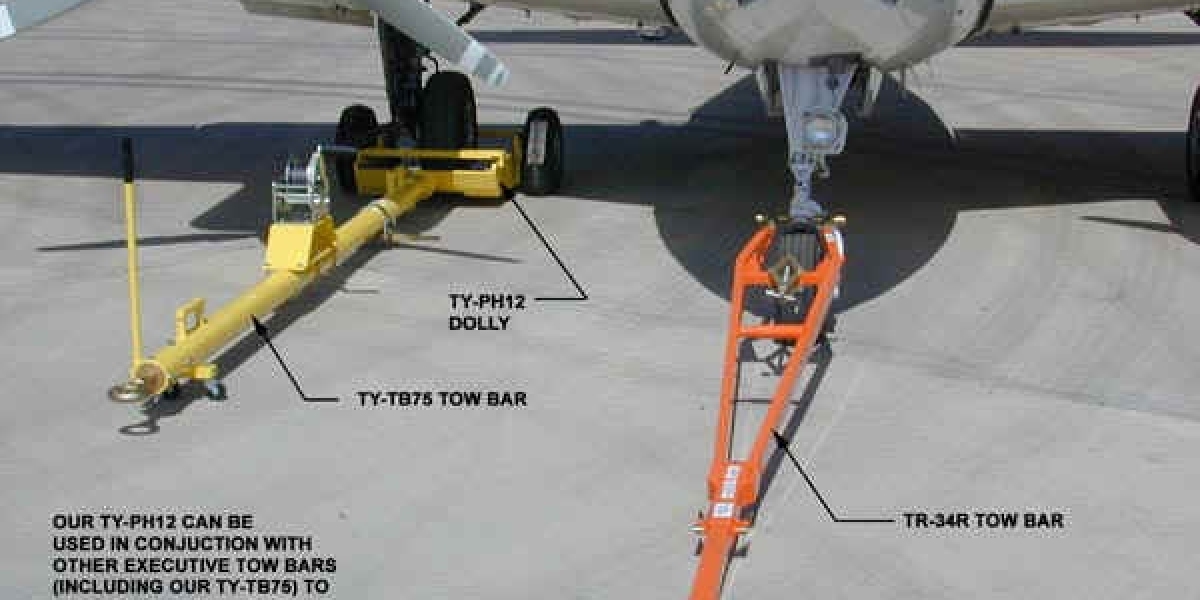
The aircraft towbars market, a crucial segment of ground support equipment, is undergoing a noticeable transformation. Traditionally, towbars have been simple, sturdy tools designed to connect towing vehicles to aircraft for safe ground maneuvering. Today, however, the market is seeing new developments driven by advancements in materials, safety features, ergonomics, and even digital integration. These emerging trends are not just reshaping product design but also redefining the way ground handling operations are managed worldwide.
One of the most significant shifts in the market is the growing use of lightweight yet strong materials such as high-grade aluminum alloys and advanced composites. These materials reduce the overall weight of the towbar, making them easier to handle without compromising structural integrity. The benefits are clear: reduced operator fatigue, easier transportation, and improved maneuverability in busy airport environments.
Manufacturers are also exploring materials with corrosion resistance, extending product life and reducing maintenance needs—especially critical for airports in coastal or high-humidity regions.
Airports and ground handling companies increasingly prefer versatile equipment to handle a variety of aircraft. This has led to the rise of modular towbars with interchangeable heads that can connect to different aircraft types. Rather than storing multiple dedicated towbars for each aircraft model, operators can use a single base with swappable attachments, saving both space and costs.
This flexibility is especially valuable in regional airports where multiple aircraft types operate daily, allowing ground crews to adapt quickly without delays.
The focus on operator safety and comfort has never been stronger. Ergonomically designed handles, better grip materials, and balance-optimized frames are becoming standard. These improvements reduce strain on ground staff, especially during repetitive tasks.
Additionally, safety features such as locking mechanisms, shock-absorbing elements, and improved head connection systems minimize the risk of accidental detachment or aircraft damage, meeting stricter aviation safety standards.
While towbars have traditionally been purely mechanical, some manufacturers are experimenting with smart features. Embedded sensors can monitor stress levels, track usage hours, and alert operators when maintenance is due. This digital integration helps prevent unexpected failures and improves equipment lifecycle management.
Data collection also supports operational efficiency, as ground handling teams can track usage patterns and optimize equipment deployment. Although still an emerging concept, smart towbars could become a standard in high-volume airports.
Towbarless tractors, which lift the aircraft nose wheel directly, are gaining traction in certain sectors. While these do not replace towbars entirely, their growing use is influencing the design of conventional towbars to become more adaptable, portable, and cost-effective. Manufacturers are responding by making their products more specialized for specific operations where towbarless systems are less practical.
As the aviation industry focuses more on sustainability, even ground support tools like towbars are seeing greener production methods. Using recyclable materials, minimizing energy use during manufacturing, and extending equipment lifespan all contribute to reduced environmental impact.
Some companies are exploring ways to refurbish older towbars with new components rather than replacing them entirely, further supporting circular economy practices.
Customization is becoming a competitive advantage in the market. Airlines often require towbars tailored to their specific fleet types, operational environments, and branding. Military applications may demand reinforced structures for rugged terrains and heavier aircraft.
Manufacturers that offer tailored solutions—whether in dimensions, connection systems, or branding—are positioning themselves strongly in niche segments.
Emerging markets in Asia-Pacific, the Middle East, and Africa are experiencing rapid airport development, driving demand for modern, adaptable towbars. In contrast, North America and Europe focus more on replacing and upgrading existing equipment to meet evolving safety and efficiency standards.
Global supply chain adjustments are also influencing how manufacturers approach sourcing materials and distributing products, with more emphasis on regional production hubs to reduce delays and costs.
The aircraft towbars market is moving beyond simple functionality. The combination of lightweight materials, multi-aircraft adaptability, ergonomic improvements, digital features, and sustainability efforts will shape the next generation of products.
While towbarless technology will continue to play a role in high-traffic airports, conventional towbars will remain essential—especially in smaller airports, military bases, and maintenance operations. Manufacturers who embrace these emerging trends and align with the evolving needs of the aviation industry will be best positioned to capture growth in both mature and developing markets.
The evolution of the aircraft towbars market reflects a broader shift in aviation ground support: prioritizing safety, efficiency, adaptability, and sustainability. By integrating modern materials, ergonomic designs, and, in some cases, smart technology, manufacturers are ensuring that this vital piece of ground equipment continues to meet the demands of a rapidly changing aviation landscape.
Suhani Sharma
17Blog posts
-
 Brand Identity and Tenant Experience: Cultivating Loyalty at Elan Empire Gurgaon
Securing high occupancy in a premium high-street asset is only half the battle. For long-term viability, property management and individual investors must shift their focus to building tenant loyalty and creating a distinctive brand identity.
-
 Master Review: Evaluating Godrej Nature Plus, Sector 33, Gurgaon
The layout uses a smart structural pattern where towers are angled away from each other. This creates a staggered footprint that gives corner apartments clear, unblocked views of the Aravalli foothills while ensuring optimal morning and afternoon sunlight. Inside the towers, the floor plan
-
 BPTP Downtown 66: A Masterpiece of Vertical Luxury in Sector 66
BPTP Downtown 66 has emerged as one of the most anticipated high-rise developments on the Golf Course Extension Road. Designed by the globally acclaimed architectural firm Aedas, this project is not just a residential complex but a vertical ecosystem where luxury meets functionality.
-
 Aesthetic Clinic in Australia | Beauty Clinic in Carolina | PM Aesthetics
Discover a trusted aesthetic clinic in Australia and a professional beauty clinic in Carolina. PM Aesthetics offers advanced skincare, cosmetic treatments, and personalized beauty solutions.
-
 The Masterful Synergy at Signature Global Tonino Lamborghini
Signature Global Tonino Lamborghini Residences represents a ₹2,890 crore synergy of Italian supercar aesthetics and Indian engineering excellence in Sector 71.
-
 Sidewalk Repair NYC: A Complete Guide for Property Owners
Sidewalks in New York City endure constant wear and tear due to heavy foot traffic, extreme weather conditions, and tree root growth. Over time, cracks, uneven surfaces, and potholes can develop. These issues not only create an unpleasant appearance but also pose serious safety hazards for
-
 Why Natural Stone Wall Panels Are Becoming the First Choice for Modern Interiors
Discover why natural stone wall panels are becoming a top choice for modern interiors and exteriors. Learn about their durability, aesthetic appeal, and versatile applications for residential and commercial spaces.
-
 Chemical Supplier for Industrial in UAE: Reliable Solutions for Modern Industries
Find a reliable chemical supplier for industrial in UAE offering high-quality products, consistent supply, and tailored solutions for manufacturing, oil & gas, construction, and water treatment industries.
-
 Signature Global Cloverdale SPR Gurgaon – A Modern Address for Comfortable Living
This connectivity allows residents to easily access major employment hubs, corporate offices, and business districts. The proximity to IGI Airport further adds to its appeal, especially for professionals who travel frequently.
-
 The Vertical Revolution: Living Above the Ordinary at Sobha Rivana
Sobha Rivana is a G+45 floor architectural landmark in Sector 1, Greater Noida West, featuring a low-density design with only four units per floor and four high-speed elevators. It offers a premium lifestyle with 11-foot high ceilings, 80% open green space, and a 50,000 sq. ft. clubhouse,
-
 Find the Perfect Christmas Jewellery at Stonex Jewellers
Our Christmas collection features a wide range of designs, from classic to contemporary, ensuring there is something for everyone.


