
Afghan war carpets are a striking blend of traditional weaving and contemporary history. Emerging during the Soviet–Afghan War in the late 1970s, these textiles transformed from purely decorative and symbolic items into visual chronicles of modern warfare. They remain one of Afghanistan’s most unique cultural artifacts, offering insight into how artisans responded to decades of upheaval.
Afghanistan has a long history of carpet weaving, particularly among Turkmen, Baluchi, and Uzbek communities. For centuries, Afghan rugs featured floral motifs, tribal guls, and geometric medallions. However, when the Soviet invasion began in 1979, weavers—many displaced by war—began incorporating the imagery of conflict into their designs.
What started as subtle depictions of tanks or helicopters evolved into full compositions portraying maps, weapons, soldiers, and even political slogans. These rugs became both art and commentary, reflecting daily realities and the turbulence shaping Afghan life.
Afghan war carpets are instantly recognizable by their unconventional iconography:
Tanks, helicopters, and fighter jets symbolizing foreign intervention or national defense.
Kalashnikov rifles, grenades, and landmines woven alongside stylized flowers or vines.
Maps of Afghanistan or flags representing identity and territorial struggle.
Numbers or dates commemorating battles or historical events.
Despite their subject matter, war carpets often retain the warm reds, deep blues, and earthy browns typical of Afghan rugs, creating a striking tension between violence and tradition.
Like other Afghan rugs, war carpets are usually woven from hand-spun wool and dyed with natural or synthetic pigments. The quality ranges from coarse village work to finely knotted examples rivaling classical Afghan pieces. Many are produced in northern Afghanistan, but refugee camps in Pakistan also became important centers of war carpet production during the 1980s and 1990s.
The use of the Persian (asymmetrical) knot or Turkish (symmetrical) knot varies by region and tribal tradition.
War carpets are more than souvenirs; they are cultural documents and personal narratives. For many weavers—often women working at home or in camps—these rugs provided:
A source of income during hardship.
A therapeutic outlet, expressing trauma and resilience.
A visual record of their community’s struggles.
International collectors have come to value war carpets for their raw authenticity and historical resonance. Museums now display them as examples of “conflict art,” bridging craft and political history.
With the decline of open warfare in some regions, new themes have emerged. Some carpets feature peace doves, modern skylines, or calligraphy calling for harmony, reflecting hopes for stability. However, others continue to depict armed struggles, documenting Afghanistan’s ongoing challenges.
Artisans and NGOs today encourage weavers to balance tradition and innovation—preserving craftsmanship while exploring narratives beyond conflict.
When buying an Afghan war carpet:
Seek out pieces with clear, well-balanced designs and sturdy wool.
Ask about the origin and approximate date; earlier Soviet-era examples are particularly sought after.
Handle them as you would any fine textile: avoid prolonged sun exposure, rotate regularly, and clean professionally.
Afghan war carpets stand as powerful woven testimonies to decades of resilience, creativity, and survival. They remind the world that even in times of violence, Afghan artisans have found ways to preserve their heritage while documenting the stories that shape their lives.

Tom Happy
33Blog posts
-
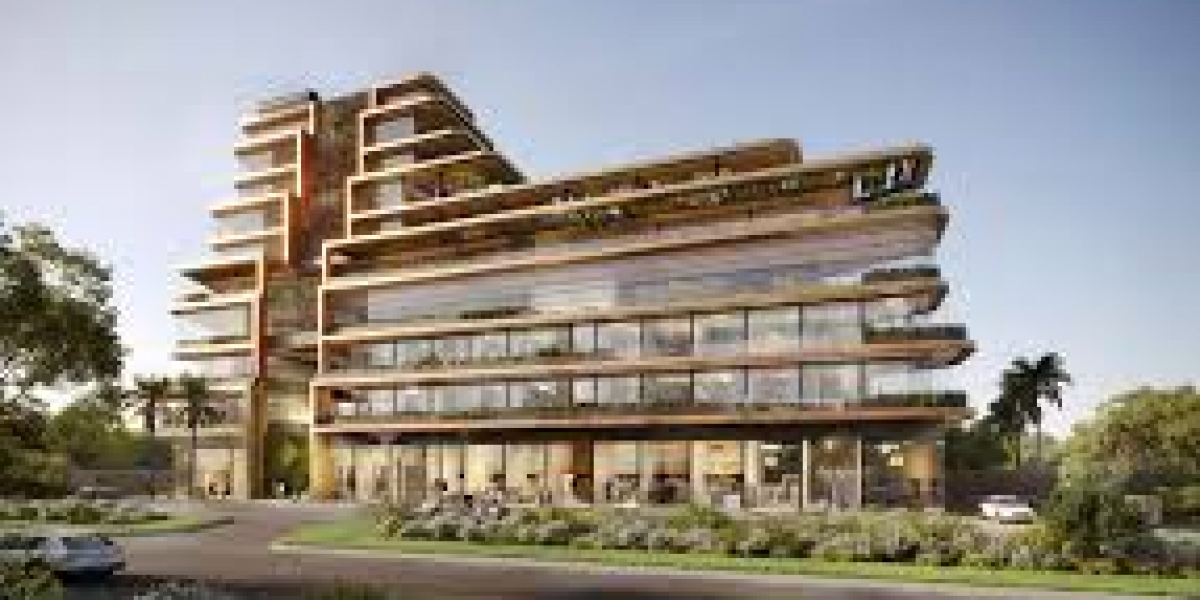 Brand Identity and Tenant Experience: Cultivating Loyalty at Elan Empire Gurgaon
Securing high occupancy in a premium high-street asset is only half the battle. For long-term viability, property management and individual investors must shift their focus to building tenant loyalty and creating a distinctive brand identity.
-
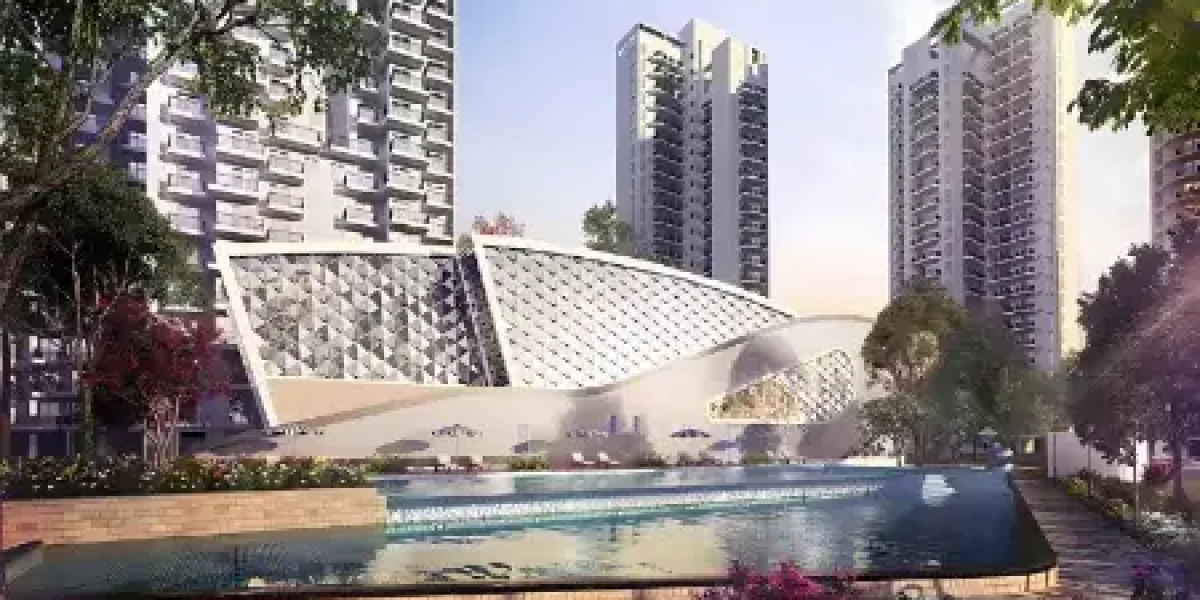 Master Review: Evaluating Godrej Nature Plus, Sector 33, Gurgaon
The layout uses a smart structural pattern where towers are angled away from each other. This creates a staggered footprint that gives corner apartments clear, unblocked views of the Aravalli foothills while ensuring optimal morning and afternoon sunlight. Inside the towers, the floor plan
-
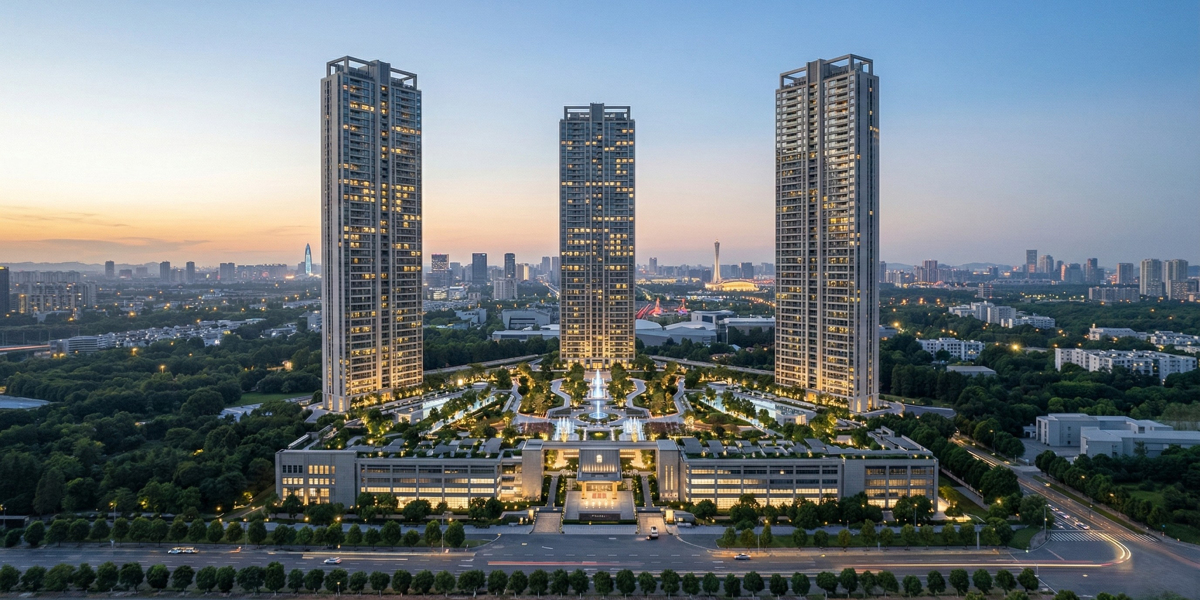 BPTP Downtown 66: A Masterpiece of Vertical Luxury in Sector 66
BPTP Downtown 66 has emerged as one of the most anticipated high-rise developments on the Golf Course Extension Road. Designed by the globally acclaimed architectural firm Aedas, this project is not just a residential complex but a vertical ecosystem where luxury meets functionality.
-
 Aesthetic Clinic in Australia | Beauty Clinic in Carolina | PM Aesthetics
Discover a trusted aesthetic clinic in Australia and a professional beauty clinic in Carolina. PM Aesthetics offers advanced skincare, cosmetic treatments, and personalized beauty solutions.
-
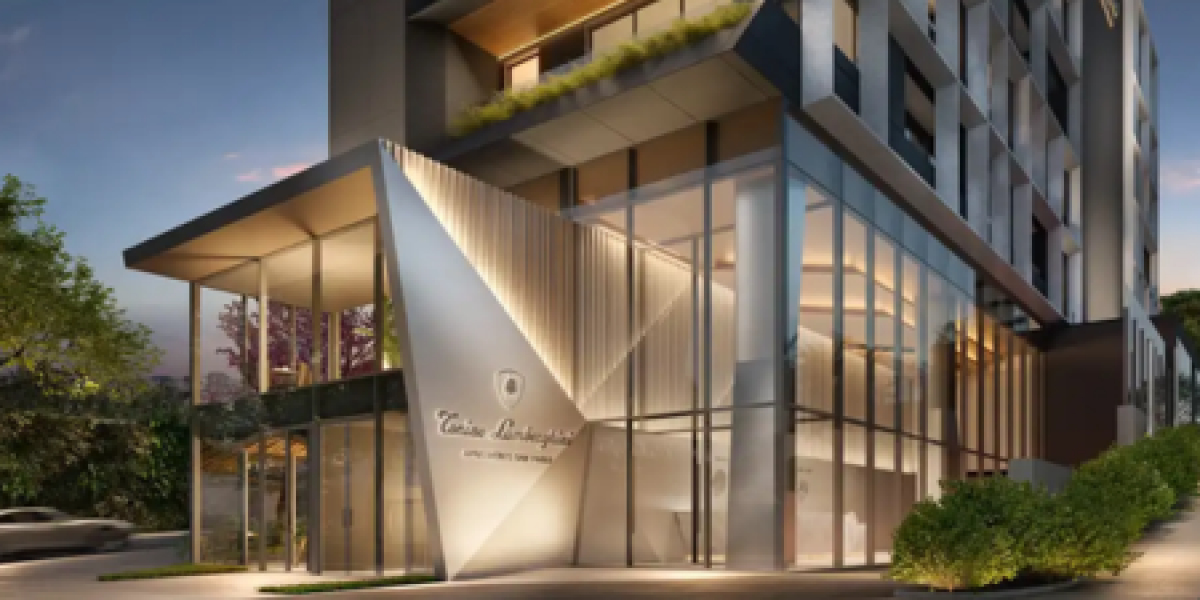 The Masterful Synergy at Signature Global Tonino Lamborghini
Signature Global Tonino Lamborghini Residences represents a ₹2,890 crore synergy of Italian supercar aesthetics and Indian engineering excellence in Sector 71.
-
 Sidewalk Repair NYC: A Complete Guide for Property Owners
Sidewalks in New York City endure constant wear and tear due to heavy foot traffic, extreme weather conditions, and tree root growth. Over time, cracks, uneven surfaces, and potholes can develop. These issues not only create an unpleasant appearance but also pose serious safety hazards for
-
 Why Natural Stone Wall Panels Are Becoming the First Choice for Modern Interiors
Discover why natural stone wall panels are becoming a top choice for modern interiors and exteriors. Learn about their durability, aesthetic appeal, and versatile applications for residential and commercial spaces.
-
 Chemical Supplier for Industrial in UAE: Reliable Solutions for Modern Industries
Find a reliable chemical supplier for industrial in UAE offering high-quality products, consistent supply, and tailored solutions for manufacturing, oil & gas, construction, and water treatment industries.
-
 Signature Global Cloverdale SPR Gurgaon – A Modern Address for Comfortable Living
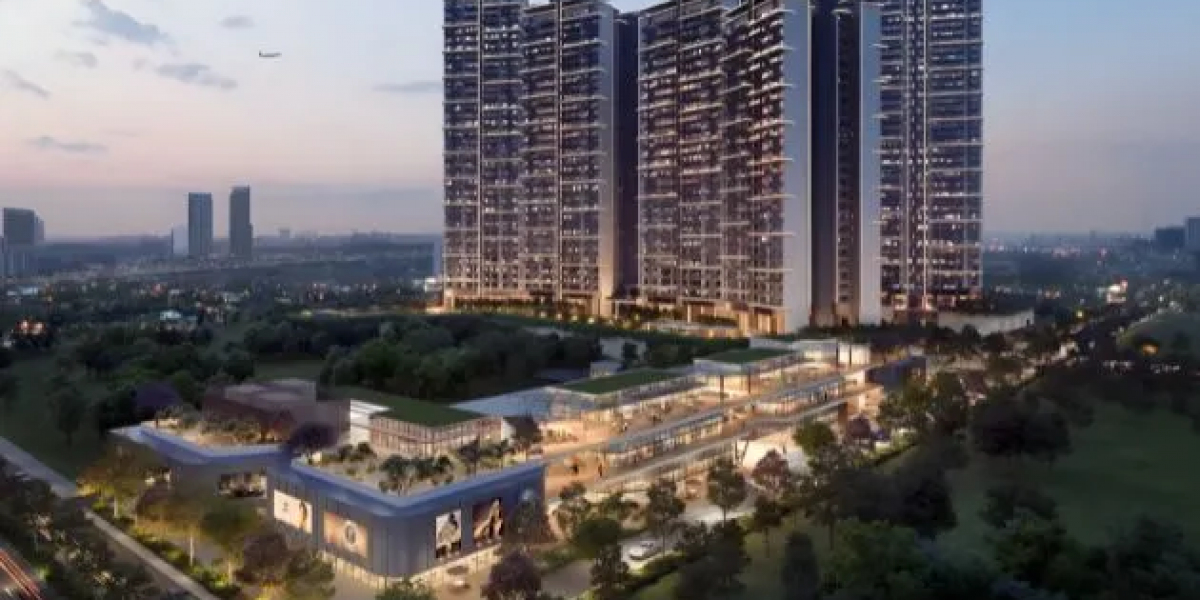
This connectivity allows residents to easily access major employment hubs, corporate offices, and business districts. The proximity to IGI Airport further adds to its appeal, especially for professionals who travel frequently.
-
 The Vertical Revolution: Living Above the Ordinary at Sobha Rivana
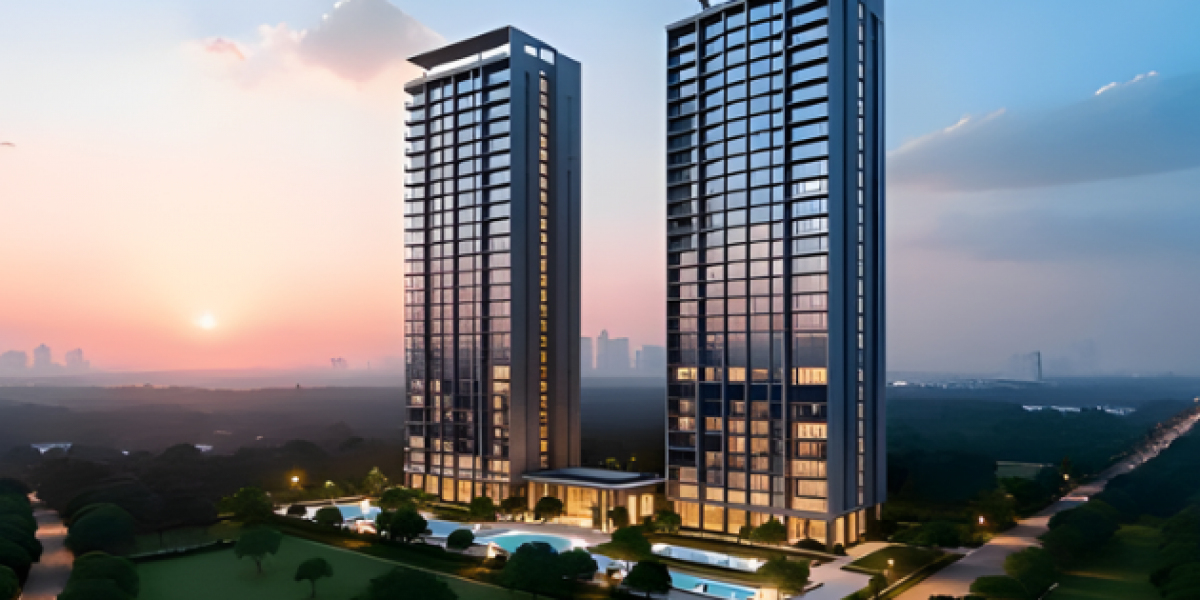
Sobha Rivana is a G+45 floor architectural landmark in Sector 1, Greater Noida West, featuring a low-density design with only four units per floor and four high-speed elevators. It offers a premium lifestyle with 11-foot high ceilings, 80% open green space, and a 50,000 sq. ft. clubhouse,
-
 Find the Perfect Christmas Jewellery at Stonex Jewellers
Our Christmas collection features a wide range of designs, from classic to contemporary, ensuring there is something for everyone.


