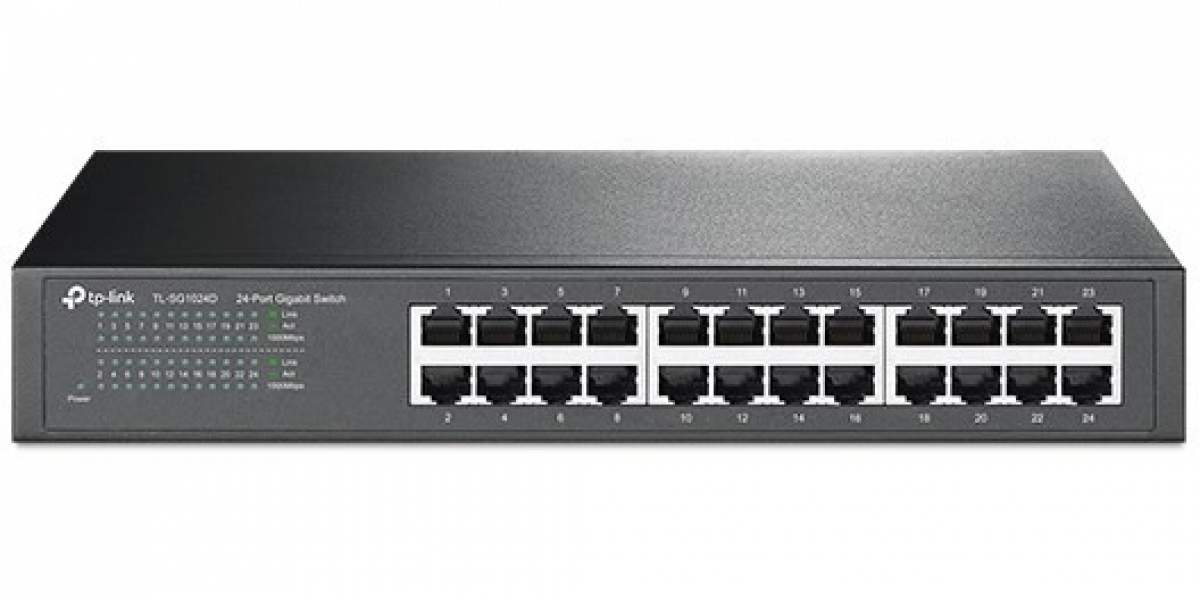
In the world of networking, two common devices that often cause confusion are wireless access points (WAPs) and routers. While both play crucial roles in providing internet access, they serve different purposes and operate in unique ways. Understanding the difference between these devices can help you optimize your network for better connectivity, especially when using advanced equipment like the Ubiquiti U7-Outdoor, Ubiquiti UniFi Dream Router (UDR), or Ubiquiti U6-IW In-Wall WiFi.
In this guide, we’ll explore the differences between access points and routers, when to use each, and how they can complement each other in both home and business environments.
A router is a device that connects multiple networks together and directs data between them. It’s typically used to connect a local network (such as your home or office) to the internet. A router assigns IP addresses to devices in the network, manages data traffic, and acts as a gateway to the internet. Modern routers often come with built-in wireless capabilities, allowing them to function as both a router and a wireless access point.
One popular router is the Ubiquiti UniFi Dream Router (UDR), which provides both routing and wireless connectivity, making it an all-in-one solution for homes or small businesses.
A wireless access point (WAP) is a networking device that extends a network’s wireless coverage by connecting to a wired network. Access points do not route traffic between different networks like routers do; instead, they provide wireless access to an existing network. This makes them ideal for extending Wi-Fi coverage to areas where a router’s signal might not reach, such as large homes or office buildings.
For instance, the Ubiquiti U7-Outdoor and Ubiquiti U6-IW In-Wall WiFi are wireless access points designed to enhance Wi-Fi coverage in outdoor areas and through walls, respectively. Both can significantly improve connectivity in large or challenging environments.
If your router’s Wi-Fi signal doesn’t cover your entire home or office, or if you need to provide wireless access in areas far from the router, adding a wireless access point can solve the problem. WAPs are particularly useful in large spaces like warehouses, schools, or offices with multiple rooms where a single router might not offer adequate coverage.
For example, using the Ubiquiti U7-Outdoor access point can significantly improve Wi-Fi access in outdoor areas, while the Ubiquiti Wireless Access Point (U7-Pro-Wall) is designed for high-performance wireless coverage in indoor environments. Both offer high-speed connectivity and reliability, ensuring seamless wireless access across wide areas.
In many cases, access points and routers work best together. A single router can provide internet access to your network, while strategically placed access points like the Ubiquiti U6-IW In-Wall WiFi or Ubiquiti Wireless Access Point (U7-Pro-Wall) can extend Wi-Fi coverage to ensure all areas have strong, reliable connections. This setup is especially beneficial in environments with multiple floors, thick walls, or outdoor spaces.
Additionally, using devices like the Ubiquiti UniFi Gen2 Controller (UCK-G2-PLUS) can help manage and monitor both routers and access points within a network, ensuring optimal performance and easy troubleshooting.
While routers and wireless access points serve different purposes, they are both essential for creating a robust and reliable network. Routers provide internet access and manage network traffic, while wireless access points extend the reach of your Wi-Fi, ensuring consistent connectivity throughout larger or more complex environments.
Devices like the Ubiquiti UniFi Dream Router (UDR) and Ubiquiti U6-IW In-Wall WiFi showcase how routers and access points can work together to provide fast, reliable, and scalable network solutions for homes and businesses alike.

kavin peter
42 posts
-
 Green Engineering and Health Optimization at Whiteland The Aspen
To address this, Whiteland Corporation integrated specialized CTMA3 Air Purification technology into the core building systems. This central air infrastructure works continuously to treat, filter, and circulate air throughout enclosed common areas, double-height entrance lobbies, and tower
-
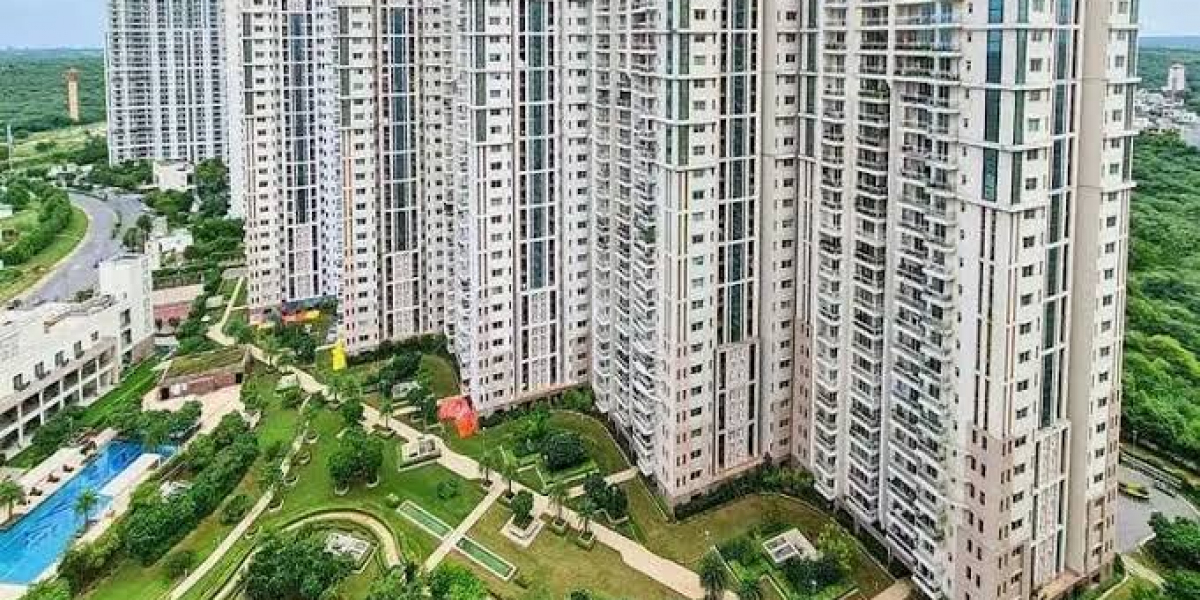 Mastering the Asset: Technical Infrastructure, Micro-Market Value, and Structural Layouts at DLF Park Place
This deep dive focuses on the granular technical infrastructure, exact structural layouts, and macro-economic factors that explain why this specific project maintains a massive edge over its competition in 2026.
-
 Brand Identity and Tenant Experience: Cultivating Loyalty at Elan Empire Gurgaon
Securing high occupancy in a premium high-street asset is only half the battle. For long-term viability, property management and individual investors must shift their focus to building tenant loyalty and creating a distinctive brand identity.
-
 Master Review: Evaluating Godrej Nature Plus, Sector 33, Gurgaon
The layout uses a smart structural pattern where towers are angled away from each other. This creates a staggered footprint that gives corner apartments clear, unblocked views of the Aravalli foothills while ensuring optimal morning and afternoon sunlight. Inside the towers, the floor plan
-
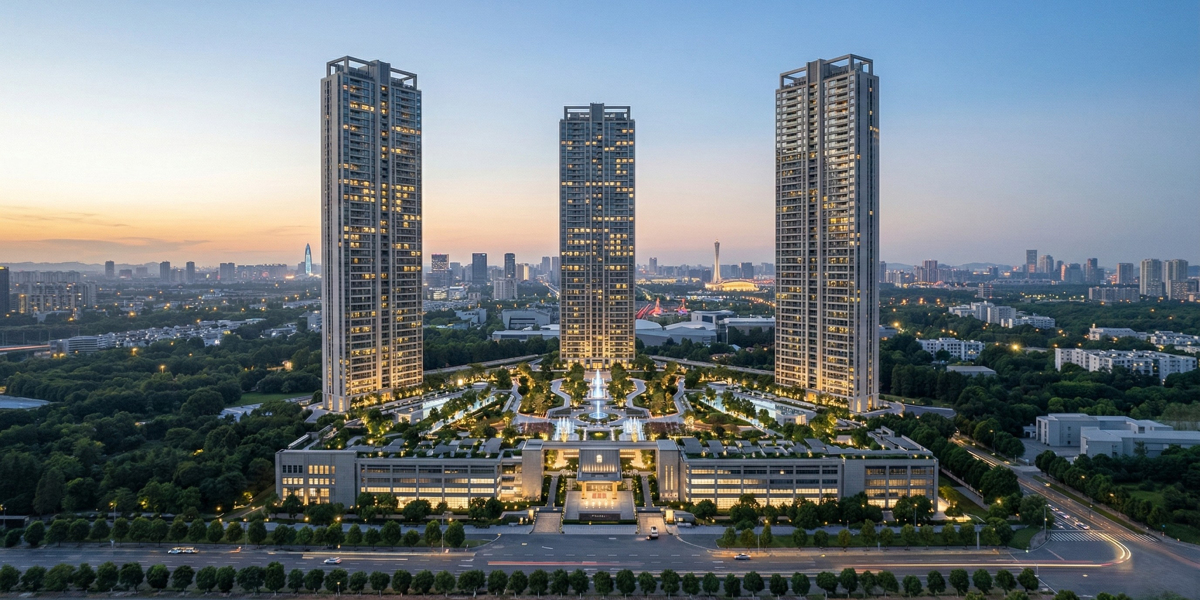 BPTP Downtown 66: A Masterpiece of Vertical Luxury in Sector 66
BPTP Downtown 66 has emerged as one of the most anticipated high-rise developments on the Golf Course Extension Road. Designed by the globally acclaimed architectural firm Aedas, this project is not just a residential complex but a vertical ecosystem where luxury meets functionality.
-
 Aesthetic Clinic in Australia | Beauty Clinic in Carolina | PM Aesthetics
Discover a trusted aesthetic clinic in Australia and a professional beauty clinic in Carolina. PM Aesthetics offers advanced skincare, cosmetic treatments, and personalized beauty solutions.
-
 The Masterful Synergy at Signature Global Tonino Lamborghini
Signature Global Tonino Lamborghini Residences represents a ₹2,890 crore synergy of Italian supercar aesthetics and Indian engineering excellence in Sector 71.
-
 Sidewalk Repair NYC: A Complete Guide for Property Owners
Sidewalks in New York City endure constant wear and tear due to heavy foot traffic, extreme weather conditions, and tree root growth. Over time, cracks, uneven surfaces, and potholes can develop. These issues not only create an unpleasant appearance but also pose serious safety hazards for
-
 Why Natural Stone Wall Panels Are Becoming the First Choice for Modern Interiors
Discover why natural stone wall panels are becoming a top choice for modern interiors and exteriors. Learn about their durability, aesthetic appeal, and versatile applications for residential and commercial spaces.
-
 Chemical Supplier for Industrial in UAE: Reliable Solutions for Modern Industries
Find a reliable chemical supplier for industrial in UAE offering high-quality products, consistent supply, and tailored solutions for manufacturing, oil & gas, construction, and water treatment industries.
-
 Signature Global Cloverdale SPR Gurgaon – A Modern Address for Comfortable Living
This connectivity allows residents to easily access major employment hubs, corporate offices, and business districts. The proximity to IGI Airport further adds to its appeal, especially for professionals who travel frequently.


