AAC Cable Explained: The Lightweight Powerhouse Revolutionizing Overhead Transmission


AAC (All Aluminium Conductor) cable is a type of electrical conductor used primarily in overhead power transmission and distribution. Composed entirely of aluminum strands, AAC cable is known for its lightweight construction, excellent conductivity, and cost-effective installation in short-distance electrical grids, particularly in urban environments.
As cities expand and energy demand rises, the need for efficient, durable, and economical transmission solutions grows. AAC cable fits this demand by offering:
High conductivity
Corrosion resistance
Reduced installation costs
Environmentally friendly material usage
AAC cables have become essential in urban electrical infrastructure, railways, and suburban networks where spans are short and mechanical tension is low.
AAC cable excels in urban installations where mechanical strength is not the primary concern but conductivity and weight are.
✅ Lightweight: Easier and cheaper to install
✅ High Conductivity: Ideal for efficient electricity transmission
✅ Corrosion Resistance: Performs well in coastal and humid conditions
✅ Eco-Friendly: Aluminum is recyclable and sustainable
✅ Economic: Lower material and transportation costs
AAC cables are ideal for:
Urban Power Distribution: Between substations and residential or commercial zones.
Railways and Metro Systems: Overhead catenary lines.
Industrial Plants: Temporary power lines during construction.
Street Lighting: Efficient and reliable performance.
Wire Drawing: High-purity aluminum rods are drawn into wires.
Stranding: Multiple wires are stranded concentrically in layers.
Quality Control: Diameter, resistance, and mechanical tests are performed.
Packaging: Coiled or drum-packed for safe transport.
All processes follow strict standards like ASTM B231 and IEC 61089, ensuring consistent performance.
AAC is best for short spans (typically under 200 meters) due to its lower tensile strength.
Resists corrosion in humid, industrial, or marine environments.
Best for networks prioritizing high conductivity over mechanical strength.
One of the most cost-effective options due to its material efficiency.
AAC is composed of aluminum strands only, making it lighter and more conductive. ACSR has a steel core, adding mechanical strength but reducing conductivity.
Yes. Its resistance to corrosion makes it ideal for marine and coastal environments.
No. Due to its lower mechanical strength, it's recommended for short spans.
Not necessarily. It is easier to handle due to its lightweight nature and can be installed with standard tools.
Absolutely. Aluminum is 100% recyclable, making AAC a sustainable choice.
Avoid excessive tension during stringing to prevent elongation.
Use appropriate clamps to minimize mechanical stress at suspension points.
Ensure proper earthing for safety and system integrity.
Maintain clearance from other conductors and grounded structures.
Inspect regularly for mechanical wear or corrosion at joints.
AAC cables have been widely adopted in smart grid frameworks in urban areas, offering reliable power transmission without adding significant weight to existing poles.
Construction sites often use AAC cables due to their easy deployment and retrieval post-project.
Bridge and flyover lighting projects prefer AAC due to its resistance to corrosion and light structure.
These code names follow standardized naming for easier identification in engineering and procurement.
✅ Check Certifications: Ensure cables meet ASTM, BS, or IEC standards.
✅ Ask for Test Reports: Verify mechanical and electrical properties.
✅ Request Size Charts: Match load demand to conductor size.
✅ Evaluate Packaging: Drums should be moisture-proof for long storage.
✅ Confirm Warranty: Reputable manufacturers offer performance guarantees.
Electrical Engineers
Project Managers
Utility Companies
Procurement Officers
Industrial Contractors
Whether you're designing new infrastructure or upgrading an aging grid, AAC cables offer a trusted solution for power delivery that’s efficient, cost-conscious, and durable.
jhon Welson
22 posts
-
 Brand Identity and Tenant Experience: Cultivating Loyalty at Elan Empire Gurgaon
Securing high occupancy in a premium high-street asset is only half the battle. For long-term viability, property management and individual investors must shift their focus to building tenant loyalty and creating a distinctive brand identity.
-
 Master Review: Evaluating Godrej Nature Plus, Sector 33, Gurgaon
The layout uses a smart structural pattern where towers are angled away from each other. This creates a staggered footprint that gives corner apartments clear, unblocked views of the Aravalli foothills while ensuring optimal morning and afternoon sunlight. Inside the towers, the floor plan
-
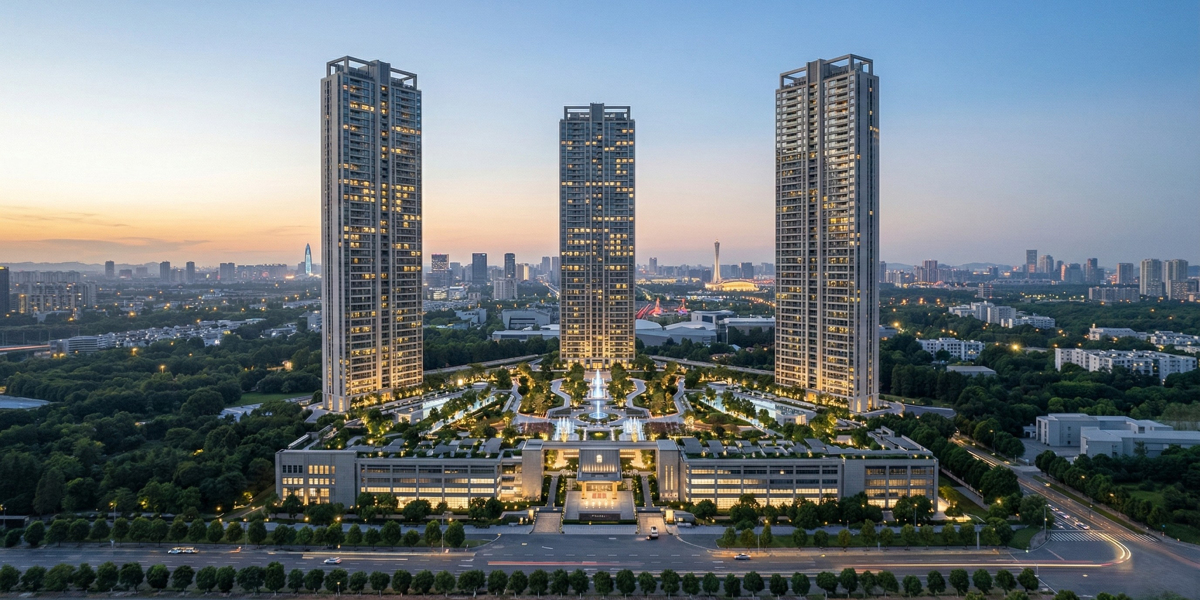 BPTP Downtown 66: A Masterpiece of Vertical Luxury in Sector 66
BPTP Downtown 66 has emerged as one of the most anticipated high-rise developments on the Golf Course Extension Road. Designed by the globally acclaimed architectural firm Aedas, this project is not just a residential complex but a vertical ecosystem where luxury meets functionality.
-
 Aesthetic Clinic in Australia | Beauty Clinic in Carolina | PM Aesthetics
Discover a trusted aesthetic clinic in Australia and a professional beauty clinic in Carolina. PM Aesthetics offers advanced skincare, cosmetic treatments, and personalized beauty solutions.
-
 The Masterful Synergy at Signature Global Tonino Lamborghini
Signature Global Tonino Lamborghini Residences represents a ₹2,890 crore synergy of Italian supercar aesthetics and Indian engineering excellence in Sector 71.
-
 Sidewalk Repair NYC: A Complete Guide for Property Owners
Sidewalks in New York City endure constant wear and tear due to heavy foot traffic, extreme weather conditions, and tree root growth. Over time, cracks, uneven surfaces, and potholes can develop. These issues not only create an unpleasant appearance but also pose serious safety hazards for
-
 Why Natural Stone Wall Panels Are Becoming the First Choice for Modern Interiors
Discover why natural stone wall panels are becoming a top choice for modern interiors and exteriors. Learn about their durability, aesthetic appeal, and versatile applications for residential and commercial spaces.
-
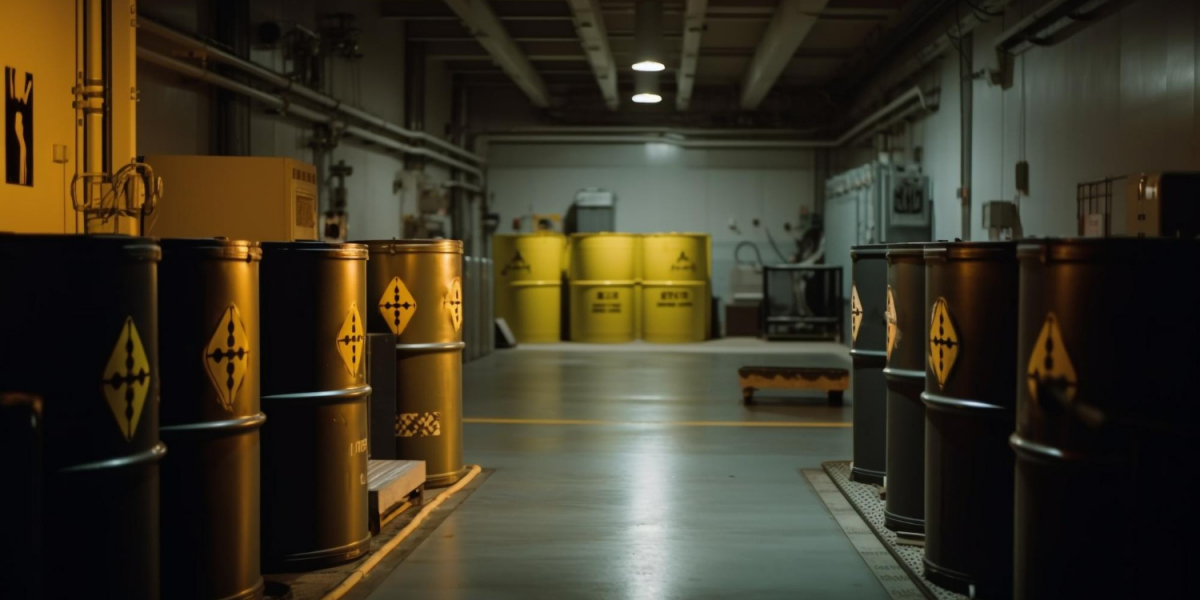 Chemical Supplier for Industrial in UAE: Reliable Solutions for Modern Industries
Find a reliable chemical supplier for industrial in UAE offering high-quality products, consistent supply, and tailored solutions for manufacturing, oil & gas, construction, and water treatment industries.
-
 Signature Global Cloverdale SPR Gurgaon – A Modern Address for Comfortable Living
This connectivity allows residents to easily access major employment hubs, corporate offices, and business districts. The proximity to IGI Airport further adds to its appeal, especially for professionals who travel frequently.
-
 The Vertical Revolution: Living Above the Ordinary at Sobha Rivana
Sobha Rivana is a G+45 floor architectural landmark in Sector 1, Greater Noida West, featuring a low-density design with only four units per floor and four high-speed elevators. It offers a premium lifestyle with 11-foot high ceilings, 80% open green space, and a 50,000 sq. ft. clubhouse,
-
 Find the Perfect Christmas Jewellery at Stonex Jewellers
Our Christmas collection features a wide range of designs, from classic to contemporary, ensuring there is something for everyone.


