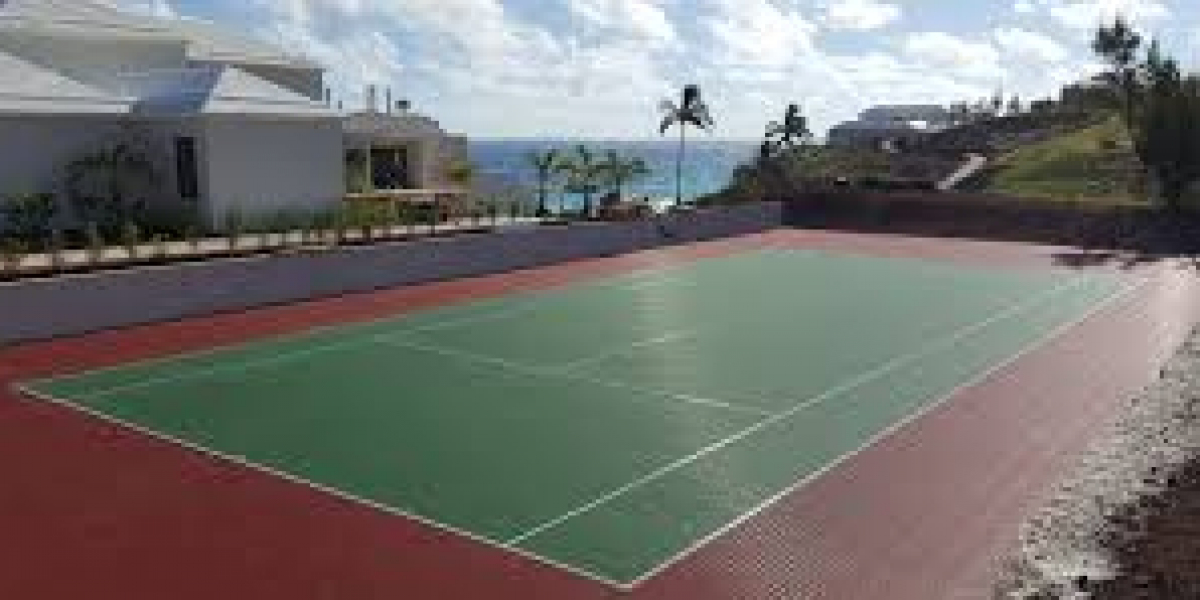
Tennis is a sport that thrives on precision, technique, and an ideal playing surface. The type of court flooring significantly impacts gameplay, player performance, and maintenance needs. Whether you're constructing a court for personal use, a community center, or a professional facility, understanding the types of tennis court surfaces, their materials, installation, and upkeep is crucial. This guide will walk you through everything you need to know about tennis court flooring and help you choose the best option for your needs.
Tennis courts come in various surface types, each offering unique characteristics that affect gameplay, ball bounce, and maintenance.
Description:
Hard courts are some of the most common surfaces used in professional and recreational settings. They are made from rigid materials, typically a concrete or asphalt base, layered with an acrylic coating.
Pros:
Cons:
Maintenance:
Ideal For:
Players seeking a balance of speed and bounce; suitable for beginner and advanced players alike.
Description:
Clay courts are made from crushed shale, stone, or brick. They are often recognizable by their reddish or greenish hues.
Pros:
Cons:
Maintenance:
Ideal For:
Players who value longer rallies and strategic gameplay; favored by baseline players.
Description:
Grass courts are the oldest type of tennis surface, known for their natural beauty and fast-paced gameplay. These courts are most famously associated with Wimbledon.
Pros:
Cons:
Maintenance:
Ideal For:
Traditionalists and players who excel in fast-paced conditions; ideal for luxurious, high-end facilities.
Description:
Artificial turf mimics the look of grass but uses synthetic materials for improved durability and reduced maintenance.
Pros:
Cons:
Maintenance:
Ideal For:
Community centers and casual players seeking a grass-like surface without intensive upkeep.
Understanding the materials involved can help when choosing the right surface type.
Each type of tennis court flooring has unique installation steps:
Costs vary widely depending on the type of flooring, size of the court, and location.
Here are some factors to consider when deciding on the best tennis court surface for your needs:
Tennis court flooring plays a crucial role in shaping the game experience and player well-being. By understanding the pros and cons, maintenance needs, and cost implications of each surface type, you can make an informed decision tailored to your specific requirements. Whether you prioritize style, durability, or gameplay quality, the right surface will bring years of enjoyment and excellence to your tennis court.

varun sharma
3Blog posts
-
 Saudi Pro League bay cao nhờ World Cup
Từng bị xem là sân chơi của những ngôi sao hết thời, nhưng Saudi Pro League hiện là giải VĐQG góp số cầu thủ nhiều thứ sáu tại World Cup 2026.
-
 Những kỷ lục sẽ bị xô đổ tại World Cup 2026
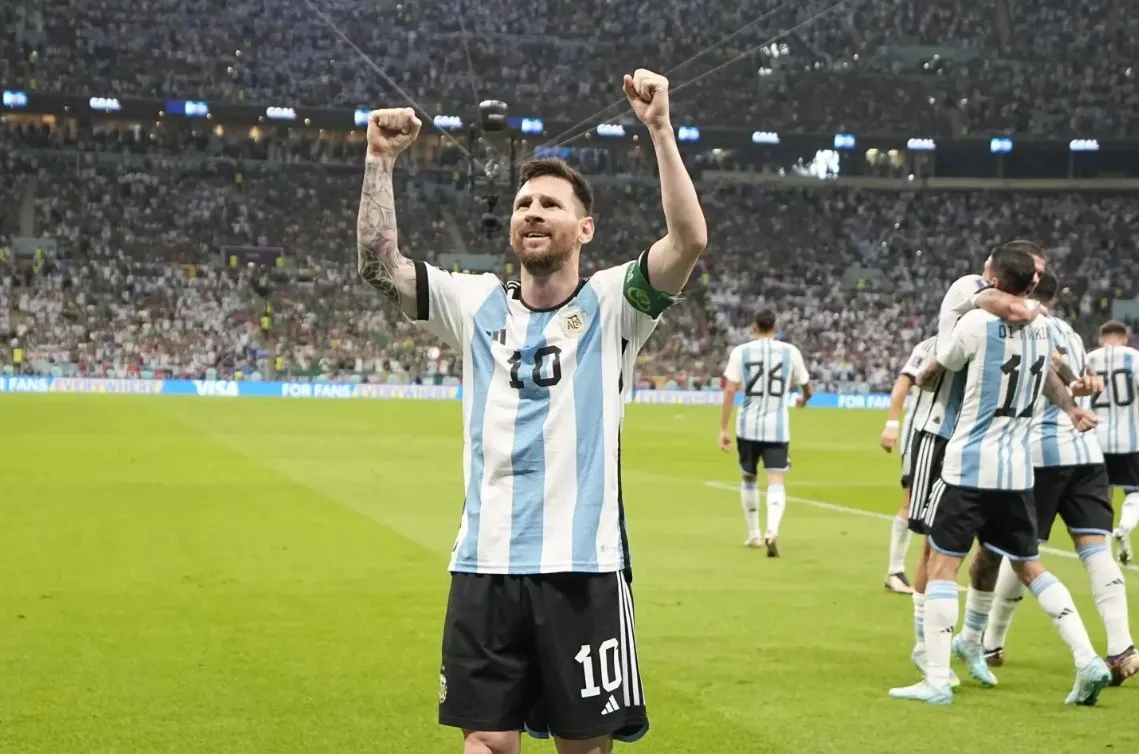
World Cup 2026 hứa hẹn chứng kiến nhiều kỷ lục bị phá, từ số bàn thắng, số trận thắng đến những tài năng trẻ tỏa sáng.
-
 Cuộc đua tiền tỷ để trở thành Đại kiện tướng
Để nuôi dưỡng một tài năng thành Đại kiện tướng, nhiều gia đình Việt Nam phải tự bỏ ra hàng trăm triệu, thậm chí cả tỷ đồng mỗi năm, trong khi các hỗ trợ vẫn còn hạn chế.
-
 Vì sao HLV đội tầm trung thường thất bại ở 'Big 6' Ngoại hạng Anh?
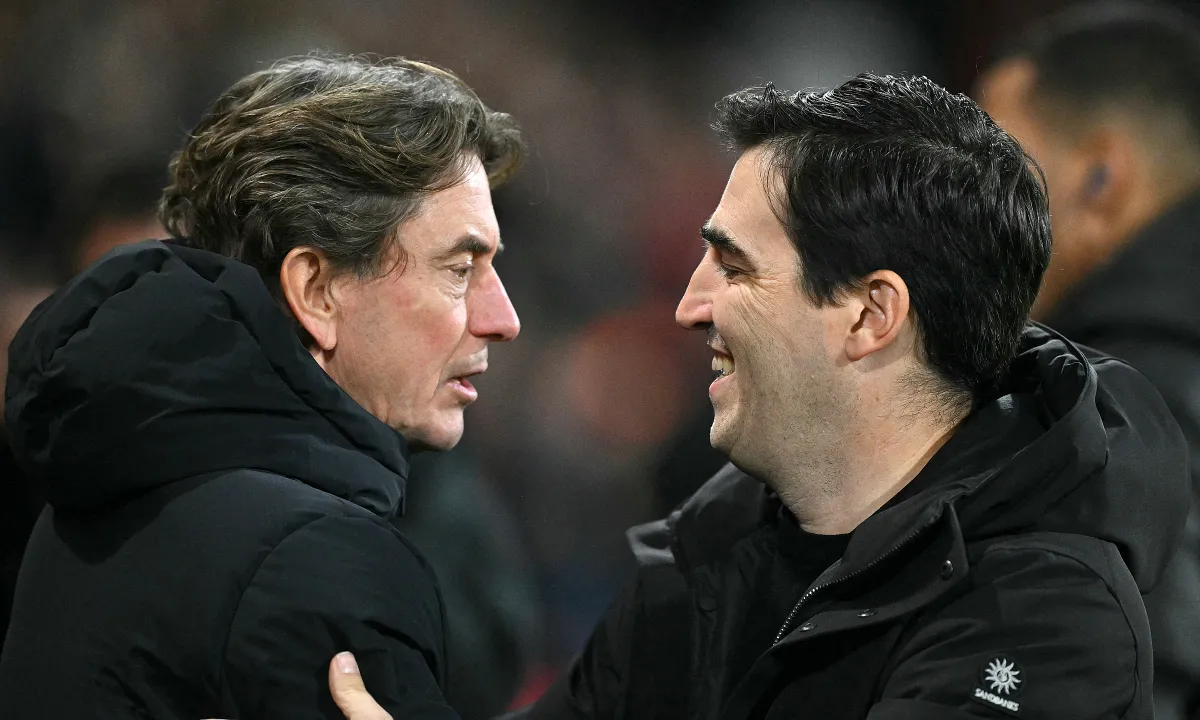
Một HLV như Andoni Iraola chuyển tới dẫn dắt Liverpool là bước tiến lớn trong sự nghiệp, nhưng lại là thử thách lớn khiến nhiều người vấp ngã.
-
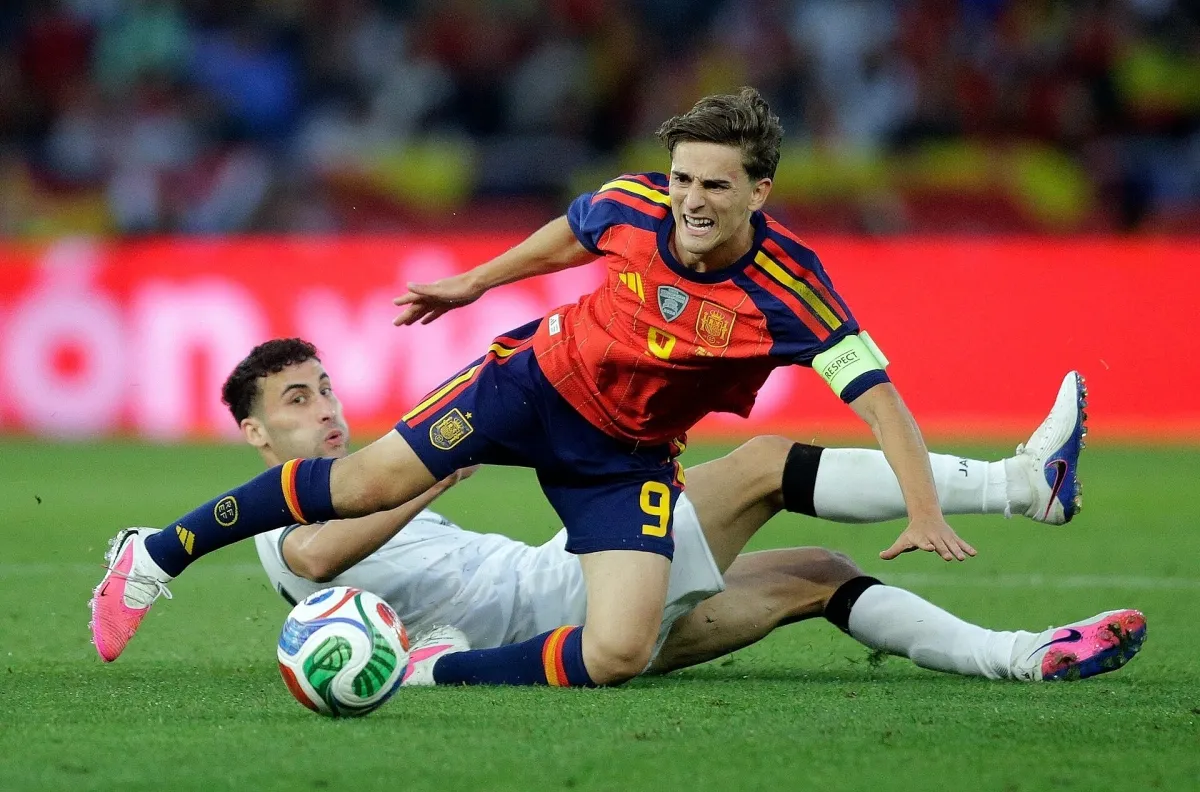 Iraq cầm hòa Tây Ban Nha trước khi dự World Cup
Iraq cầm hòa ĐKVĐ châu Âu 1-1 trong trận giao hữu trên sân Riazor tối 4/6, khi cả hai đội chuẩn bị cho World Cup 2026.
-
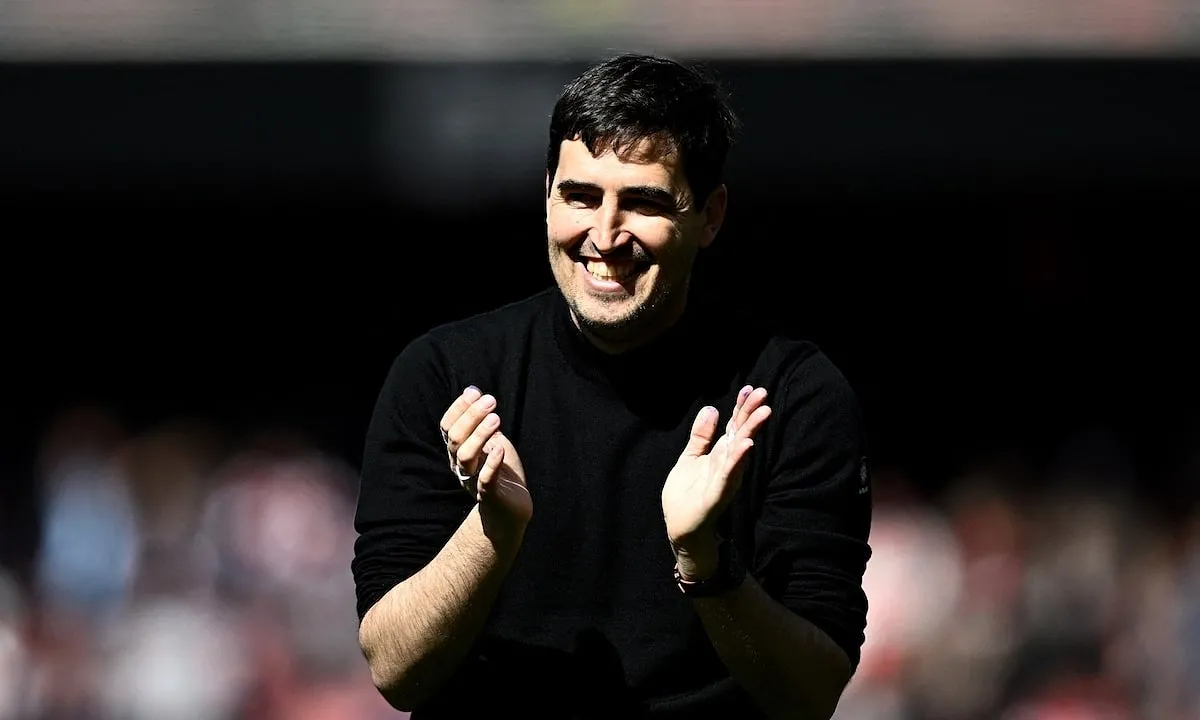 Liverpool bổ nhiệm HLV Iraola
Liverpool bổ nhiệm Andoni Iraola theo hợp đồng đến tháng 6/2028, đặt niềm tin vào HLV người Tây Ban Nha sau ba mùa giải gây ấn tượng cùng Bournemouth.
-
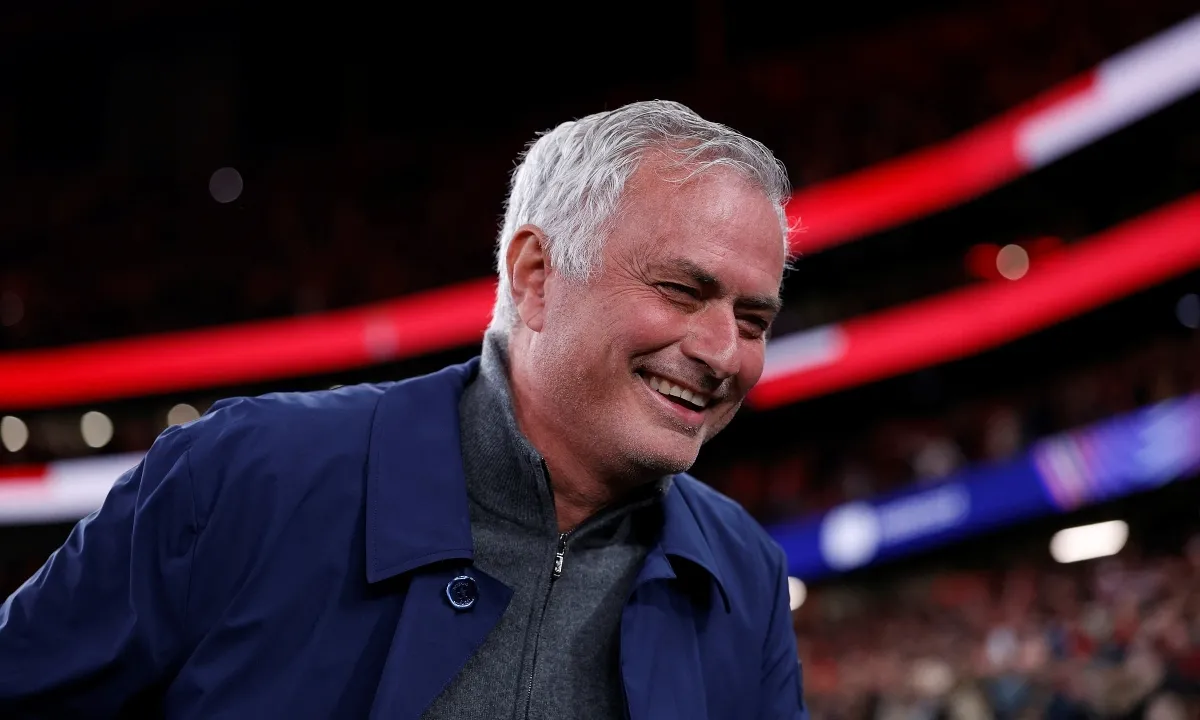 Chủ tịch Real công bố Mourinho
Chủ tịch Florentino Perez lần đầu xác nhận Jose Mourinho trở lại dẫn dắt Real Madrid, đồng thời tiết lộ sẽ gửi đề nghị trị giá 150 triệu euro cho một thương vụ khác.
-
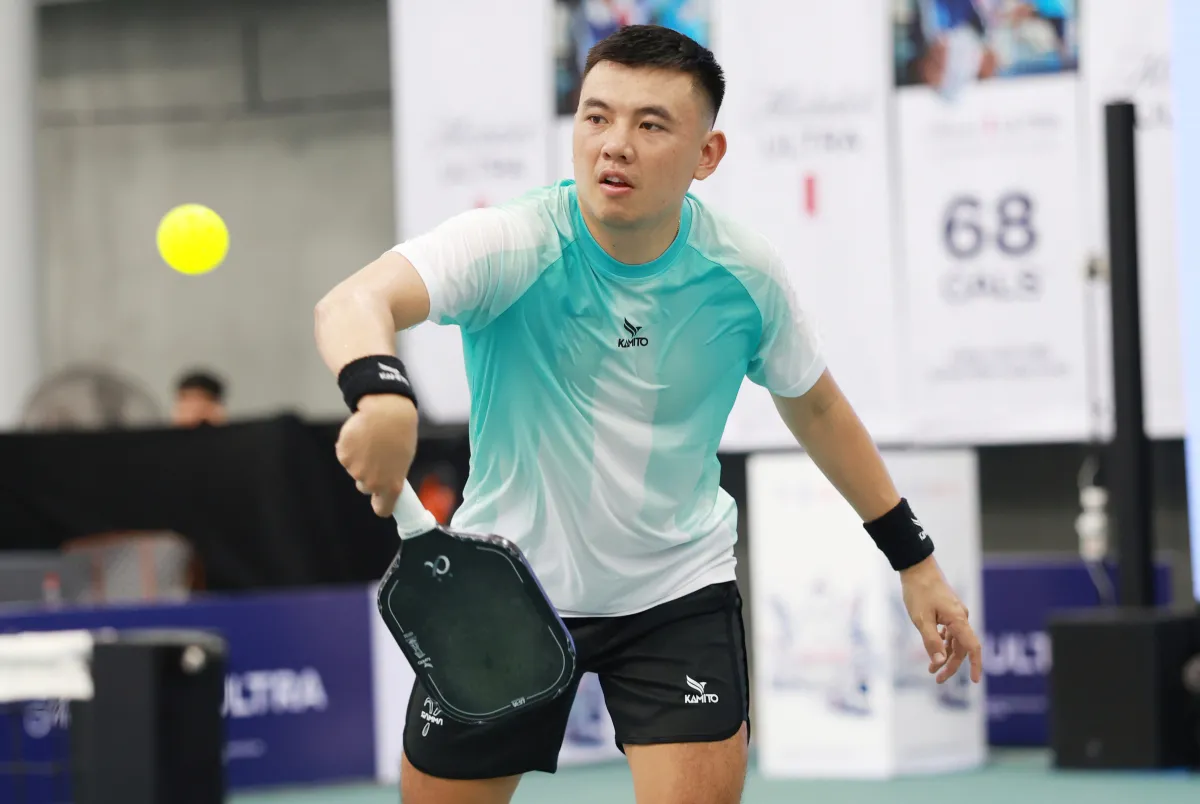 Quang Dương, Hoàng Nam khởi đầu thuận lợi ở giải pickleball châu Á
Các tay vợt hàng đầu Việt Nam đều có những chiến thắng ở ngày đầu giải Pickleball Michelob ULTRA - châu Á Mở rộng 2026.
-
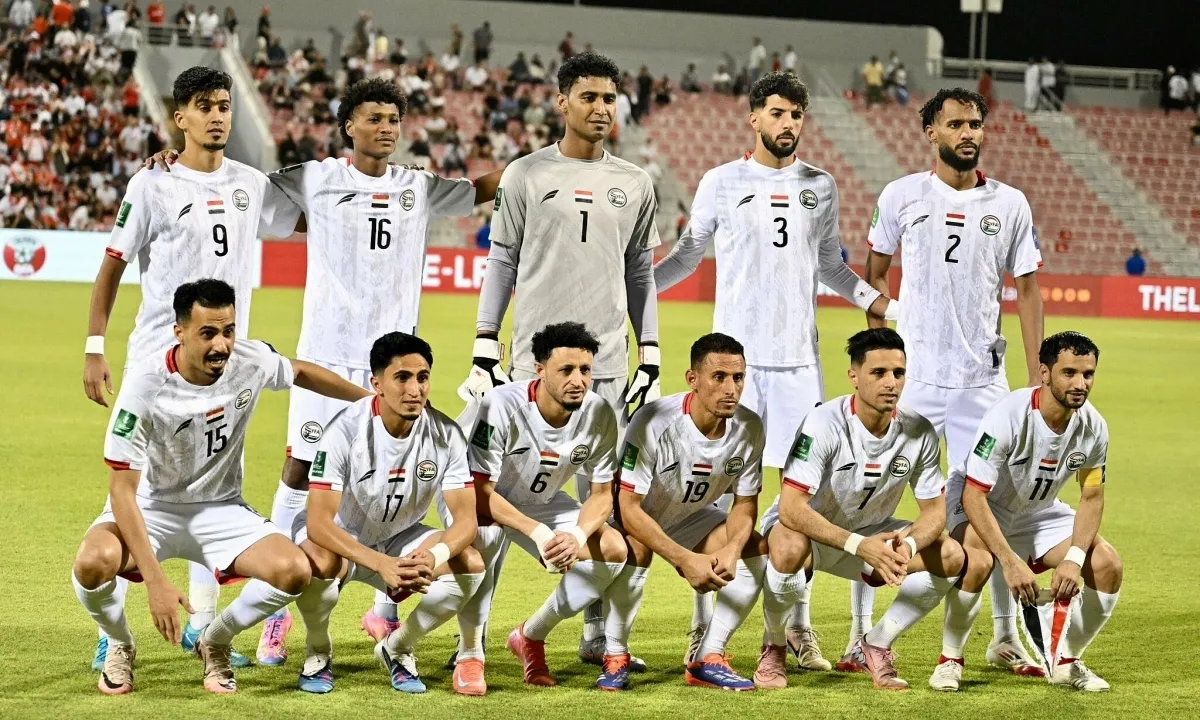 Xác định đối thủ cuối của Việt Nam ở vòng bảng Asian Cup 2027
Yemen hạ Lebanon 2-0 rạng sáng nay, để trở thành đại diện cuối cùng vào bảng E Asian Cup 2027 cùng Việt Nam.
-
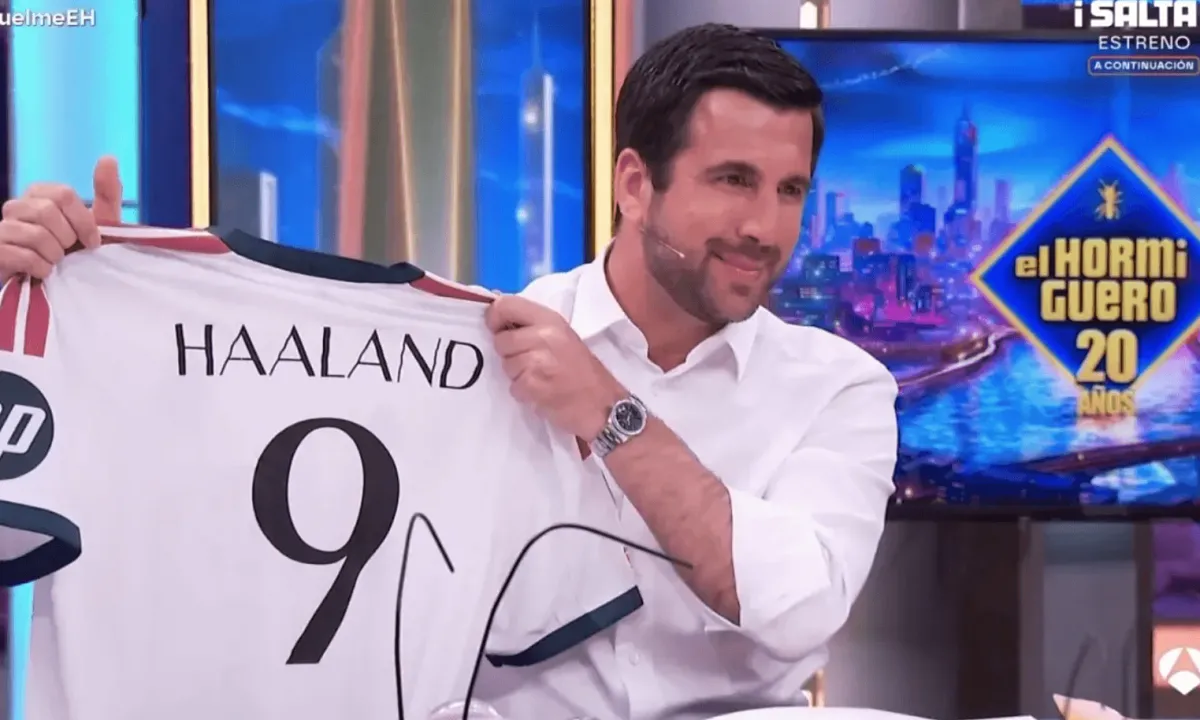 Man City dọa kiện ứng viên chủ tịch Real vì Haaland
Man City đang cân nhắc hành động pháp lý sau khi ứng viên chủ tịch Real Madrid, Enrique Riquelme công khai cam kết đưa Erling Haaland về Bernabeu nếu đắc cử.
-
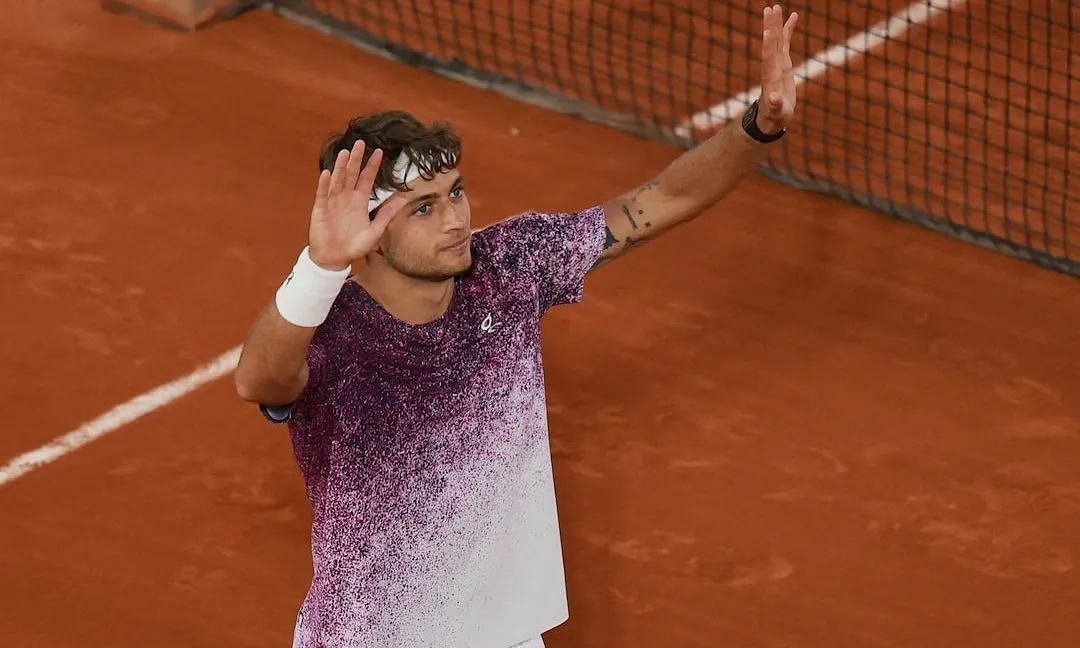 Cobolli nuôi mộng vô địch Roland Garros nhờ phòng tắm của Nadal
Tay vợt góp mặt ở bán kết, Flavio Cobolli tin rằng thói quen mê tín giúp anh tiến sâu tại Roland Garros 2026.


