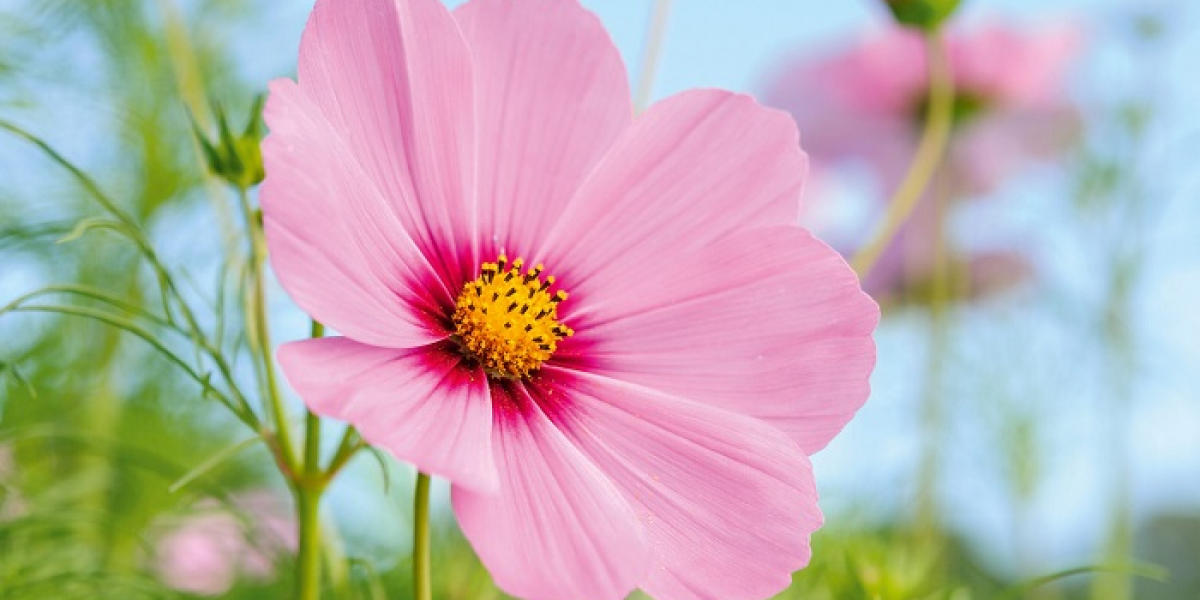
Flowers have been part of human life for thousands of years. They are used in celebrations, rituals, decorations, and even medicine. But beyond their beauty and fragrance, flowers carry deep meanings. Across cultures and time periods, people have used flowers to send silent messages. This tradition is known as flower symbolism.
Flower symbolism connects emotions, beliefs, and stories to specific blooms. A flower can represent love, grief, hope, or strength. Some meanings are ancient, passed down through folklore. Others are shaped by literature, religion, or color. In the Victorian era, people even created entire messages through carefully selected bouquets. Understanding these symbols opens a window into human culture and emotion.
This article presents 90 flowers with their special symbolism and meanings. Each flower carries a story. Some are well known, like the rose or lily. Others are rare, yet powerful in what they represent. By learning about flower symbolism, we deepen our appreciation for the natural world and the human heart.
Rose – Love and Passion
The rose is one of the most famous symbols in the flower world. A red rose often means deep love or desire. A white rose symbolizes purity. Yellow roses express friendship. The rose, in all its colors, remains the queen of romantic symbolism.
Lily – Purity and Renewal
Lilies are known for their elegant shape and heavenly scent. They are linked with renewal and purity, especially white lilies. In many cultures, they are used in religious ceremonies and funerals to symbolize rebirth.
Tulip – Perfect Love
Tulips symbolize perfect love and elegance. Red tulips show passion. Purple tulips speak of royalty. Yellow tulips once meant hopeless love, but now are seen as cheerful and sunny.
Orchid – Beauty and Strength
Orchids represent rare beauty and inner strength. They also stand for luxury and refinement. In ancient China, they symbolized fertility and harmony.
Sunflower – Loyalty and Positivity
Sunflowers turn toward the sun, and so they are symbols of loyalty, warmth, and hope. They bring joy and often represent adoration.
Daisy – Innocence and Joy
The daisy symbolizes innocence, simplicity, and childlike joy. It also means new beginnings and is often linked with spring.
Peony – Honor and Good Fortune
Peonies are lush and fragrant. In China, they are called the “king of flowers.” They symbolize honor, wealth, and good luck in marriage.
Iris – Wisdom and Faith
The iris is a regal flower. It represents faith, wisdom, and courage. In Greek mythology, it was a message carrier between gods and humans.
Lavender – Calm and Devotion
Lavender represents calm, grace, and healing. Its soft purple color and scent make it a symbol of serenity and love.
Carnation – Admiration and Affection
Carnations are symbols of admiration and deep affection. Pink carnations often mean a mother’s love. Red ones show admiration, and white ones purity.
Marigold – Passion and Creativity
Marigolds have fiery colors. They represent passion, creativity, and sometimes sorrow. In Mexico, they are used during Day of the Dead to honor loved ones.
Forget-Me-Not – Remembrance
This small blue flower stands for remembrance and true love. It’s often used to honor those who have passed away.
Chrysanthemum – Loyalty and Truth
In many Asian cultures, chrysanthemums are noble flowers. They symbolize loyalty, truth, and longevity.
Poppy – Peace and Sleep
Poppies are connected to sleep and peace. Red poppies also symbolize remembrance, especially for fallen soldiers.
Camellia – Admiration and Devotion
Camellias are elegant and come in many shades. Pink shows longing, white purity, and red deep love.
Anemone – Protection and Anticipation
Anemones are tied to myth and mystery. They often represent anticipation and are believed to ward off evil.
Gardenia – Secret Love
Gardenias symbolize secret or hidden love. Their white petals and rich scent speak of purity and mystery.
Daffodil – New Beginnings
Daffodils bloom in early spring. They represent renewal, hope, and new beginnings.
Hyacinth – Sorrow and Forgiveness
Hyacinths carry meanings of sorrow, forgiveness, and sometimes playful joy, depending on their color.
Gladiolus – Strength and Integrity
Gladiolus flowers are tall and dramatic. They symbolize strength, moral character, and victory.
Hibiscus – Delicate Beauty
Hibiscus is often linked to fleeting beauty and the joys of summer. In Hawaii, it is a symbol of hospitality.
Nasturtium – Patriotism and Victory
Nasturtiums represent conquest, strength, and patriotism. Their bright flowers reflect bold energy.
Magnolia – Dignity and Nobility
Magnolias are old and majestic flowers. They represent dignity, endurance, and grace.
Aster – Patience and Elegance
Asters are star-shaped flowers symbolizing patience and elegance. They also represent love and wisdom.
Snapdragon – Grace and Strength
Snapdragons are unique and hardy. They stand for grace under pressure and can also symbolize deception or mystery.
Freesia – Trust and Friendship
Freesias are sweet-smelling and symbolize trust, friendship, and innocence.
Zinnia – Lasting Affection
Zinnias are colorful and symbolize lasting affection and thoughts of absent friends.
Amaryllis – Pride and Radiance
Amaryllis blooms boldly and symbolizes pride, confidence, and radiant beauty.
Bluebell – Humility and Gratitude
Bluebells are humble flowers. They represent humility, gratitude, and kindness.
Buttercup – Childish Joy
Buttercups symbolize childlike joy, playfulness, and brightness.
Yarrow – Healing and Courage
Yarrow has been used in herbal medicine. It stands for healing, courage, and enduring love.
Sweet Pea – Bliss and Goodbye
Sweet peas symbolize delicate pleasure and often a goodbye after a happy time.
Foxglove – Ambiguity
Foxgloves have both healing and toxic properties. They symbolize energy, but also mischief or insincerity.
Lotus – Enlightenment and Rebirth
The lotus rises from the mud, clean and beautiful. It symbolizes spiritual awakening, purity, and rebirth.
Jasmine – Love and Sensuality
Jasmine flowers stand for sensual love, purity, and spiritual longing, especially in Eastern traditions.
Geranium – Comfort and Health
Geraniums are linked to health, balance, and emotional comfort.
Petunia – Soothing Presence
Petunias represent calmness, healing, and the desire to spend time together.
Cyclamen – Goodbye and Departure
Cyclamens are tied to partings and can represent resignation or heartfelt goodbyes.
Delphinium – Boldness and Big Heart
Delphiniums, with their tall spikes, represent boldness, big-heartedness, and open communication.
Bellflower – Gratitude
Bellflowers symbolize gratitude, humility, and the beauty of honesty.
Clover – Luck and Faith
Clovers, especially four-leaf ones, stand for luck. Three-leaf clovers symbolize faith, hope, and love.
Hellebore – Scandal and Mystery
Hellebores bloom in winter. They represent mystery, scandal, and hidden emotions.
Cornflower – Hope and Devotion
Cornflowers represent gentle hope, devotion, and elegance in adversity.
Heather – Protection and Admiration
Heather grows in wild places. It symbolizes protection, admiration, and solitude.
Verbena – Healing and Protection
Verbena is linked to sacred traditions. It stands for healing, protection, and creativity.
Bouvardia – Enthusiasm
Bouvardia blooms show enthusiasm, energy, and zest for life.
Calendula – Comfort and Healing
Calendula flowers have medicinal uses. They represent comfort, warmth, and healing.
Stock – Lasting Beauty
Stock flowers symbolize lasting beauty, happy life, and joyful memories.
Statice – Memory and Sympathy
Statice is often used in dried bouquets. It stands for memory and sympathy.
Scabiosa – Unfulfilled Love
Scabiosa is also called the mourning bride. It symbolizes love that is not returned.
Tuberose – Dangerous Pleasure
Tuberose has a strong scent and represents passion, sensuality, and sometimes danger.
Ranunculus – Radiance and Charm
Ranunculus flowers are full and bright. They symbolize charm and shining beauty.
Bee Balm – Energy and Vitality
Bee balm attracts pollinators and symbolizes vitality, action, and health.
Passionflower – Sacrifice and Faith
In Christian tradition, the passionflower symbolizes the crucifixion of Christ and deep spiritual faith.
Conclusion
Flower symbolism gives deeper meaning to the beauty of nature. Every petal, color, and bloom carries a story. Whether you are giving flowers or planting them, knowing what they represent adds meaning to the act. These 90 flowers offer a rich vocabulary for emotion, memory, and connection. From the passionate rose to the humble daisy, each flower speaks. Through them, we understand more about love, loss, joy, and hope.

ourspiritanimal ourspiritanimal
61 posts
-
 Косметика BILOU: Ніжність та Аромати Догляду за Шкірою
Магазин косметики EOS.KIEV.UA
-
 Moderns Adventure Gear: Navigating the Wilderness with Style and Substance
Moderns Adventure Gear emerges as a beacon in the realm of outdoor exploration, seamlessly blending style with substance to create a distinctive narrative in the world of wilderness navigation. In this exploration, we delve into how Moderns infuses each piece of gear with a touch of elegan
-
 Ring in the New Year with Stunning Lingerie Embrace Elegance and Confidence
The holidays are approaching, when we are looking for great gifts for ourselves and our loved ones. This is the time when we all want to look and feel special.
-
 Unveiling Timeless Elegance - The Essence of Seven Bags
Indulge in the epitome of style with Seven Bags – where timeless elegance meets unparalleled craftsmanship. Since 2012, this Ukrainian brand has redefined fashion, offering a unique blend of sophistication and individuality. From classic designs to bold statements, each bag is a masterpi
-
 Світ Вакуумних Стимуляторів: Відкриваємо Двері до Нових Насоло
Вакуумні стимулятори відкривають перед жінками не тільки двері до нового світу задоволення, але й допомагають їм відкривати власні бажання та фантазії. Ці ін
-
 Стимулятори в Інтимному Досвіді: Тенденції та Інновації
У світі інтимних стимуляторів, де кожен може знайти щось унікальне та стимулююче, тенденції надають нам можливість вдосконалювати наше інтимне життя та виби?
-
 Cyprus flowers
Cyprus is home to a wide variety of daisies.
-
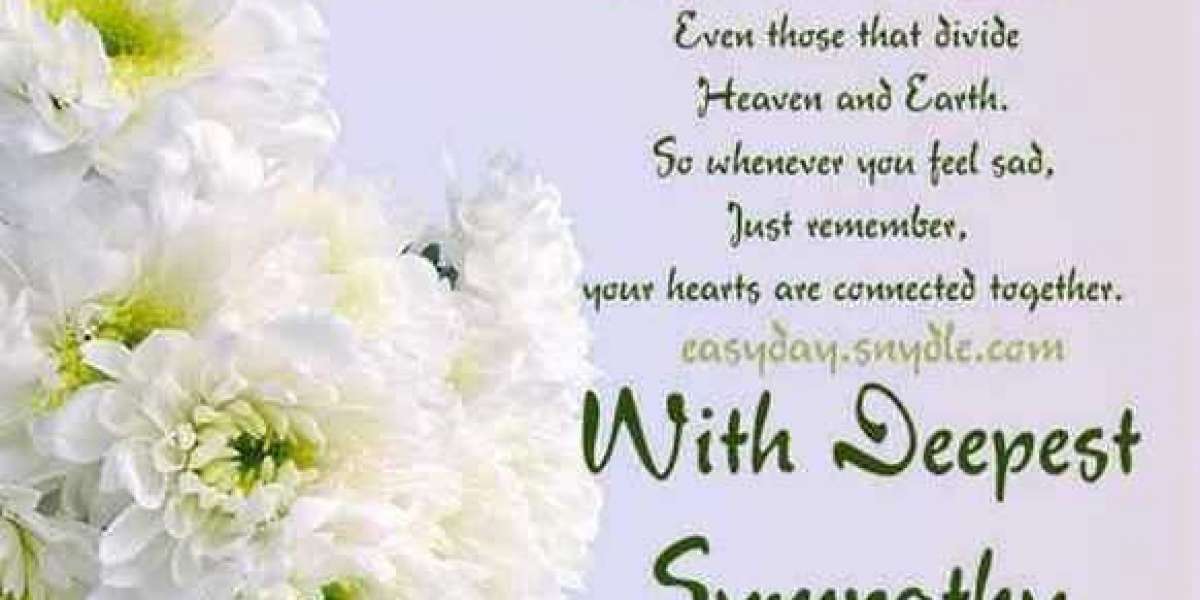 Funeral Card Messages
Parents are the dear loved ones in anyone's life, and missing one of them is pretty painful.


