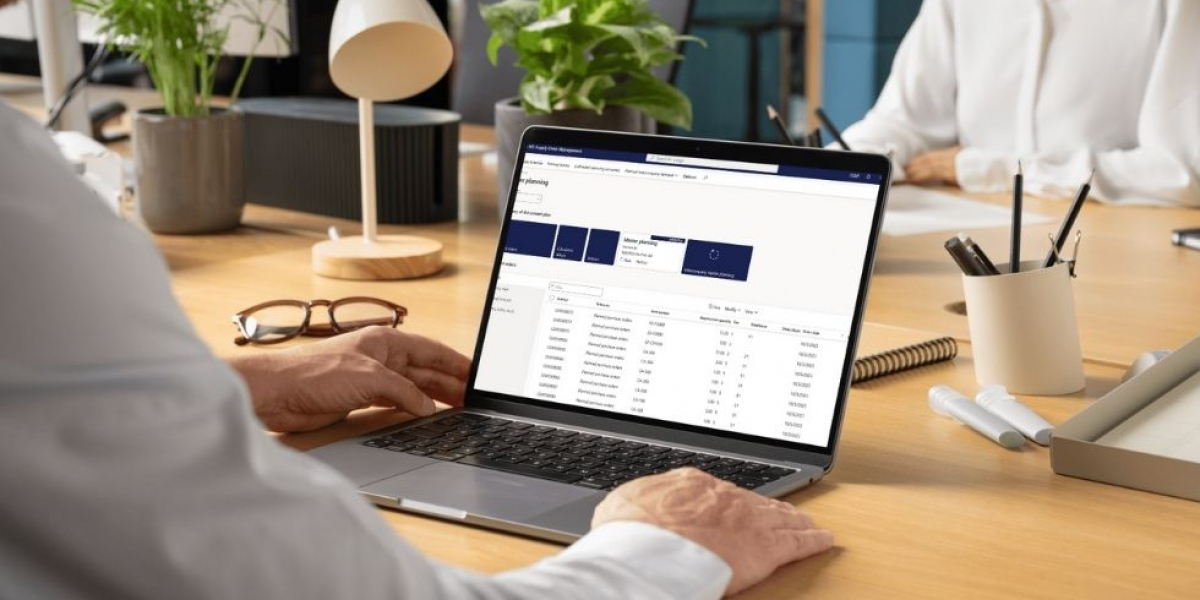
Transportation management is a critical component of supply chain operations, directly impacting costs, customer satisfaction, and overall efficiency. However, many businesses make costly mistakes that lead to delays, wasted resources, and lost revenue.
In this article, we’ll explore five common transportation management mistakes that could be costing your company big time—and how to fix them.
Many companies still rely on outdated tracking methods, such as manual updates or delayed reporting. Without real-time visibility, businesses struggle with:
Delayed responses to disruptions (e.g., traffic, weather)
Poor communication with customers about shipment status
Increased risk of theft or loss
Invest in GPS tracking and Transportation Management Systems (TMS) that provide:
Live shipment tracking
Automated alerts for delays
Integration with customer portals for transparency
By improving visibility, companies can proactively manage issues and enhance customer trust.
Inefficient routing leads to:
Higher fuel costs
Longer delivery times
Increased driver fatigue and vehicle wear
Many businesses still rely on static routes instead of dynamic optimization.
Use AI-powered route optimization tools to:
Adjust routes in real-time based on traffic, weather, and delivery windows
Reduce fuel consumption and mileage
Improve on-time delivery rates
Companies like Amazon and UPS save millions annually by optimizing delivery routes—small businesses can benefit just as much.
Not all carriers perform equally. Some common issues include:
Frequent delays
Damaged goods
Poor communication
Yet, many companies stick with underperforming carriers due to long-term contracts or lack of data. Logistics And Supply Chain Management
Implement key performance indicators (KPIs) such as:
On-time delivery rate
Freight damage percentage
Cost per mile
Regularly review carrier performance and negotiate better terms—or switch to more reliable partners.
Manual freight billing processes often result in:
Overbilling due to incorrect rates or accessorial charges
Late payments leading to penalties
Lack of cost visibility
Studies show that 3-5% of freight invoices contain errors, costing companies thousands annually.
Automate freight audit and payment with AI-driven auditing tools that:
Detect billing errors and overcharges
Streamline invoice processing
Provide analytics for cost-saving opportunities
This ensures accurate billing and better financial control.
Many logistics teams resist digital transformation due to:
High upfront costs
Employee resistance to change
Lack of awareness of available tools
Yet, sticking with outdated methods leads to inefficiencies and higher long-term costs.
Embrace modern transportation technologies, such as:
Blockchain for secure, transparent transactions
IoT sensors for real-time cargo monitoring
Predictive analytics for demand forecasting
Companies that adopt these tools gain a competitive edge in cost reduction and service quality.
Transportation management mistakes can silently drain profits, but they’re avoidable. By improving real-time tracking, optimizing routes, monitoring carrier performance, automating freight audits, and adopting new technologies, businesses can significantly cut costs and enhance efficiency.
The key is to audit current processes, identify weaknesses, and implement data-driven solutions. Those who do will see immediate savings and long-term competitive advantages

DynaTech Systems
1 posts
-
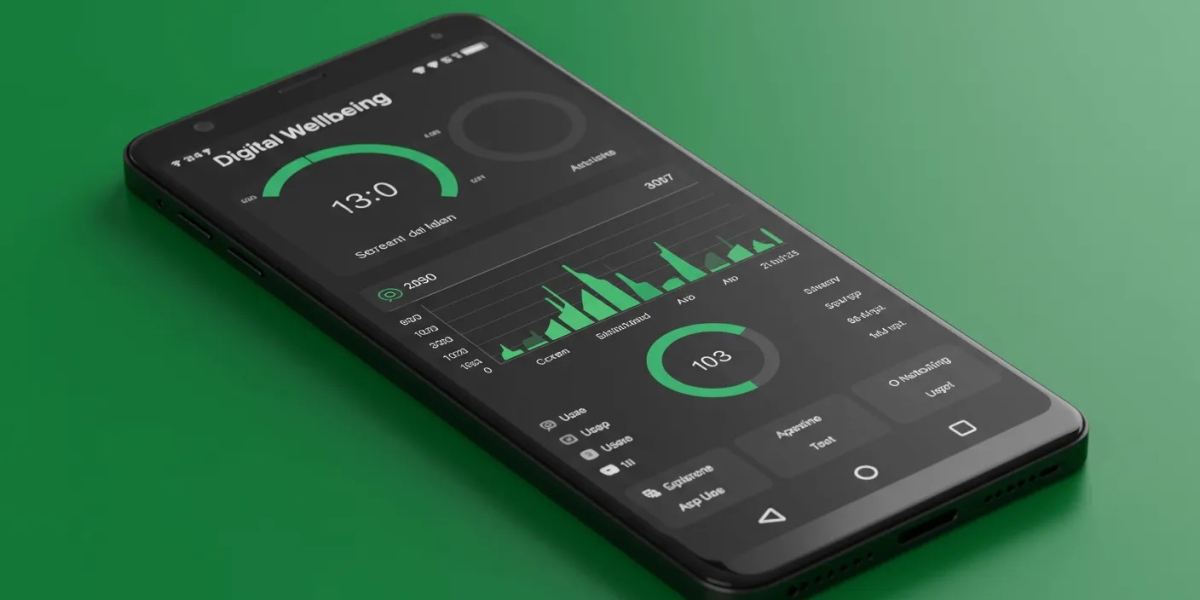 Cómo Proteger tu Teléfono Android de Virus y Ciberataques en 2025
Aunque Android ha mejorado sus medidas de protección con cada actualización, muchas veces los problemas aparecen por descuidos del propio usuario. En este artículo te explicamos cómo mantener tu dispositivo Android seguro, actualizado y libre de amenazas
-
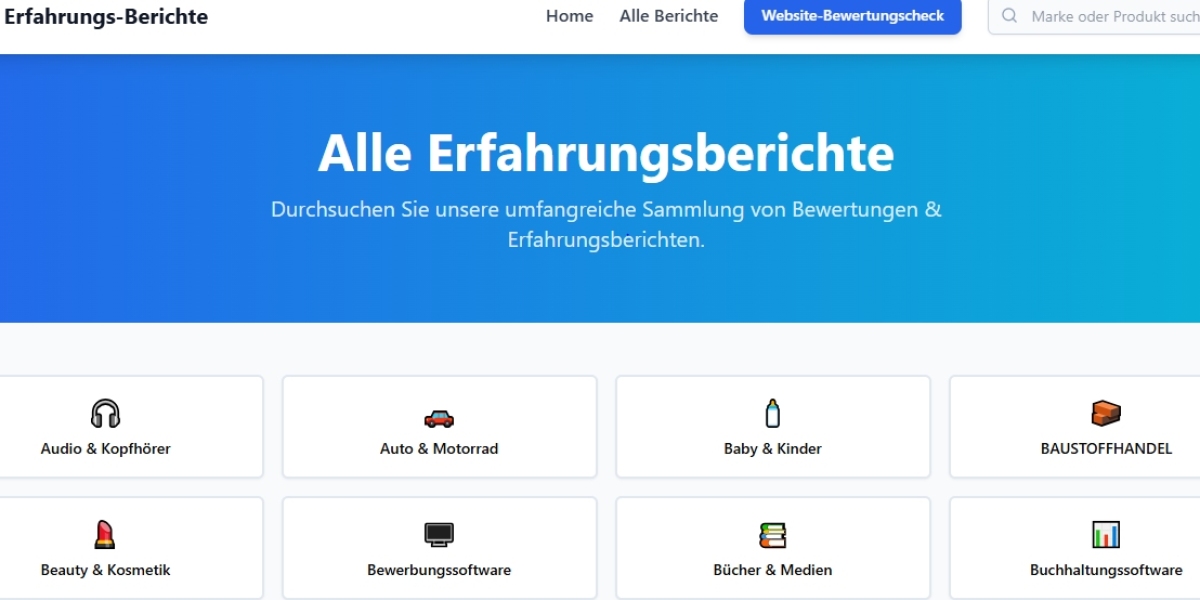 Erfahrungen – die unsichtbare Kraft hinter Vertrauen und Entscheidung
Erfahrungen – die unsichtbare Kraft hinter Vertrauen und Entscheidung
-
 Fliegengittertür – Schutz, Komfort und Lebensqualität für Ihr Zuhause
Fliegengittertür – Schutz, Komfort und Lebensqualität für Ihr Zuhause
-
 Créer des scripts de podcasts professionnels grâce à Chat GPT
Grâce à Chat GPT, les barrières à la création de podcasts s’effondrent. Plus besoin d’être un expert en rédaction ou en storytelling : vous êtes accompagné à chaque étape. Que vous soyez entrepreneur, coach, enseignant, passionné de culture, ou simple curieux, vous pouvez c
-
 Understanding How And When To Do Bone Marrow Transplant
Bone marrow transplants are a life-saving treatment for various conditions, including certain types of cancer, blood disorders, and immune deficiencies. This complex procedure involves replacing damaged or diseased bone marrow with healthy stem cells. If you or a loved one are considering
-
 Понять, как костный мозг восстанавливается после трансплантации костного мозга
Трансплантация костного мозга, сложная медицинская процедура, предлагает спасательный круг для людей, борющихся с опасными для жизни заболеваниями, такими к
-
 مخاطر عملية زرع نخاع العظم لمرضى فقر الدم المنجلي
تقدم عملية زرع نخاع العظم (BMT)، المعروفة أيضًا باسم عملية زرع الخلايا الجذعية المكونة للدم (HSCT)، إمكانية علاج مرض فقر الدم المنجلي (SCD). ومع ذلك، فهي عملية معقدة ت
-
 Acute Lymphoblastic Leukemia (ALL) Stem Cell Transplant Survival Rates
Acute Lymphoblastic Leukemia (ALL) is a cancer of the bone marrow and blood that primarily affects children but can also occur in adults. While treatment options have significantly improved, some patients may require a stem cell transplant for optimal outcomes.
-
 የአጥንት ቅልጥምንም ንቅለ ተከላ በኋላ ትክክለኛውን አመጋገብ ወይም አመጋገብ ይወቁ
የአጥንት መቅኒ ንቅለ ተከላ በሽታ የመከላከል ስርዓትን በእጅጉ የሚጎዳ ውስብስብ የሕክምና ሂደት ነው። ሰውነትዎ ሲያገግም, ለአመጋገብዎ ጥንቃቄ የተሞላበት ትኩረት በጣም አስፈ
-
 Апластическая анемия. Ожидаемая продолжительность жизни после трансплантации костного мозга
Апластическая анемия — редкое и серьезное заболевание крови, при котором костный мозг перестает вырабатывать достаточное количество клеток крови. Это може
-
 متوسط العمر المتوقع بعد عملية زرع نخاع العظم – الطريق إلى التعافي
تقدم عمليات زرع نخاع العظم الأمل لمن يعانون من اضطرابات الدم ولكنها تنطوي على مخاطر. تؤثر متغيرات مثل نوع المرض، ومطابقة المتبرع، وGVHD، والمضاعفات، والعمر، وال


