
A 3D Motion Capture System is a groundbreaking technology used to digitally record the movement of people or objects in three dimensions. Commonly referred to as 3D MoCap, it plays a critical role in industries like film production, video games, sports science, robotics, virtual reality (VR), and biomechanics.
The 3D motion capture system market involves technologies that record and analyze human or object movements in three dimensions. Used in entertainment, sports, healthcare, and research, these systems include hardware like cameras and sensors, and software for data processing. The market is segmented by system type, application, and region.
By translating real-world motion into digital data, 3D motion capture allows creators and engineers to animate characters, analyze performance, and simulate human movement with unparalleled accuracy.
A 3D Motion Capture System involves tracking the position and orientation of body parts or objects over time. This is typically achieved by placing markers or sensors on a subject and recording their movement through specialized cameras or inertial sensors. The data is then processed to create a digital representation of the motion in a 3D space.
There are two primary types of systems:
Optical Motion Capture: Uses cameras and reflective markers.
Inertial Motion Capture: Uses sensors that track orientation and acceleration.
Markers are attached to key joints of the body.
Multiple high-speed infrared cameras track the positions of these markers.
A computer reconstructs the 3D motion using triangulation.
Advanced algorithms use depth cameras or machine learning to interpret body movement.
Useful for applications where physical markers are impractical.
Wearable devices with gyroscopes and accelerometers track orientation and movement.
Ideal for outdoor use or in environments where cameras are not feasible.
Creates realistic character animations for movies and video games.
Enables virtual stunt doubles and complex action sequences.
Analyzes athletes’ movements to improve performance.
Helps prevent injuries through detailed motion analysis.
Assesses patient mobility and rehabilitation progress.
Supports the design of prosthetics and orthotics.
Programs humanoid robots to mimic human movements.
Enhances control in remote-operated systems.
Enables full-body tracking for immersive VR experiences.
Facilitates natural user interfaces in AR applications.
High Accuracy: Captures subtle and complex movements with precision.
Efficiency: Faster and more consistent than manual animation or tracking.
Versatility: Applicable across entertainment, healthcare, and engineering.
Real-Time Feedback: Many systems allow for live visualization of motion.
Cost: High-end systems can be expensive, especially those used in film production.
Calibration: Systems require careful setup and calibration to ensure accuracy.
Environment Limitations: Optical systems need controlled lighting and minimal interference.
Data Processing: Generates large volumes of data requiring powerful computing resources.
AI-Driven Markerless Capture: Greater accessibility and user-friendliness.
Cloud Integration: Streamlined data storage and remote collaboration.
Real-Time 3D Avatars: Enhancing virtual meetings and digital entertainment.
Miniaturized Wearables: Discreet and non-intrusive motion tracking for daily use.
3D Motion Capture Systems represent a fusion of art, science, and technology, enabling the precise digital replication of human and mechanical motion. From blockbuster films to cutting-edge medical research, MoCap systems continue to shape how we understand and replicate movement. As technology becomes more accessible, we can expect even broader adoption across industries and everyday applications.
Related Reports:

Shraddha Dhumal
31 posts
-
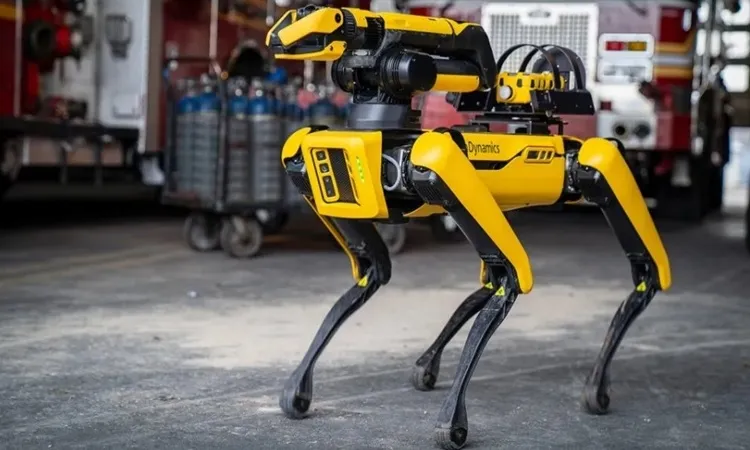 Những robot động vật giải quyết thách thức kỹ thuật
Lấy cảm hứng thiết kế từ tự nhiên, một số robot động vật đáp ứng xuất sắc các nhiệm vụ khó khăn từ giám sát công nghiệp tới thám hiểm dưới nước.
-
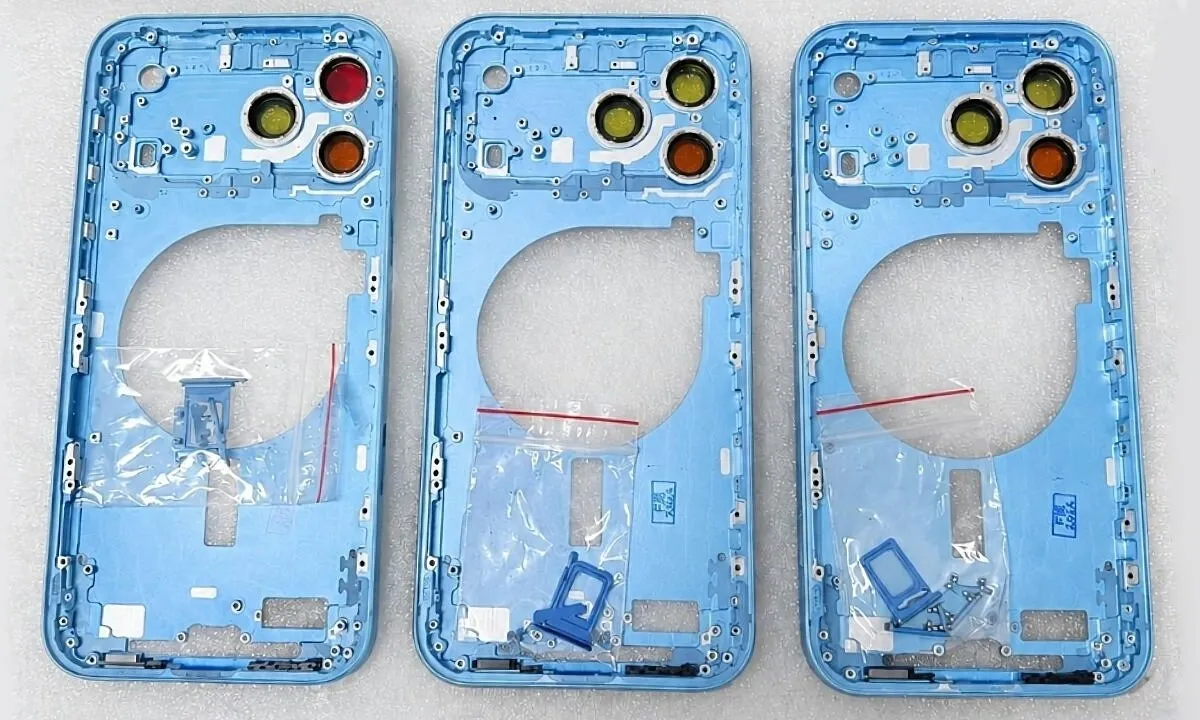 Rò rỉ khung iPhone 18 Pro với ba màu mới
Một số hình ảnh được cho là khung sườn của iPhone 18 Pro xuất hiện trên mạng, cho thấy các tùy chọn màu sắc thực tế của sản phẩm.
-
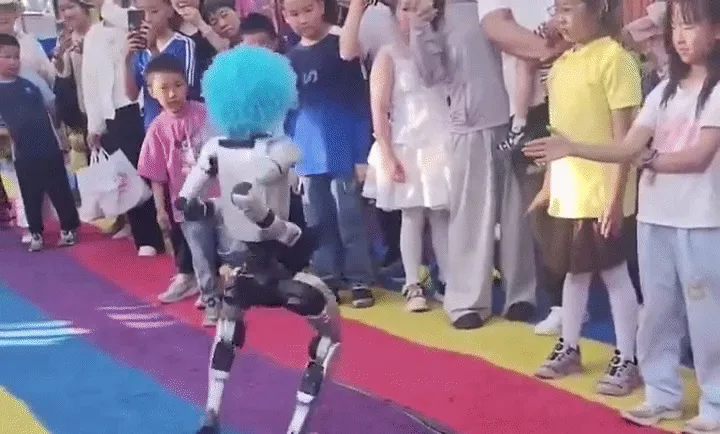 Robot 'chú hề' đá trúng khán giả nhí
Khi biểu diễn trước đám đông tại Tân Cương, robot hình người G1 của công ty Unitree vô tình đá vào bụng một cậu bé đứng xem.
-
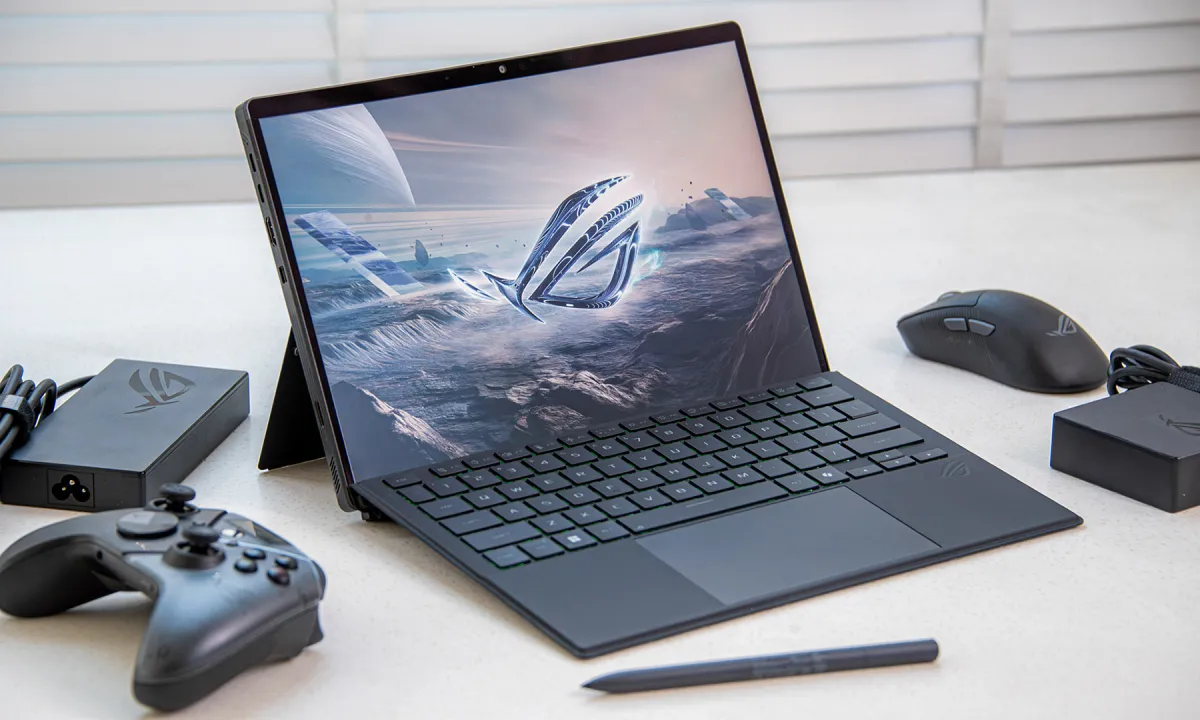 Các mẫu laptop gaming nổi bật của ROG 20 năm qua
Dòng Zephyrus G14 mỏng nhẹ, Zephyrus Duo với màn hình đôi, Flow Z13 thiết kế lai tablet là các mẫu laptop gaming đặc biệt của ROG.
-
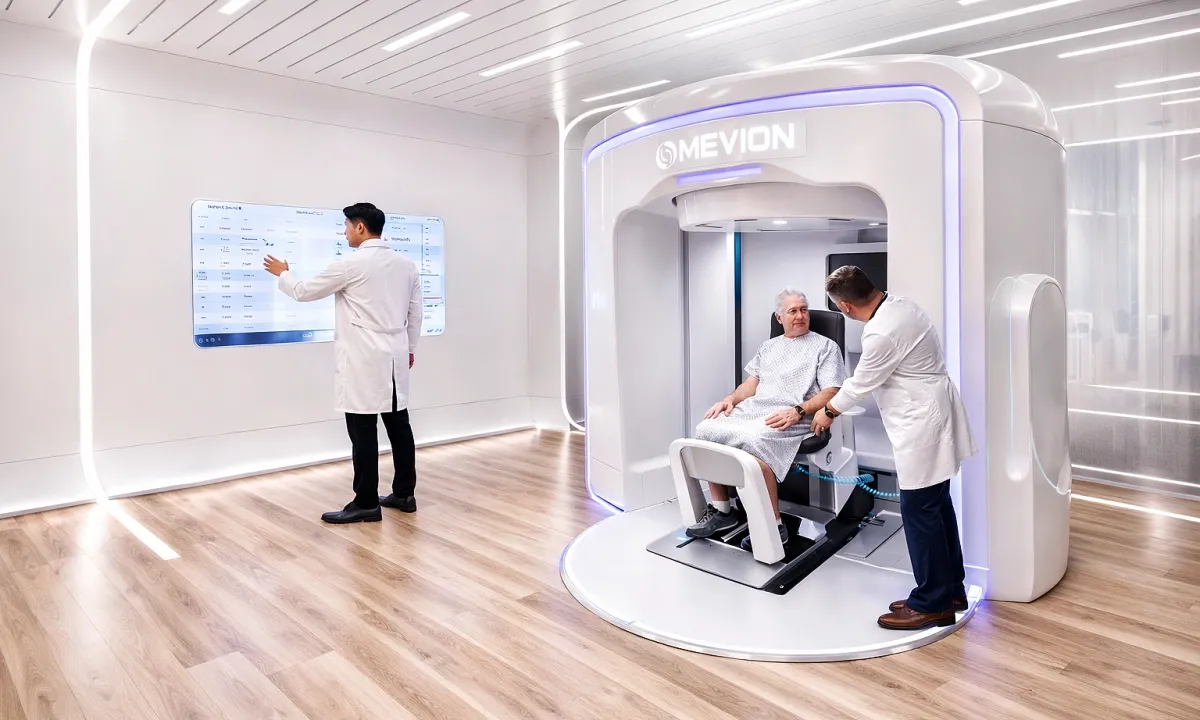 AI hỗ trợ xạ trị trúng đích trong 'siêu máy' 2.000 tỷ đồng
Máy proton Mevion S250-FIT dùng AI tấn công khối u chính xác và an toàn hơn, là hệ thống xạ trị tư thế ngồi đầu tiên trên thế giới của Mevion (Mỹ), được Bệnh viện Tâm Anh đưa về Việt Nam.
-
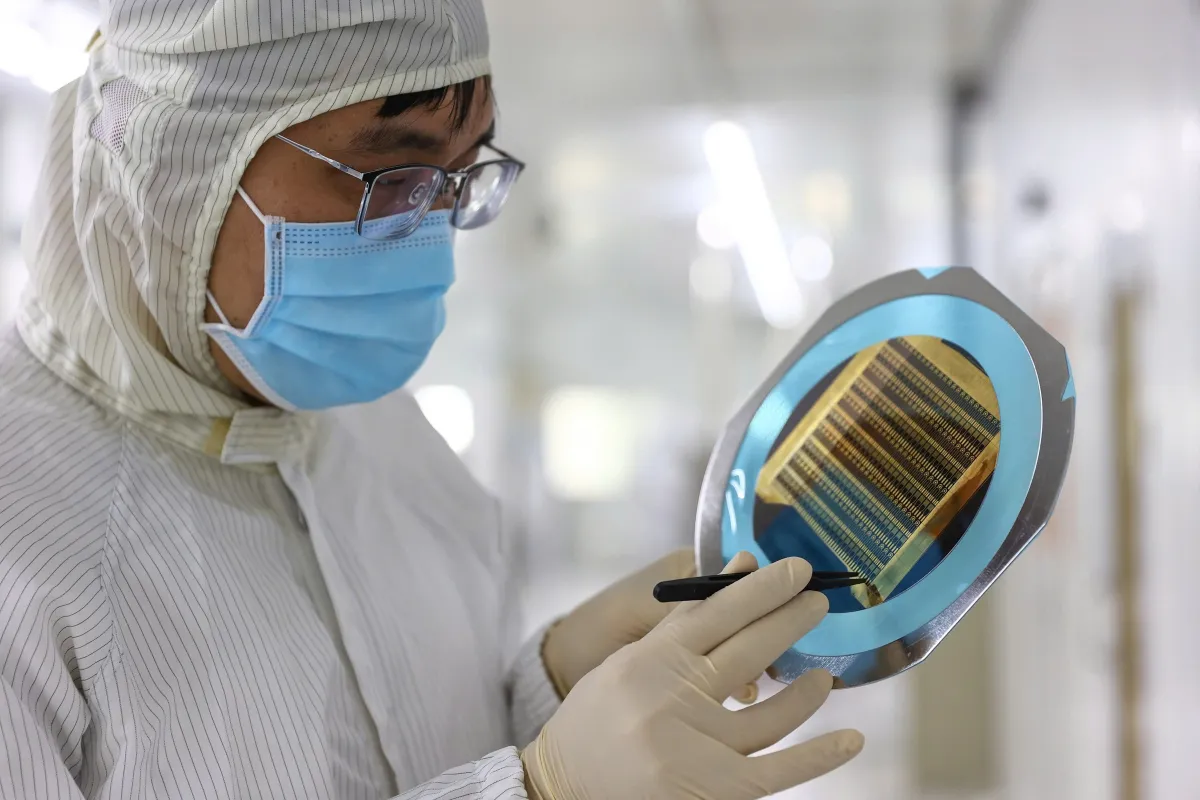 Tái cấu trúc phòng thí nghiệm trọng điểm, làm chủ công nghệ chiến lược
Việt Nam dự kiến xây dựng khoảng 10-15 trung tâm nghiên cứu và phòng thí nghiệm quốc gia quy mô lớn, tập trung vào AI, bán dẫn... phục vụ mục tiêu làm chủ công nghệ chiến lược.
-
 Anthropic: Cần cơ chế dừng phát triển AI toàn cầu
Startup Anthropic cho rằng thế giới cần chuẩn bị phương án giảm tốc hoặc dừng phát triển AI nếu các mô hình có khả năng tự nâng cấp quá nhanh.
-
 Tổng Bí thư, Chủ tịch nước Tô Lâm đề nghị chuyên gia Google hỗ trợ phát triển AI
Trong buổi tiếp ông Eric Schmidt, nguyên Chủ tịch Google, cùng đoàn chuyên gia, Tổng Bí thư, Chủ tịch nước Tô Lâm đề nghị hỗ trợ Việt Nam xây dựng tầm nhìn, chính sách và hệ sinh thái AI.
-
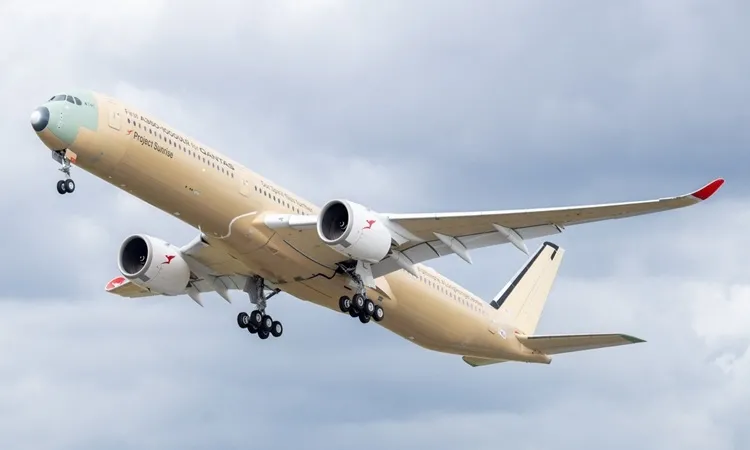 Máy bay chở khách có tầm bay xa nhất thế giới
Máy bay A350-1000ULR của Airbus có thể bay liên tục 22 giờ với tầm bay tối đa lên tới trên 18.000 km.
-
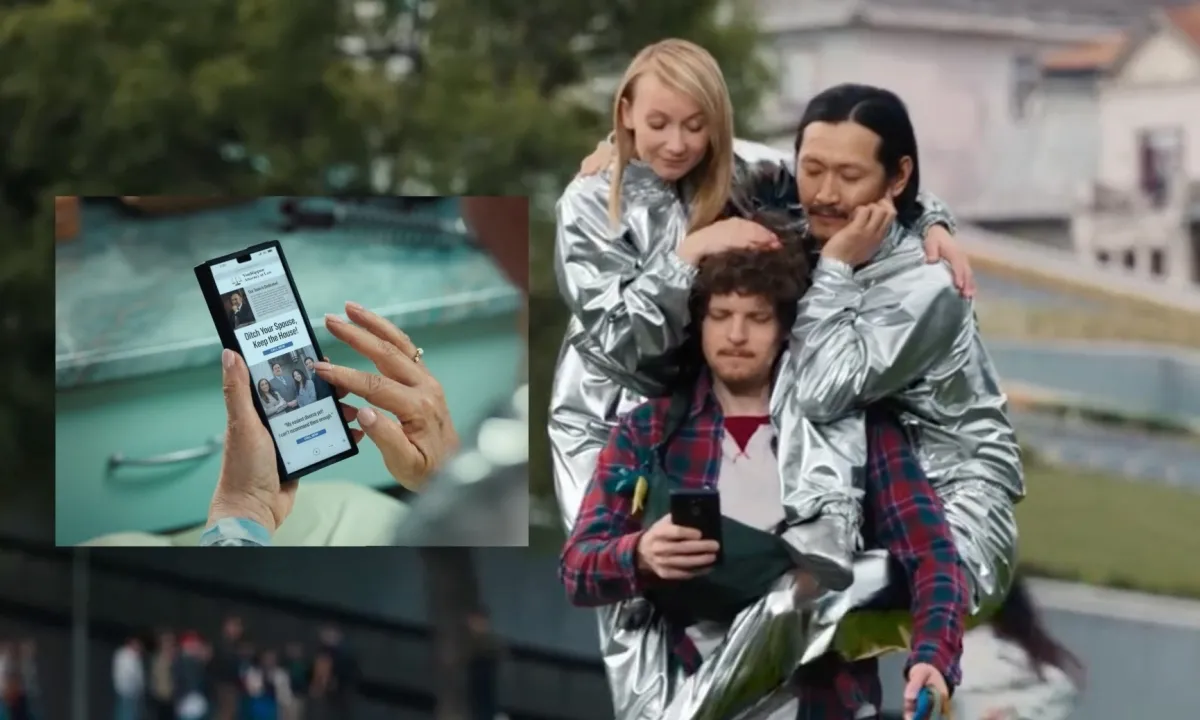 Apple 'đá xoáy' trình duyệt Chrome
Trong video giới thiệu khả năng bảo mật dữ liệu riêng tư của Safari, Apple ẩn ý trình duyệt Chrome không bảo vệ người dùng trước những kẻ theo dõi.
-
 Tổng Bí thư, Chủ tịch nước Tô Lâm đề nghị Google hỗ trợ xây dựng hệ sinh thái AI
Trong buổi tiếp ông Eric Schmidt, nguyên Chủ tịch Google, cùng đoàn chuyên gia, Tổng Bí thư, Chủ tịch nước Tô Lâm đề nghị hỗ trợ Việt Nam xây dựng tầm nhìn, chính sách và hệ sinh thái AI.


