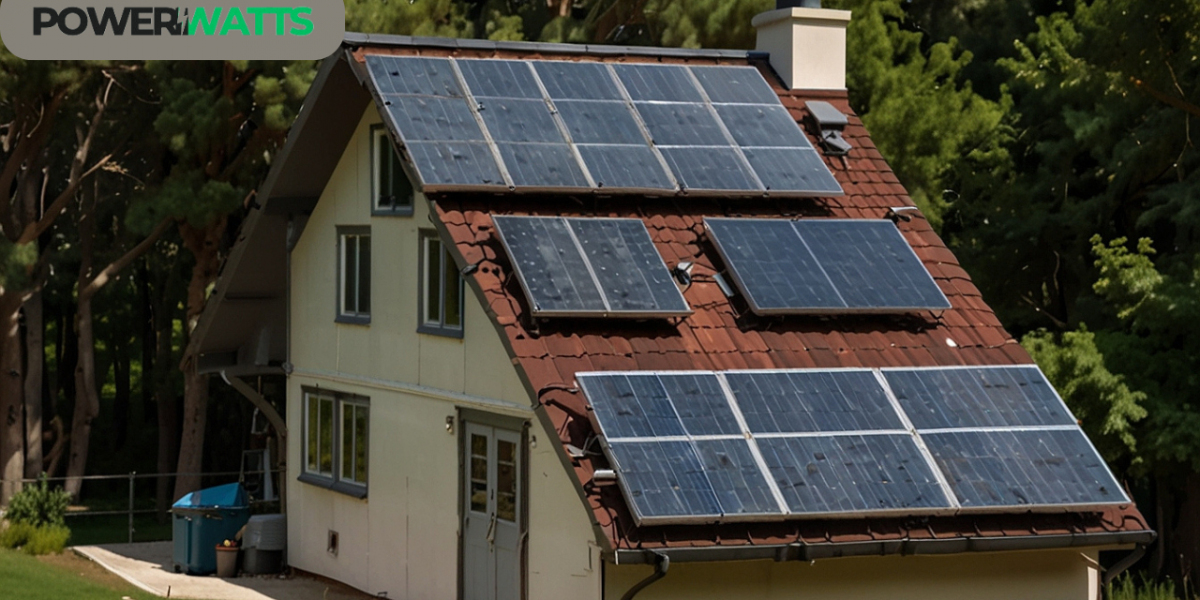
Switching to a 10 kW solar system is an excellent way to power a larger home or small business, potentially cutting utility costs and contributing to a sustainable future. A 10 kW solar system can generate enough electricity to offset significant portions of energy consumption, depending on location and sunlight exposure. However, understanding the cost factors and what influences the price of this system is key to making an informed investment. This guide outlines the primary costs and considerations involved in a 10 kW solar installation.
A 10 kW solar system consists of a set of solar panels capable of generating up to 10 kilowatts (kW) of electricity under ideal conditions. This amount of power is typically enough to support a larger household’s daily energy needs or supplement power for a small business. In terms of energy generation, a 10 kW system can produce about 30-40 kWh per day or 9,000-12,000 kWh annually in areas with good sunlight exposure.
The average cost of a 10 kW solar system in the United States typically ranges between $20,000 and $30,000 before incentives. However, the final price depends on a variety of factors, including equipment quality, labor, and location. After incentives, like the Federal Solar Investment Tax Credit (ITC) and state-level rebates, the net cost can be significantly reduced, bringing the final price closer to $14,800 - $22,200.
Several elements contribute to the total cost of a 10 kW solar system, including:
The efficiency and brand of solar panels impact both the initial price and long-term value of the system. High-efficiency panels, such as those produced by SunPower or LG, are often more expensive but generate more power per square foot, maximizing space and improving performance over time. Lower-cost panels may be less efficient, requiring more roof space to achieve the same output.
Inverters convert the direct current (DC) electricity generated by the panels into alternating current (AC), which is used by most household appliances. The cost of an inverter varies based on its type:
Adding a solar battery to your system increases the overall cost but provides the benefit of energy storage for nighttime or outages. Popular battery options, such as the Tesla Powerwall or LG Chem RESU, can add anywhere from $5,000 to $10,000 to the total cost, depending on the battery’s capacity and brand.
Labor costs can vary depending on the complexity of the installation, roof type, and geographic location. Installations in areas with a higher cost of living, such as California, tend to be more expensive. Flat roofs, steeply pitched roofs, or those made of complex materials may also incur additional labor fees.
Permits and inspections are necessary for connecting the solar system to the grid. Costs for these permits vary by city or county but typically range between $300 and $1,000. Some solar companies include permit fees in their quotes, while others do not, so be sure to clarify with your installer.
Federal Solar Investment Tax Credit (ITC) allows for a 26% deduction of solar installation costs on federal taxes. Additionally, various states offer their own solar incentives, such as rebates, credits, and property tax exemptions, which can help reduce upfront expenses. Some utility companies also provide net metering, allowing homeowners to sell excess electricity back to the grid, reducing long-term costs.
Although solar systems require minimal maintenance, occasional cleaning, inspection, or inverter replacement can add to the overall cost. It’s important to ask about warranties, as a long-term warranty can offset some maintenance expenses. Many solar providers offer warranties covering both equipment and performance for up to 25 years.
Installing a 10 kW system can yield substantial savings on electricity bills. If your household consumes around 900-1,200 kWh per month, a properly functioning 10 kW system can cover a significant portion of your energy needs, depending on sun exposure. Over 20-25 years, these savings can add up to $30,000 to $50,000 or more, depending on your local electricity rates.
The payback period for a 10 kW system typically falls between 6 to 10 years, depending on installation costs, energy consumption, and available incentives. After this period, your system will essentially generate “free” electricity, leading to a high ROI over the system’s 25-30 year lifespan.
A 10 kW solar system is ideal for:
A 10 kW solar system represents a significant investment but offers substantial savings and environmental benefits in the long run. By considering factors like equipment quality, installation costs, incentives, and battery storage, you can make a well-informed decision. With proper maintenance and care, a 10 kW system can power your home efficiently for decades, providing reliable energy savings and reducing your carbon footprint.

zanii khan
3 posts
-
 Elon Musk: 'Tương lai tiền sẽ không còn quan trọng'
CEO SpaceX Elon Musk, tỷ phú nghìn tỷ đầu tiên trên thế giới, tin rằng tiền bạc trong tương lai không còn quan trọng do tự động hóa.
-
 X accused of giving racists ‘impunity’ after refusing to bar N- and P-word posts
Site takes no action over hate posts against UK politicians including Kemi Badenock, Shabana Mahmood and Zia Yusuf
-
 Cách Việt Nam bảo hộ sản phẩm do AI tạo ra
Phó cục trưởng Sở hữu trí tuệ Trần Lê Hồng cho biết bản quyền sản phẩm do AI tạo ra hiện vẫn gây nhiều tranh cãi.
-
 Không xác nhận thuê bao do ở nước ngoài liệu có bị khóa SIM?
Tôi không thể truy cập VNeID để xác nhận tình trạng sử dụng thuê bao do đang ở nước ngoài, tôi phải làm sao để không bị khóa SIM?
-
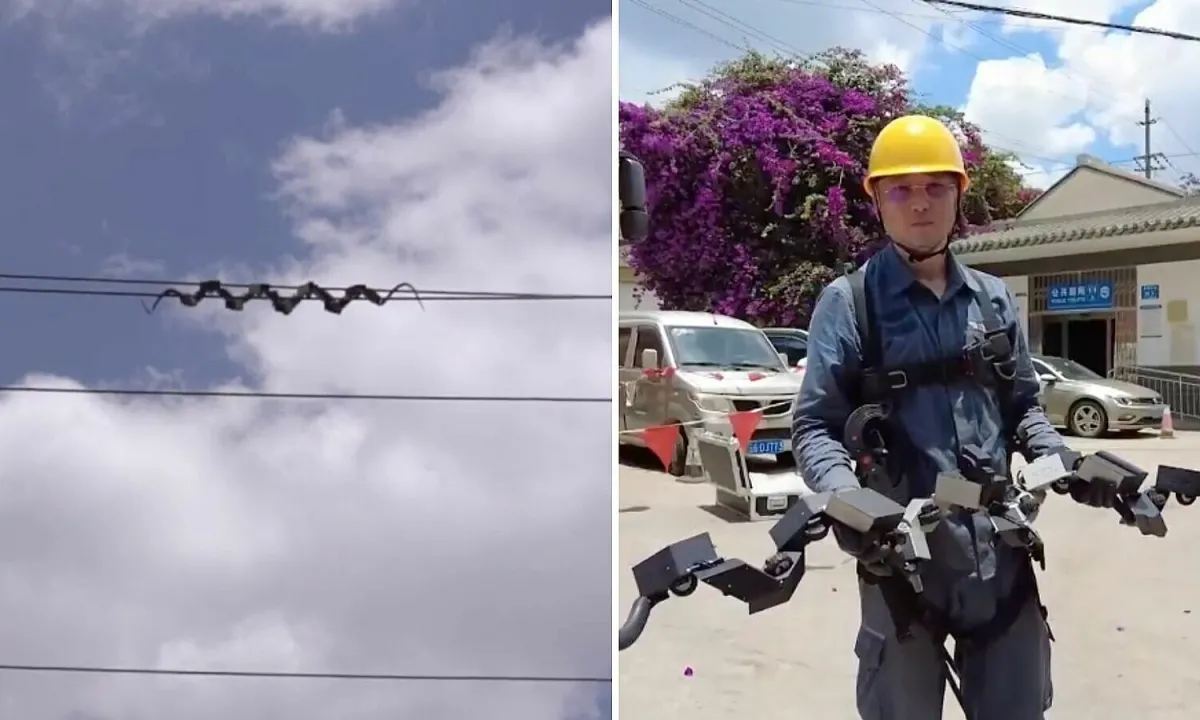 Robot rắn trườn trên dây điện để kiểm tra hư hỏng
Nhờ cơ thể nhiều khớp linh hoạt, robot rắn dễ dàng di chuyển trên dây điện, được đánh giá hiệu quả gấp ba lần kiểm tra thủ công.
-
 Cách Mỹ và Trung Quốc phát triển điện hạt nhân
Trong khi Mỹ ưu tiên phát triển lò phản ứng hạt nhân nhỏ linh hoạt, Trung Quốc lại tập trung phát triển những lò lớn cấp gigawatt để đáp ứng nhu cầu tiêu thụ điện.
-
 Bên trong điện thoại Trump T1 'giống HTC U24 Pro'
Kênh iFixit tháo rời điện thoại T1 của Trump Mobile và nhận thấy kết cấu giống mẫu di động tầm trung ra mắt năm 2024 của HTC.
-
 New claimants seek to sue Elon Musk’s xAI after Labour MP’s test case
Jess Asato’s lawyer says others want to take action over demeaning sexualised material created by Grok AI tool
-
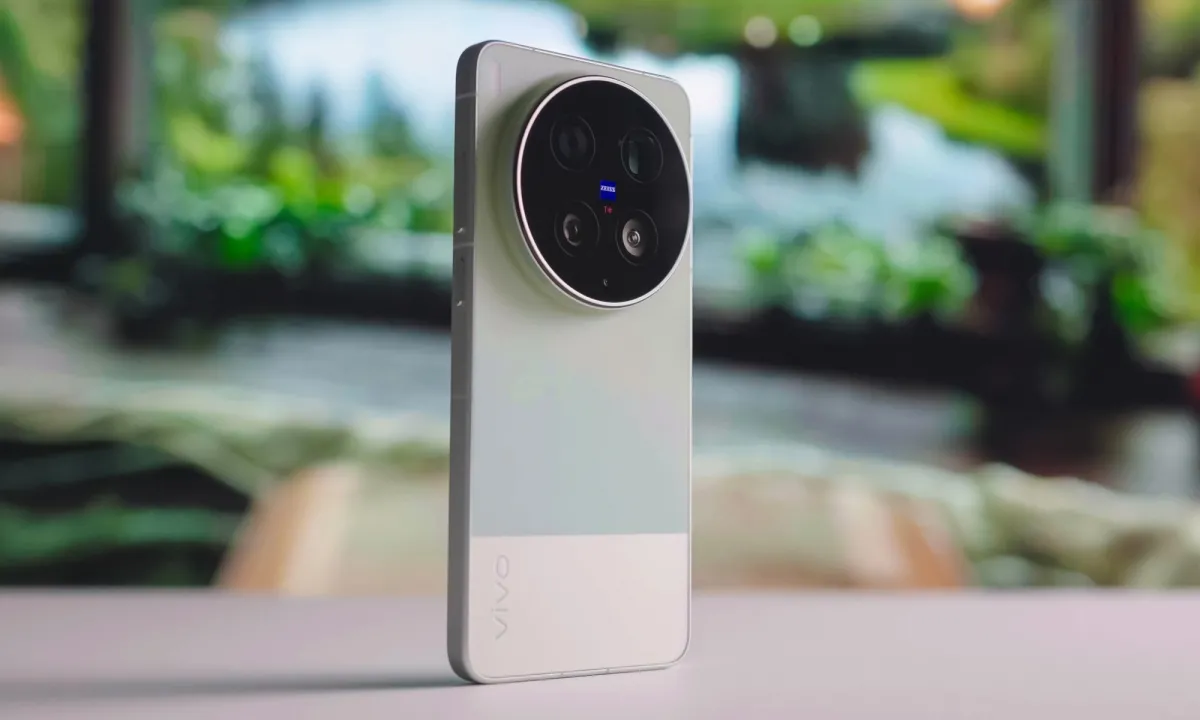 Đánh giá Vivo X300 Ultra: Smartphone cho người chơi ảnh
X300 Ultra chụp ảnh tốt, nhiều tính năng quay video chuyên nghiệp, cùng màn hình đẹp nhưng kén người dùng do tiêu cự camera 35 mm, giá cao.
-
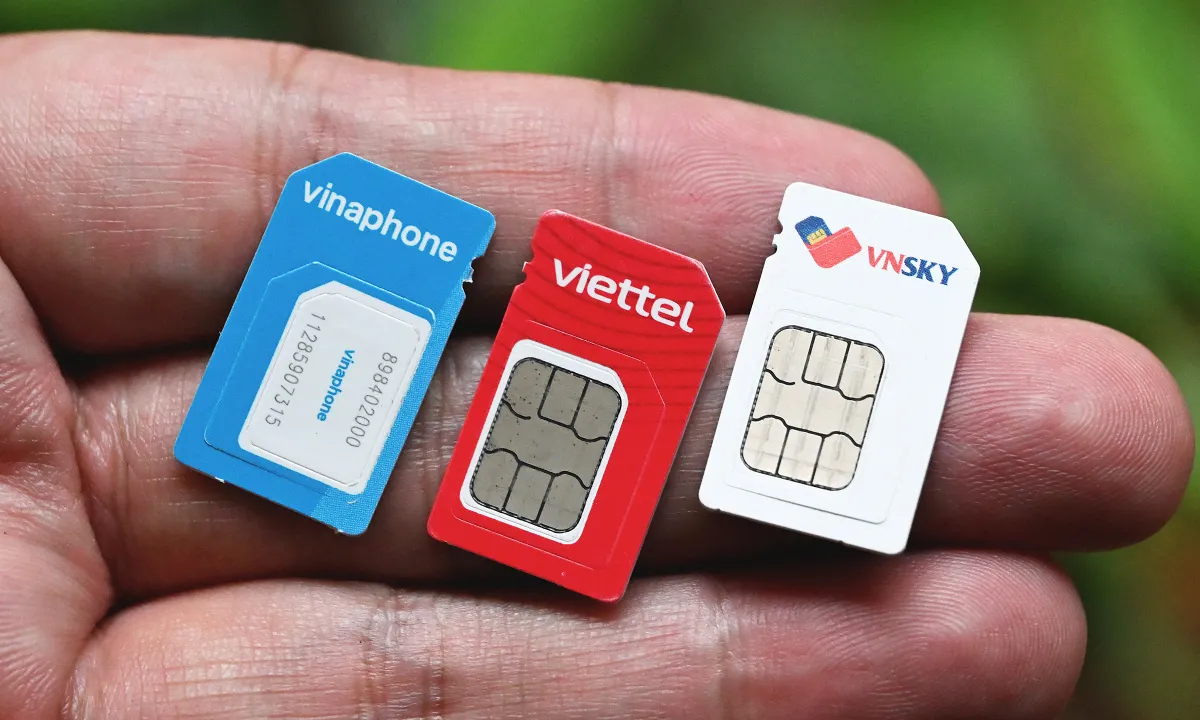 Vì sao đổi SIM sang điện thoại mới phải xác thực khuôn mặt?
Nhiều người dùng di động bày tỏ sự khó hiểu trước quy định phải xác thực sinh trắc học khuôn mặt khi đổi điện thoại, từ ngày 15/6.
-
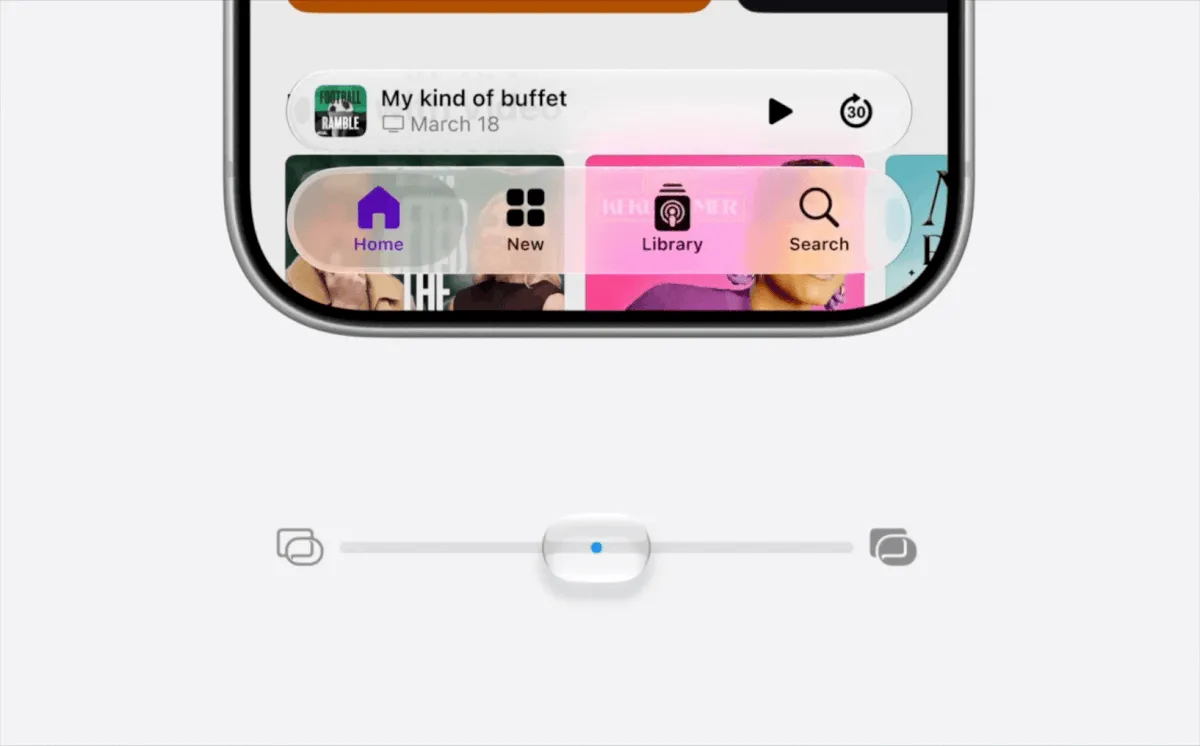 Loạt tính năng mới Apple không công bố tại WWDC 2026
Apple cập nhật hàng loạt tính năng cho iOS 27, iPadOS 27, macOS 27, watchOS 27 và visionOS 27, nhiều trong số chúng không được công bố.


