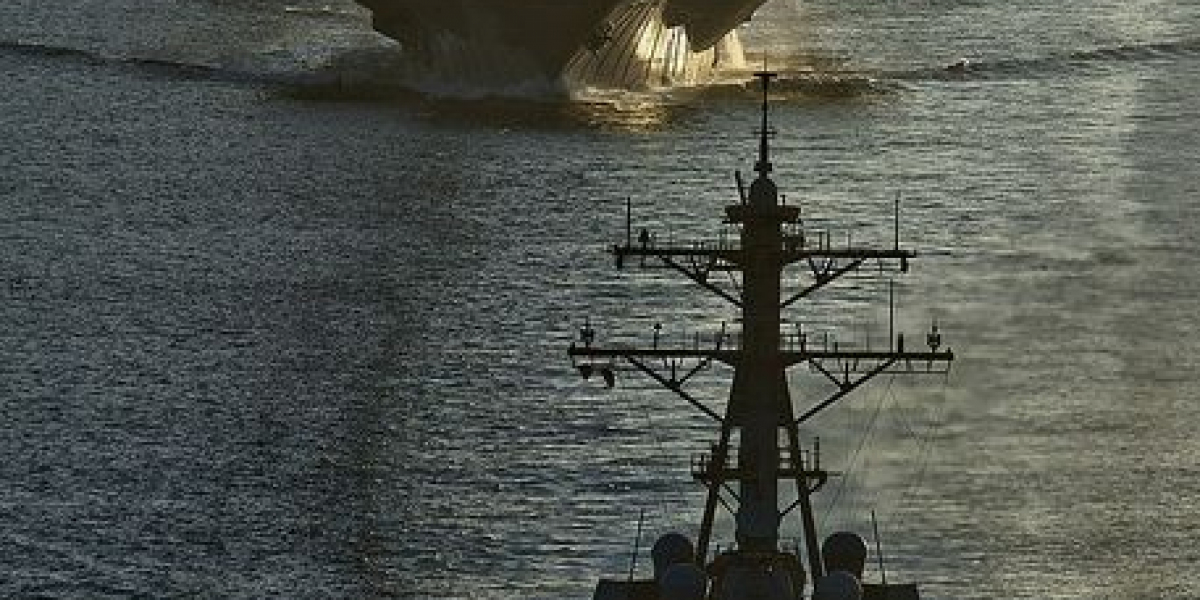
As the tides of global security shift, the year 2025 has brought forth a surge of crucial developments in the naval domain. From groundbreaking technologies to evolving geopolitical strategies, the modern navy stands at the forefront of innovation and resilience. These 10 Essential Navy Current Affairs for 2025 offer a snapshot into the changing maritime landscape, highlighting how naval forces are adapting to the challenges and opportunities of the 21st century.
1. Rise of AI and Autonomous Naval Systems
The integration of artificial intelligence in naval operations has reached new heights in 2025. From predictive maintenance to autonomous underwater vehicles (AUVs) and unmanned surface vessels (USVs), AI is revolutionizing warfare, logistics, and surveillance. Major navies like the US, China, and the UK are now investing heavily in AI-led navigation and threat detection systems, minimizing human error while maximizing efficiency.
2. South China Sea Tensions Escalate
The South China Sea remains a flashpoint for regional and global powers. Increased naval patrols by the US, India, and allied nations have intensified in response to China's aggressive island-building and maritime claims. Freedom of navigation operations (FONOPs) continue to challenge Chinese sovereignty claims, heightening the need for robust naval diplomacy and defense readiness in this contested region.
3. Green Naval Technologies Take the Helm
Environmental sustainability has become a naval priority. In 2025, several navies, including the Royal Navy and Indian Navy, have begun deploying hybrid-powered vessels and exploring biofuels. Eco-friendly warships and carbon-neutral bases are emerging as essential components of climate-resilient maritime strategies.
4. Arctic Naval Expansion
Melting ice caps have opened new Arctic navigation routes, leading to a rush of military and commercial interest. Countries like Russia, Canada, and the US have ramped up their Arctic naval presence. The race for resource control, strategic routes, and military positioning has made Arctic affairs a core part of navy current affairs 2025.
5. Strengthened Indo-Pacific Naval Alliances
The Indo-Pacific region continues to be a hotspot for security collaboration. The Quad (US, India, Japan, Australia) has solidified naval cooperation through joint exercises, intelligence sharing, and strategic maritime infrastructure investments. These alliances signal a unified front to maintain a free and open Indo-Pacific, balancing China’s growing naval assertiveness.
6. Cybersecurity as a Maritime Frontline
Cyber threats have surged in 2025, making cybersecurity a key naval priority. Several navies have reported attempted breaches in satellite communication systems, GPS manipulation, and data leaks. As digital warfare intensifies, navies are building cyber command units and deploying encrypted communication tools to secure naval assets from digital sabotage.
7. India’s Expanding Blue Water Navy
India’s naval expansion is one of the standout developments of 2025. With the commissioning of INS Vishal, its second indigenous aircraft carrier, India reaffirms its ambition to become a true blue-water navy. Enhanced submarine fleets, maritime surveillance drones, and deep-sea exploration units have further boosted India’s naval stature globally.
8. Global Naval Drills Reflect Strategic Shifts
Large-scale multinational naval exercises like RIMPAC 2025 and MILAN 2025 have become platforms for power projection and tactical alignment. These drills focus on interoperability, anti-submarine warfare, humanitarian missions, and sea lane protection. They reflect the growing importance of cooperative readiness amid rising geopolitical tensions.
9. China’s Third Aircraft Carrier Enters Service
China has commissioned its third aircraft carrier, the Fujian, in early 2025. Unlike its predecessors, the Fujian features advanced electromagnetic catapult systems and state-of-the-art command capabilities. This milestone cements China’s aim to achieve global naval influence and challenges Western naval supremacy in Asia-Pacific waters.
10. Naval Humanitarian Missions on the Rise
Natural disasters, refugee crises, and climate-induced emergencies have increased the frequency of naval humanitarian missions. In 2025, navies across the globe have participated in rescue operations, disaster relief, and medical evacuations. Humanitarian naval diplomacy is evolving as a soft power tool, enhancing a nation’s global image and strategic goodwill.
Final Thoughts
The 10 Essential Navy Current Affairs for 2025 reflect not only the dynamic changes within naval fleets but also the evolving role of maritime forces in geopolitics, sustainability, and technological advancement. As maritime boundaries blur and naval responsibilities grow, staying informed is key to understanding how the ocean's guardians are shaping the future.
Whether you're an analyst, enthusiast, or policy advisor, tracking these navy current affairs 2025 is vital for grasping the pulse of global defense.

Emma Sullivan
12 posts
-
 Косметика BILOU: Ніжність та Аромати Догляду за Шкірою
Магазин косметики EOS.KIEV.UA
-
 Moderns Adventure Gear: Navigating the Wilderness with Style and Substance
Moderns Adventure Gear emerges as a beacon in the realm of outdoor exploration, seamlessly blending style with substance to create a distinctive narrative in the world of wilderness navigation. In this exploration, we delve into how Moderns infuses each piece of gear with a touch of elegan
-
 Ring in the New Year with Stunning Lingerie Embrace Elegance and Confidence
The holidays are approaching, when we are looking for great gifts for ourselves and our loved ones. This is the time when we all want to look and feel special.
-
 Unveiling Timeless Elegance - The Essence of Seven Bags
Indulge in the epitome of style with Seven Bags – where timeless elegance meets unparalleled craftsmanship. Since 2012, this Ukrainian brand has redefined fashion, offering a unique blend of sophistication and individuality. From classic designs to bold statements, each bag is a masterpi
-
 Світ Вакуумних Стимуляторів: Відкриваємо Двері до Нових Насоло
Вакуумні стимулятори відкривають перед жінками не тільки двері до нового світу задоволення, але й допомагають їм відкривати власні бажання та фантазії. Ці ін
-
 Стимулятори в Інтимному Досвіді: Тенденції та Інновації
У світі інтимних стимуляторів, де кожен може знайти щось унікальне та стимулююче, тенденції надають нам можливість вдосконалювати наше інтимне життя та виби?
-
 Cyprus flowers
Cyprus is home to a wide variety of daisies.
-
 Funeral Card Messages
Parents are the dear loved ones in anyone's life, and missing one of them is pretty painful.


