‘You can never be safe’: Belfast’s Sudanese community hunkers down after grisly attack

By Rory Carroll in Belfast • June 10, 2026 • UK news
Fears grow about anti-immigration protests after asylum seeker charged with attempted murder in Northern Ireland
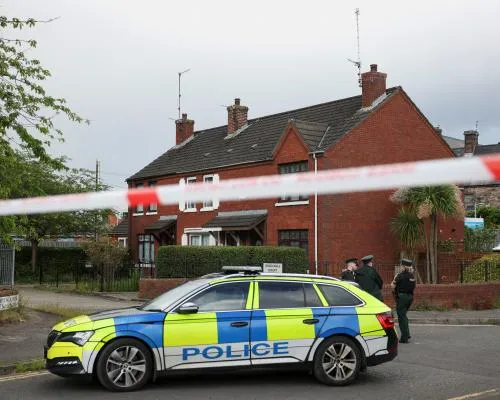
The Sudanese barber shop owner was at his cash register and smiling at the question, “Did he feel safe in Belfast?”, when two men strolling down the street paused at his open doorway and unleashed a sudden, shrieking howl. It ended as abruptly as it began and without saying a word the two men, white, in their 20s, wearing grey tracksuits, resumed their stroll. The barber shop staff, all from sub-Saharan Africa, said nothing and the shop owner continued smiling. “Safe?” The question struck him as ridiculous. “You can never be safe. I can at least close early.” It was Tuesday afternoon and fears were growing that dozens of anti-immigrant protests could break-out across Northern Ireland after a Sudanese asylum seeker was arrested on suspicion of attempted murder. The man, aged 30, was later charged with attempted murder and will appear in court on Wednesday. Footage of the attack, which took place on Monday night, was shared on social media and became a rallying call for Tommy Robinson, Elon Musk and other far-right agitators. By 4pm on Tuesday all the foreign-owned stores on Sandy Row, in central Belfast, had pulled down steel shutters and staff sped home to hunker down for the night, a scene repeated across other parts of Belfast. The protests were due to start at 7pm and from previous experience the store owners and their workers knew the situation could combust. “We’ve been sharing the same messages all day: go home early, stay inside, don’t go out,” said Mohammed Mahmoud, 39, a Sudanese employee of a grocery store. “No one knows what will happen.” His phone had started buzzing with alerts from friends from 2am on Tuesday as the grisly video spread on social media, and with it vows from commentators to take action against immigrants. Mahmoud said his five years in Northern Ireland had taught him wariness. “Some people are angry all the time. But not everyone is angry, some people are very nice.” Ali Adan 38, another shopkeeper from Sudan who has lived in the region for 18 years, said race relations had worsened since 2018, with racial tensions in England blowing into Northern Ireland and vice versa. “Something happens and people point the finger at every immigrant.” The hub of ethnic minority stores around Sandy Row, traditionally a loyalist area, experienced several days of rioting in August 2024 when mobs smashed, burned and looted in the wake of the Southport killings. Some targeted a specific store owner, shouting: “Where is Mohammed?” Subsequently, vigilante groups began “patrols” that challenged dark-skinned males to produce identity documents and explanations for their presence in Belfast. Police told business owners on Tuesday that the next 24 hours were crucial in determining whether people would heed the calls from Keir Starmer and other mainstream politicians to remain calm and let the police investigation take its course, or fill the streets and take possible vigilante action. The barber shop owner, who declined to give his name, appeared phlegmatic. “Who knows what will happen? If tonight goes OK, I might open in the morning. If it does not go OK, I won’t.” The Belfast Islamic Centre cancelled evening prayers and urged its congregation to remain calm, stay home, ignore rumours and to listen to official advice. “This is a big challenge. We’re thinking about safety but we don’t want to raise panic in the community,” said Ameer Ibrahim, the centre’s project manager, who spoke in a personal capacity. “It’s a time for calm. We want to hope for the best.” After a four-year hiatus the Sudanese Community Association Northern Ireland met last Saturday and elected a new executive committee, which now faces a potential baptism of fire. “We are against violence from any group,” a representative said in a phone interview. “We want peace. We are part of the community in Northern Ireland.”
Source: The Guardian
Uk News Feed
39 posts
-
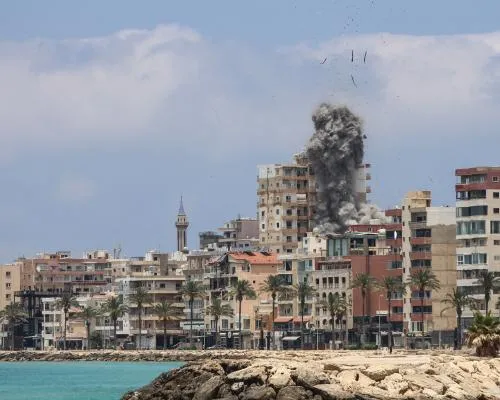 Israeli attack on Tyre in Lebanon kills eight as evacuation ordered for Christian quarter
People flee historic district of ancient city after airstrikes hit residential areas and damage archaeological sites
-
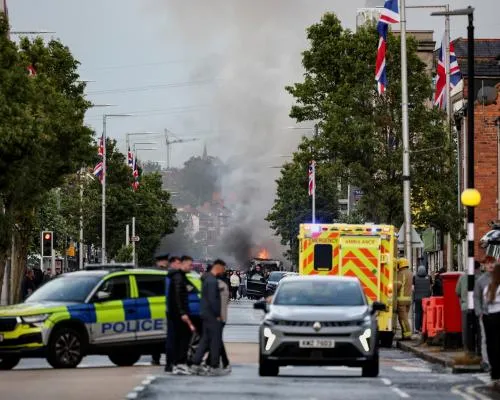 ‘There’s wee girls inside’: panic as masked men storm house in Belfast
Protests across the city turned violent on Tuesday night – with some police officers appearing to conclude it wasn’t safe to intervene
-
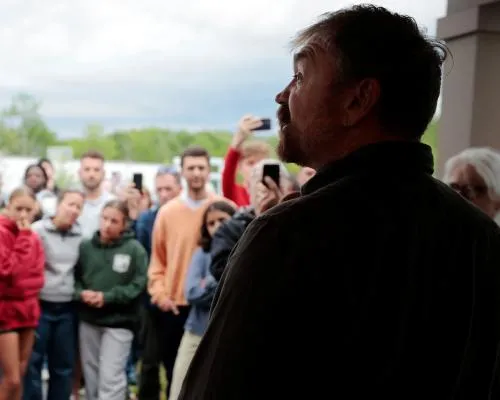 US primaries 2026 live: Graham Platner vies to overcome scandals in Maine as four states hold elections
Polls open in Maine, North Dakota, Nevada, and South Carolina; voters appear to stand by Democratic challenger Graham Platner despite string of controversies
-
 Our efforts to record Tiananmen atrocity
Brief letters: Tiananmen Square protests | Switching from X | So to Speke | JD Vance | Binary understanding
-
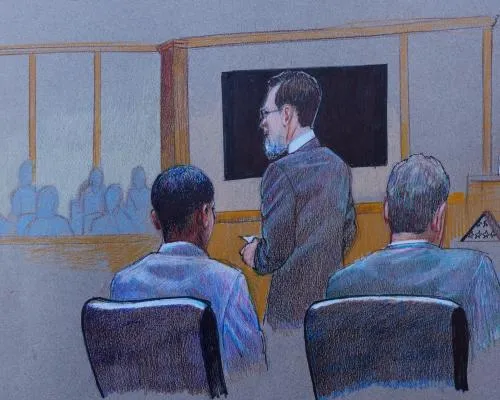 Karmelo Anthony, 19, found guilty of murder of Austin Metcalf in one-week trial
Texas trial drew national attention due to race, as Karmelo Anthony is Black and Austin Metcalf was white
-
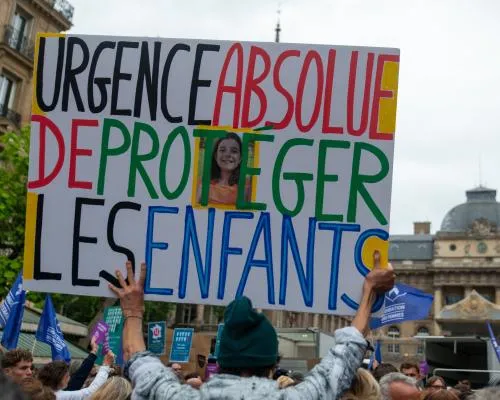 Lyhanna: lawyer for murdered French girl’s family calls for more justice system funding
Political row emerges over state’s failure to tackle sexual violence against children as people protest across France
-
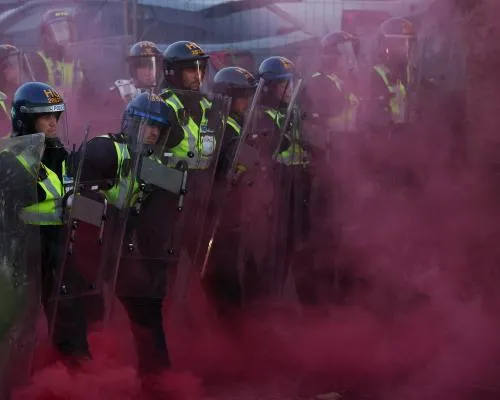 Two men jailed for violence at protest over police treatment of Henry Nowak
Leon O’Leary threw a smoke grenade and Connor Bishop a traffic cone at officers during disturbance in Southampton
-
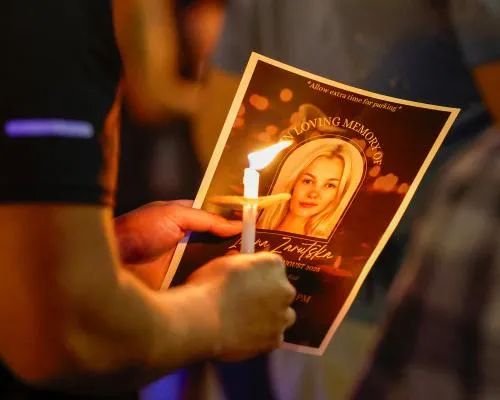 US judge finds man accused of killing woman on Charlotte train incompetent to stand trial
Decarlos Brown Jr to stay in custody while receiving treatment for remainder of case over Iryna Zarutska’s death
-
 Ông Trump: Iran bắn rơi trực thăng Apache, Mỹ phải đáp trả
Tổng thống Trump cho biết chiếc trực thăng Apache AH-64 rơi gần Hormuz do hỏa lực của Iran, do đó quân đội Mỹ cần phải đáp trả.
-
 Passenger on train to London given first sentence for harassment under new law
David Stroud grabbed a woman’s hair and asked if he could kiss her two days after legislation took effect


