By Julia Kollewe • June 9, 2026 • Business
Bosses of M&S, Sainsbury’s and Tesco among those writing to Starmer that the ‘ladder of opportunity’ is wobbling
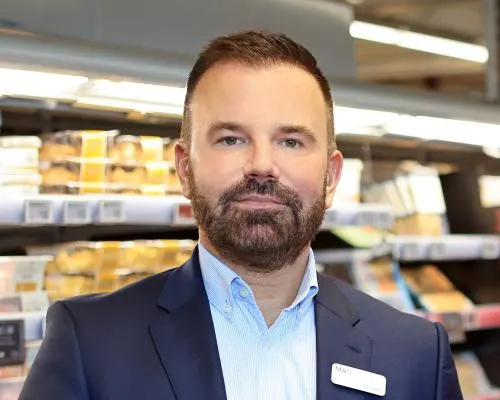
Some of the UK’s biggest retailers are planning to write to the prime minister urging him to tackle the youth unemployment crisis, with signatories expected to include the bosses of Marks & Spencer, Sainsbury’s and Tesco. Lobby group the British Retail Consortium said it had drafted a letter to Keir Starmer calling for action, and is circulating it among its 200 members, which include all the main UK retailers (with the exception of Games Workshop) as well as smaller shops. The letter is expected to be published on Wednesday. It will warn that the “ladder of opportunity for young people is wobbling”, and call for a joint retail and government taskforce, according to Sky News, which first reported the letter. It is expected to receive backing from the chief executives of M&S and Primark as well as the supermarket chains Asda, Sainsbury’s, Morrisons and Tesco. Last month the government was warned that Britain is at risk of a “lost generation”, as the number of young people not working or studying passed a million for the first time in more than a decade. In the first part of a government-commissioned review, the former Labour cabinet minister Alan Milburn set out a damning picture, saying a “record of failure” was letting down young people. He wrote: “We are at risk of a lost generation. That is a moral crisis. It has economic consequences.” Youth unemployment is costing Britain more than £125bn a year, according to the report. The BRC said in its draft letter to Starmer that a taskforce would help “to simplify and enhance regional and national support for youth employment”, according to Sky News. The lobby group will also urge the Labour government to reduce costs associated with employing young people “to help our businesses create more opportunities”. The draft calls on Starmer to “ensure employment and skills reforms support, rather than discourage, entry-level recruitment and progression”. The BRC will argue that “many of us started on the shop floor” and “retail has always been where any young person can start with few qualifications, limited experience and build a lasting career either in the industry or outside with the skills they obtain”. This week, M&S launched a training scheme for young people at the start of their careers, in an effort to tackle the “growing youth unemployment challenge”. Aimed at 16- to 24-year-olds, it will create 1,000 training places in the UK and Ireland over the next 18 months. The retailer said it wanted to help more young people build skills and confidence through retail, with no degree requirement. The six-month scheme will get them on the first rung of the ladder, with the opportunity to rise to store manager. Stuart Machin, chief executive of M&S, began his career pushing trolleys at 16. He argued in a recent blog post commissioned by Milburn that “today we’re losing out on limitless potential, and letting down a generation of kids just like me”. Following Milburn’s report, the government announced that it would create 300,000 new work experience and training placements over the next three years in sectors such as construction, health and social care, and hospitality. The scheme, part of a £2.5bn youth employment support package, is backed by big employers including Manchester and Gatwick airports and JD Sports. Measures include hiring bonuses for employers and subsidised jobs for those who are out of work for longer. Last month Simon Wolfson, chief executive of Next, spoke about a “dramatic fall” in the number of entry-level jobs in the UK, saying the retailer now receives twice as many applicants for each shop role it seeks to fill than two years ago. “Youth unemployment is really a symptom of wider problems with employment in the economy and, of course, if you’ve got fewer jobs, the people who suffer most are the people with the least experience and that is the youngest,” he said.
Source: The Guardian

Business Daily
45 posts